DOSSIER 080 / DOCUMENTED OPERATIONS
Behind the Mirror: The CIA’s Secret LSD Rooms
The visitor saw an apartment. The observer saw an experiment.
The 1963 inspection and 1977 testimony establish unwitting testing and safe-house operations. They do not establish reliable universal mind control or every later allegation.
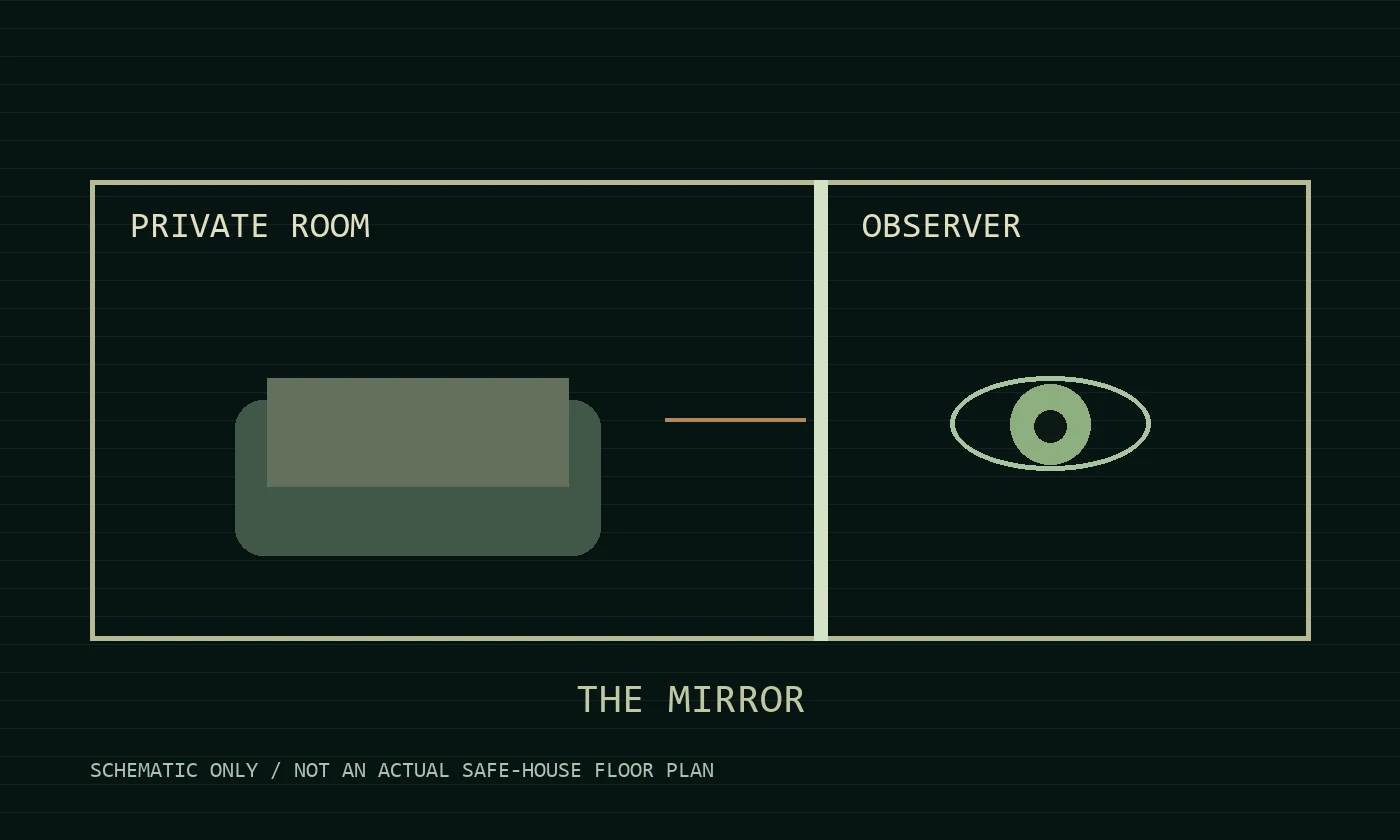
A visitor could know that he had entered a private apartment and still have no idea what the apartment was for. In the CIA’s safe-house experiments, that ignorance was part of the arrangement. The secret was not just a drug in a drink. It was the person watching from the other side of the glass.
01 / An apartment with a second audience
Historical reporting describes Operation Midnight Climax as a CIA-linked safe-house operation involving narcotics officer George Hunter White. Women recruited men to apartments where they could be dosed without informed consent and observed. The setting exploited privacy and vulnerability. Someone expecting one kind of encounter became material for another.
The familiar details—sex, LSD and observation through a mirror—make the operation easy to turn into pulp entertainment. They should instead sharpen the question of consent. The subject did not agree to participate in this experiment. A clandestine observer’s curiosity was not permission. Nor does the lurid setting tell us what every visitor experienced; the record cannot supply a complete scene for each person.
02 / What the internal report admitted
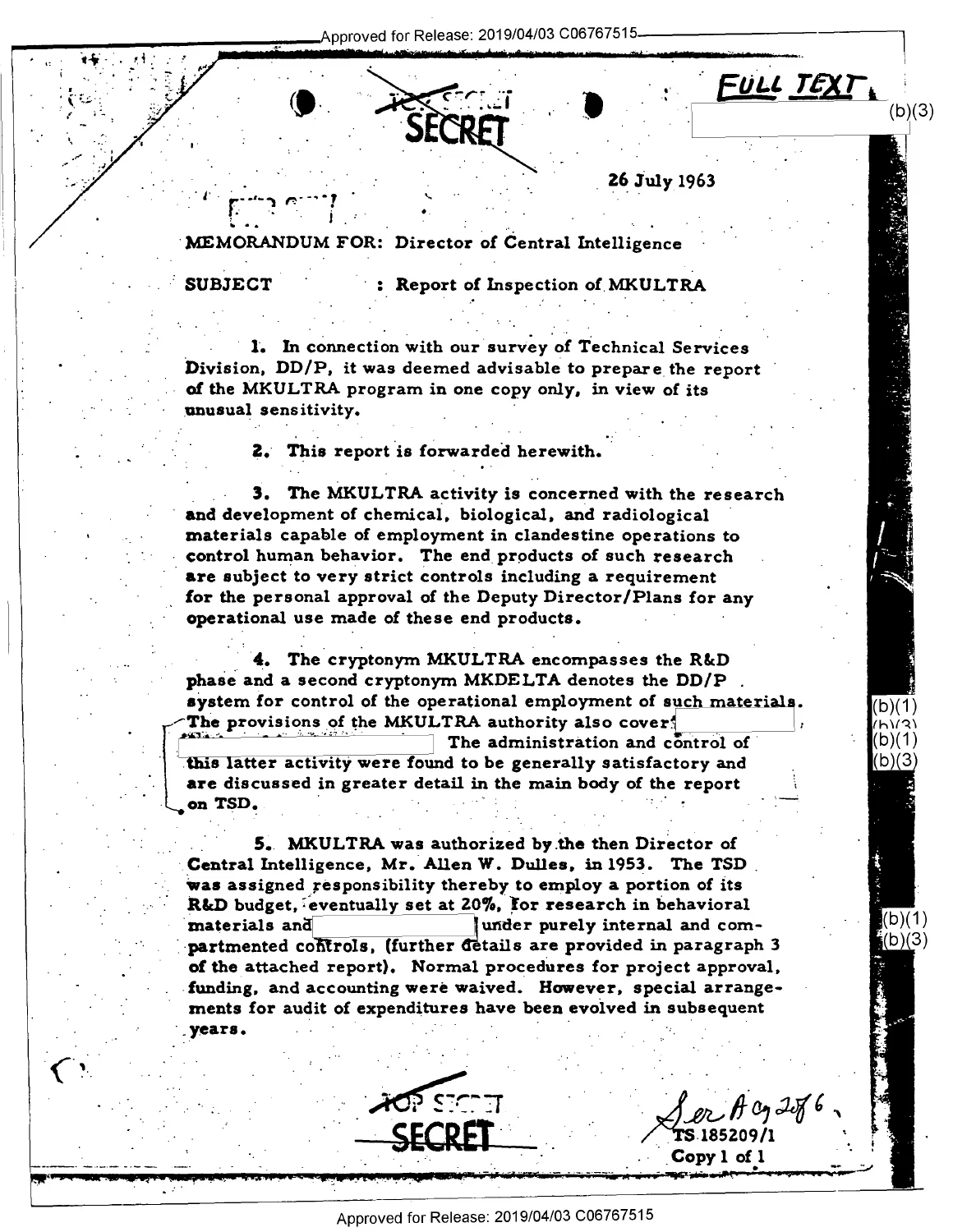
The CIA inspector general’s report of 26 July 1963 described covert testing on unwitting American citizens beginning in 1955. It distinguished laboratory research from tests in ordinary-life settings, where officials wanted to learn how substances behaved under conditions closer to an operation. That is a primary internal acknowledgment of the practice, not a rumor passed around after the program ended.
The report is revealing about institutional priorities. It discusses weak records, uncertain reactions and the danger of exposure. Its recommendation to terminate this phase weighed possible benefits against the risk of compromise and damage to the agency. Read that language closely: an organization can recognize that an activity is dangerous while framing the central danger as discovery.
The surviving inspection also leaves a boundary around what can be concluded. Unpredictable reactions and poor documentation do not establish a perfected technique for controlling anyone at will. Abuse can be documented even when the claimed capability was unreliable. The two questions should never be made dependent on one another.
03 / The hearing where the safe houses became public business
At the August 1977 Senate hearing, Senator Richard Schweiker pressed CIA Director Stansfield Turner about unwitting tests associated with bars and safe houses. Turner acknowledged the safe-house operations and the limits of newly recovered documentation. Counsel corrected the implication that dosing had necessarily occurred in the bars themselves: contacts might begin there before people were invited elsewhere.
That correction is useful rather than exculpatory. It shows how a public inquiry can establish the core abuse while resisting an unsupported detail. Turner said the recovered records substantiated unwitting testing in six of 149 cases under discussion, including safe-house activity; that figure was a documentation classification, not a census of all victims.
Turner’s September follow-up described forwarding information about people associated with the New York and San Francisco safe houses. This is evidence of a continuing investigation into a real operation. It does not resolve every name, every exposure or every consequence.
04 / The witnesses we can hear—and those we cannot
The surviving story is disproportionately told by officials, investigators and historians. That imbalance matters. Officials can describe what was authorized or later found in records. A historian can reconstruct arrangements. Neither voice substitutes for the full account of a person who entered an apartment, was unknowingly drugged and lived with the consequences.
John Marks’s investigative history brought documents and retrospective interviews together, while stating openly that destruction and refusal to speak prevented a complete reconstruction. This file cannot offer a securely identified, independently corroborated victim narrative for each safe-house episode. It does not fill that absence with a fictional composite, imagined dialogue or an invented night on the waterfront.
Missing testimony is an injury to historical understanding. It is also a constraint. An absence can justify further archival work without authorizing the writer to make the absent person speak.
05 / Where the documented operation ends
The hidden safe-house testing is documented. Broader modern stories sometimes use it as a template for claims about celebrity programming, current blackmail systems or entire populations under chemical control. Resemblance is not continuity. To connect a later operation to this one would require its own personnel, records, methods and corroboration.
The National Security Archive’s June 2026 critique makes the larger point: authentic historical records can be stripped of context and repurposed to support claims they never establish. That warning comes from archivists concerned with exposing real secrets. It is possible to demand accountability from the CIA and demand evidence from people accusing it.
The detractor’s strongest argument should therefore be aimed at the extension of the claim, not at the existence of the safe houses. Calling the whole subject a conspiracy theory erases an admitted history. Calling every later suspicion proven by that history erases the need to investigate.
06 / An old operation, an unfinished accountability problem
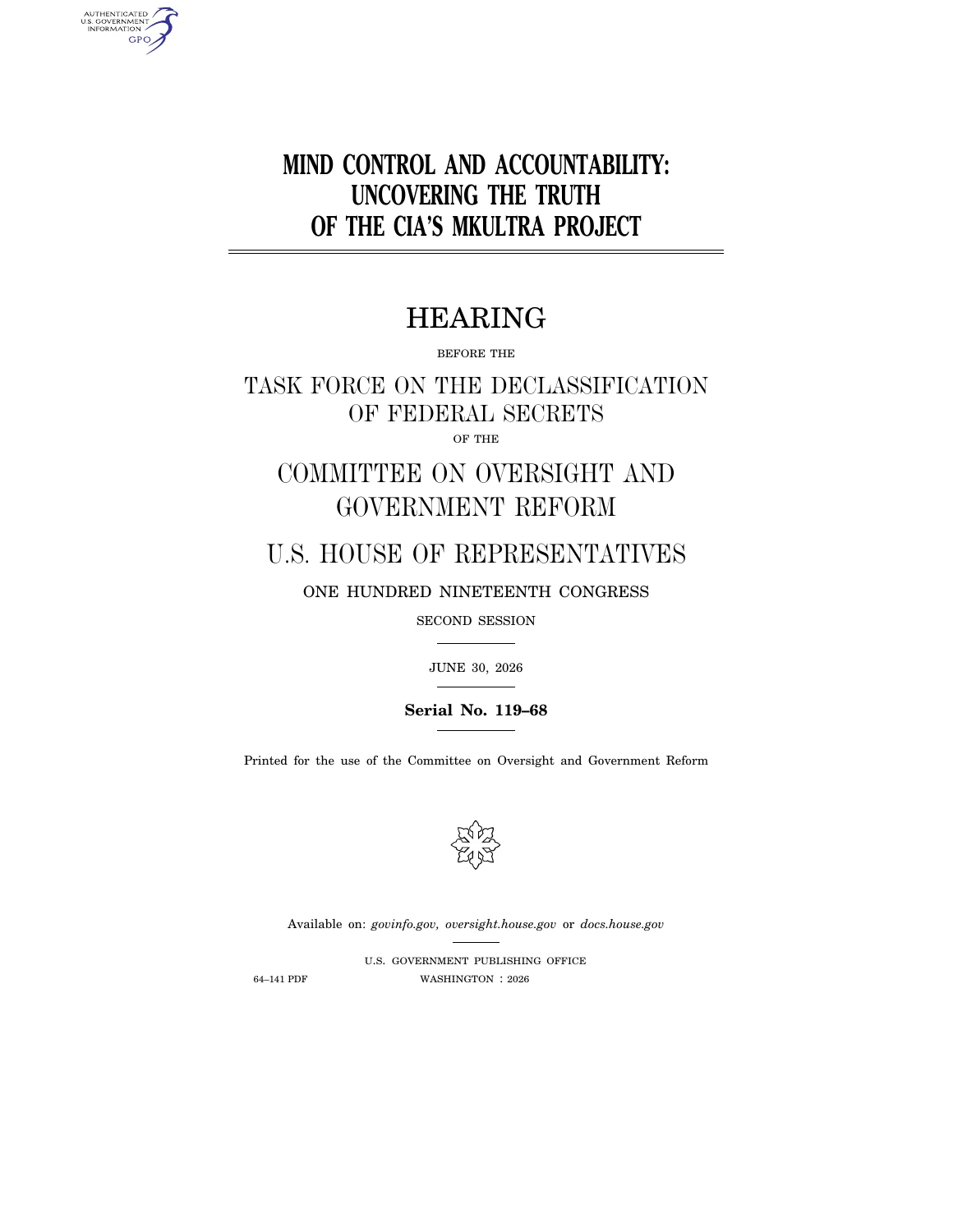
The 2026 congressional hearing returned MKULTRA to public debate. Its witnesses argued over what survived, what had been withheld and how earlier explanations should be reassessed. The hearing records those arguments; it does not retroactively provide a complete inventory of Midnight Climax victims or prove every claim made under the wider MKULTRA name.
The 2024 National Security Archive collection offers a better next step than a dramatic montage: examine the records, their dates, their authors and their gaps. Ask who approved the testing, who monitored harm and what information was kept from oversight. A page can be frightening without supplying an answer to every question.
Reviewed 6 October 2026, this file’s assessment is Documented for covert safe-house drug testing without informed consent. The operation deserves that certainty. Claims of universal mind control or an unbroken modern network do not inherit it. The mirror was real. What people now see reflected in it still has to be proved.
QUESTIONS LEFT ON THE DESK
The questions readers bring.
FAQ & search review: 2026-10-06 · Source links identify the record behind each answer. This date does not certify a new investigation of every chapter.
Was Operation Midnight Climax real?
CIA-linked safe-house testing on unwitting subjects is documented in official inspections and congressional testimony. The assessment applies to that operation.
Do the records prove successful mind control?
They establish covert testing and serious abuse. The inspection describes unpredictable responses; that is different from demonstrating reliable control of anyone’s behavior.
Why are there so few victim stories in this file?
The reviewed sources do not supply a complete, securely identifiable set of firsthand victim accounts. Destroyed records and the secrecy of the testing limit reconstruction.
Compare the records: MKULTRA · Did the CIA Turn America On—and Tune Its Rebels Out? · The DMT Expedition: Another World—or a Brain That Won’t Let Go?.
The allegation, in brief
CIA-linked safe houses were used for covert drug tests on people without informed consent.
Where the archive stands
The 1963 inspection and 1977 testimony establish unwitting testing and safe-house operations. They do not establish reliable universal mind control or every later allegation.
Read the accounts. Keep the evidence attached to its claim.
ARCHIVIST’S NOTE / EXPANDED RESEARCH: 06 OCT 2026
THE SHELF BEHIND THE FILE
For further reading
Take the longer trail. These are the books we would keep beside this file.
As an Amazon Associate I earn from qualifying purchases. Purchases through these links may earn this archive a commission.
- THE WATCHER’S
FAVORITE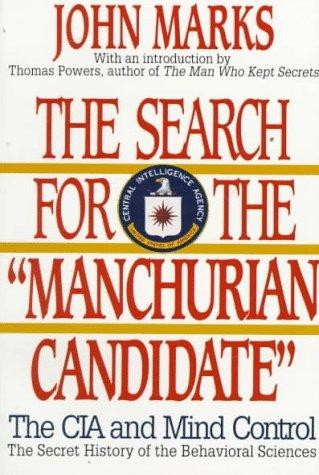 01 / Investigative history
The Search for the “Manchurian Candidate”
Documents and interviews behind the CIA’s mind-control experiments.
View book on AmazonBook & source detailsWhy this pick?
Selected for its direct documentary investigation of the CIA experiments.
The stamp is an editorial recommendation informed by published reviews, source quality, and relevance. It is not a claim about the highest Amazon customer rating. Selection source.
A place on this shelf is not a verdict on every claim inside. Selection checked 6 October 2026. Cover artwork belongs to its respective rights holders; cover sources & editions. Links open a specific edition. Cover artwork may show a different edition; check the format, availability, and price on Amazon before buying.
A QUESTION LEFT IN THE MARGIN / EDITORIAL PROMPT
Bring one source.
The covert testing is documented. Which unanswered question matters most for accountability: who approved it, who was harmed, or what records were destroyed?
A useful first note: the source, what it establishes, and what it leaves open.
FOLLOW ANOTHER THREAD
Follow this thread.
Follow the separate claim, its accounts and the evidence that can test it.
 DocumentedDOSSIER 047
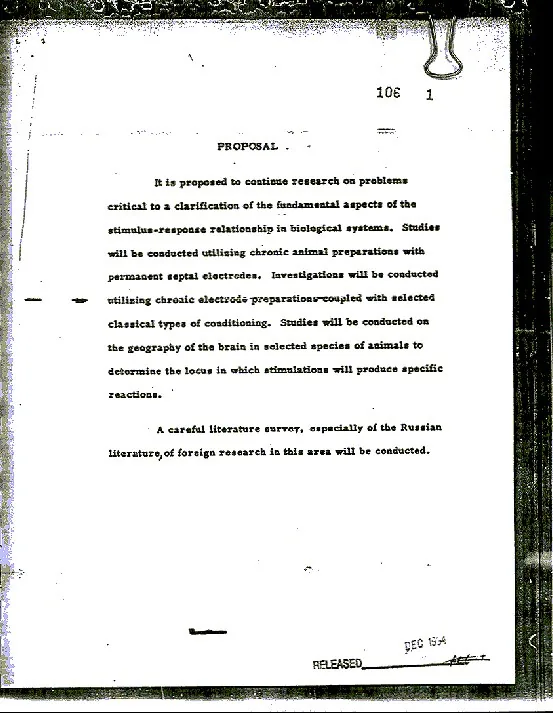
MKULTRA
The mind-control program was real.
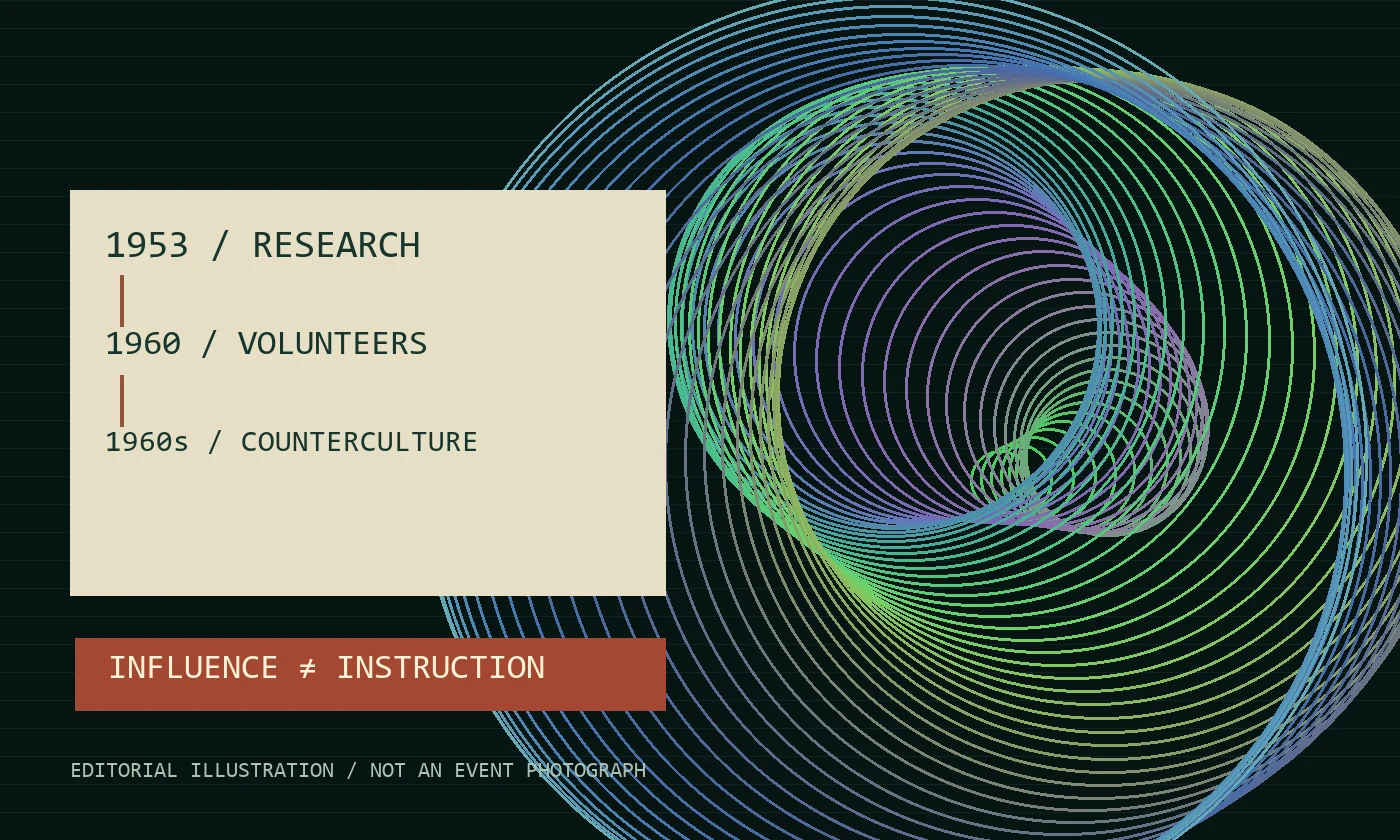 CIA EXPERIMENTS REAL / CULTURAL CONTROL UNPROVENDOSSIER 078 / FICTIONAL ART
Did the CIA Turn America On—and Tune Its Rebels Out?
The money entered the laboratory. The story escaped onto the road.
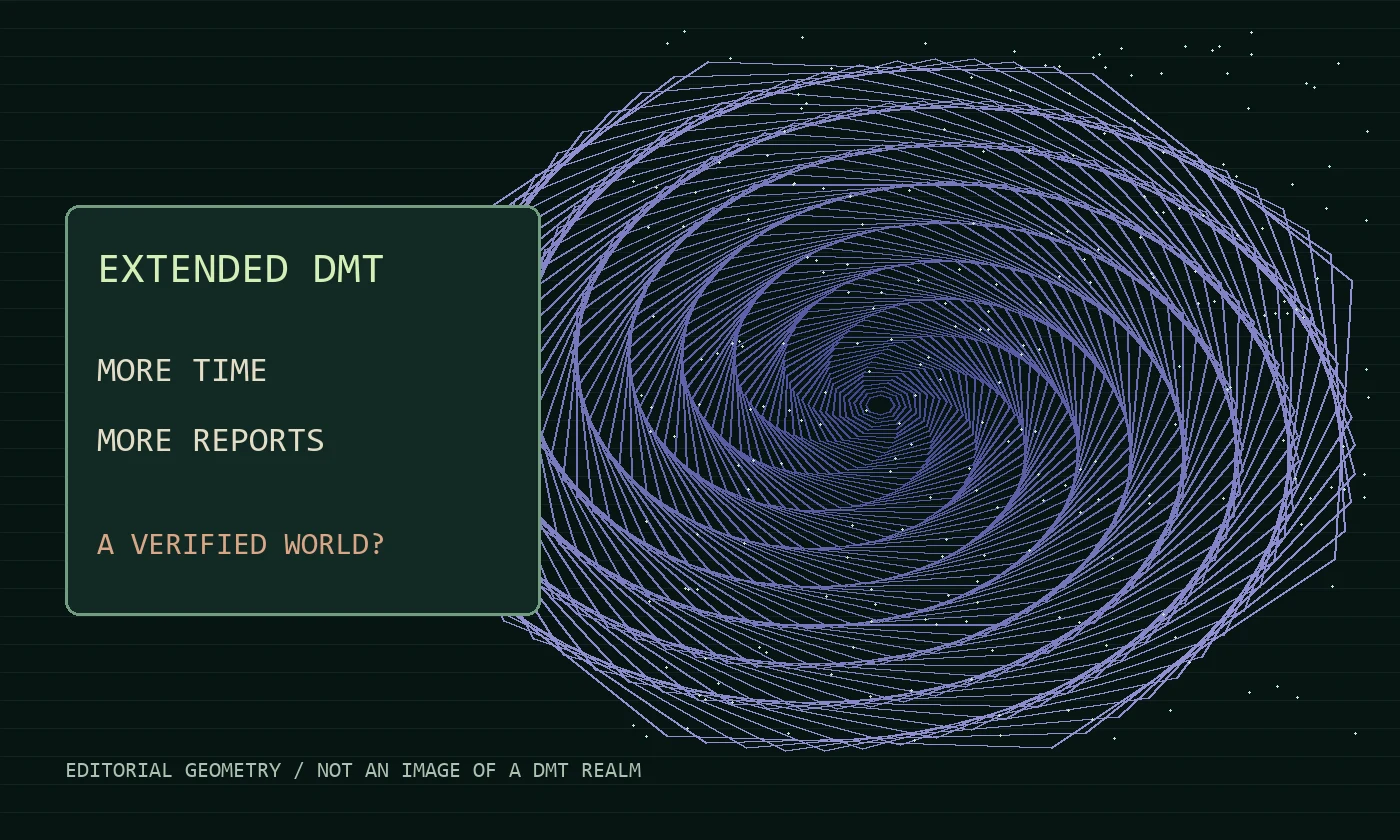 EXTENDED STATES MEASURED / EXTERNAL WORLD UNPROVENDOSSIER 079 / FICTIONAL ART
The DMT Expedition: Another World—or a Brain That Won’t Let Go?
The experiment changes the clock. The destination remains disputed.