DOSSIER 078 / CULTURE & BELIEF
Did the CIA Turn America On—and Tune Its Rebels Out?
The money entered the laboratory. The story escaped onto the road.
CIA drug research and intersections with cultural networks are documented. A coordinated plan to manufacture the counterculture is not established in the reviewed sources.
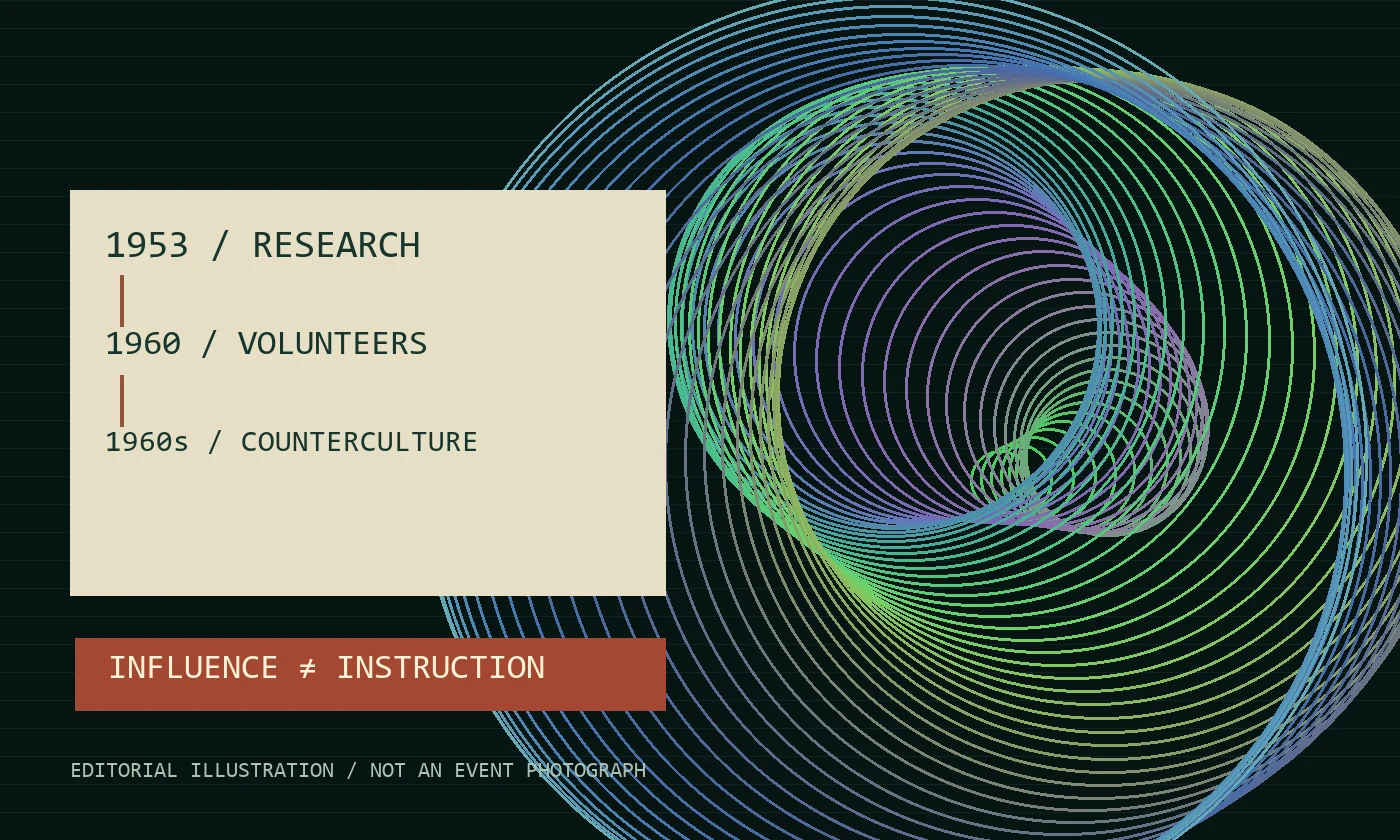
In 1960, Ken Kesey volunteered for drug experiments at a Veterans Administration hospital in California. A few years later, the novelist and his Merry Pranksters were helping turn LSD into a public spectacle. Put those two scenes beside each other and a question appears: did a secret service lose control of its experiment—or get exactly the culture it wanted?
01 / The hospital door and the road beyond it
The starting point is smaller than the legend. John Marks’s 1979 investigation describes Kesey trying psychedelics as a student volunteer under psychiatrist Leo Hollister. Marks follows the connection into Kesey’s hospital work and subsequent life as an LSD advocate. He also records Allen Ginsberg’s retrospective account of a research-room experience: instruments, unease and a feeling of being wired into something oppressive. These accounts belong to named people remembering particular encounters. They are not testimony that either man received instructions to create a movement.
Marks reaches an awkward conclusion for both camps. Intelligence-funded research helped open doors through which LSD entered wider intellectual and cultural networks; he argues that its countercultural consequences were unintended. Influence and control are different claims. A hospital volunteer can carry an experience into another life without carrying a handler’s orders. The archive should keep that distinction in view before the bus leaves the frame.
02 / What the agency was actually purchasing
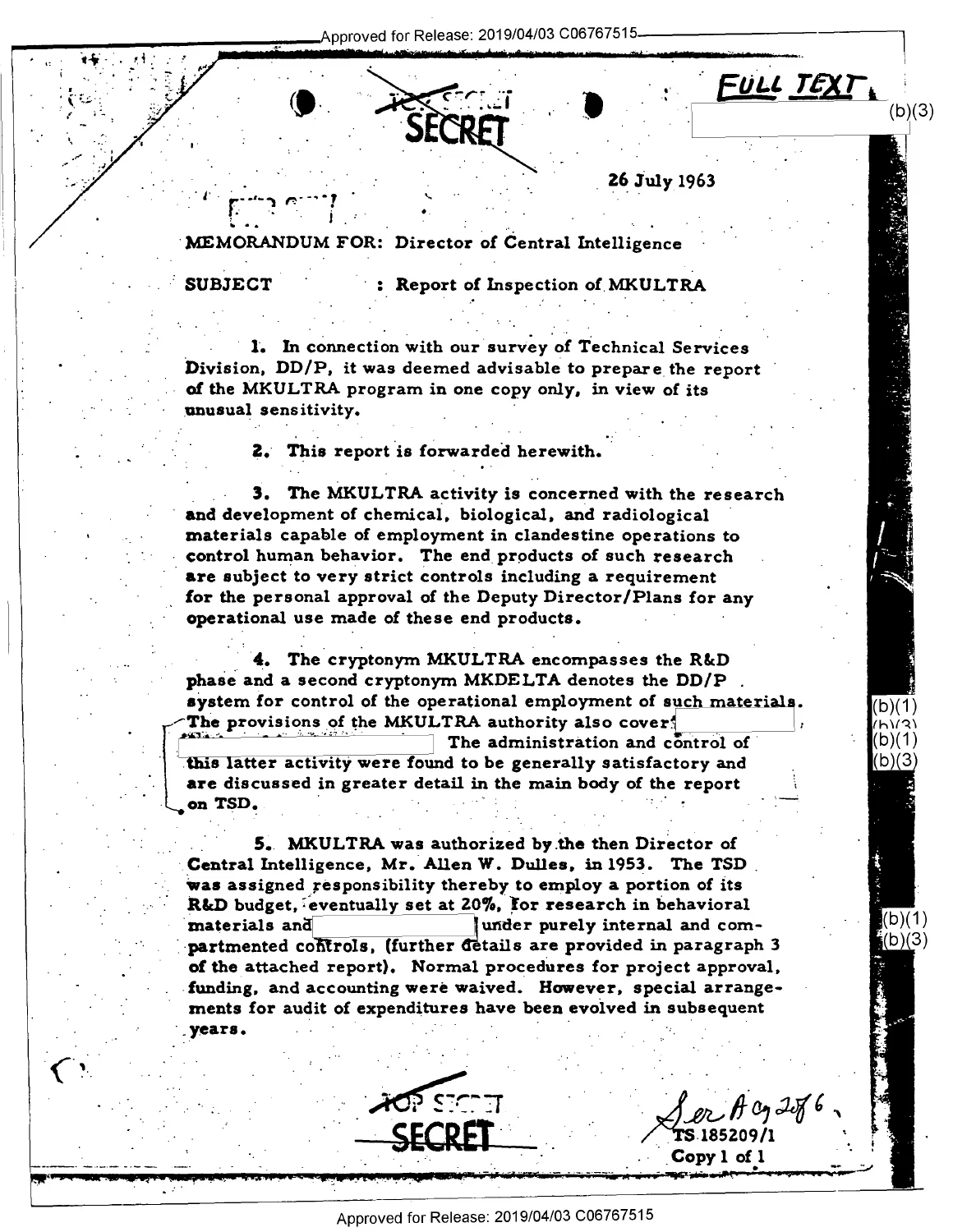
MKULTRA was authorized in 1953. The surviving record concerns attempts to manipulate behavior, investigate substances and develop capabilities for clandestine work. The 1963 inspector general described a program with weak documentation and concentrated knowledge. Its interests extended beyond one drug or one technique. This was a research bureaucracy equipped with secrecy, money and permission to cross boundaries that ordinary investigators were supposed to respect.
The documentary question is not whether the CIA was interested in LSD. That is settled. The question is whether a particular payment, researcher or experiment can be connected to a later public campaign by evidence of direction. A grant is a transaction. An operational plan is another kind of record. Treating every funded laboratory as a command post makes the allegation larger while making it harder to test.
03 / The argument that the rebellion was designed
The stronger conspiracy interpretation says the drug culture was a political instrument: redirect young people from organized opposition into private revelation, spectacle and withdrawal. Its appeal lies in the collision of apparently incompatible worlds. A state searching for control helped finance research into substances that became emblems of liberation. The contradiction feels too neat to be accidental.
Martin A. Lee and Bruce Shlain’s Acid Dreams is an important route into the historical argument. Its publisher describes a story moving from intelligence research to the many participants of the psychedelic era, including the Pranksters, Leary, Ginsberg, the Diggers and anti-war politics. That is a complicated social history, not an authenticated order creating the entire counterculture. Readers should ask which specific claim an author supports: secret sponsorship, indirect influence, opportunistic exploitation, or centralized authorship of a generation.
A useful version of the suspicion names a mechanism. Which organization supposedly instructed which intermediary to distribute what, to whom, and for what political result? An unusable version turns every act of rebellion into proof that the rebel was controlled. The second version cannot lose; that is precisely why it cannot establish much.
04 / What an accident would look like
A competing explanation needs no innocent agency. A secret program can abuse subjects, subsidize research and create consequences its sponsors cannot predict. Institutions routinely overestimate their ability to contain knowledge. Researchers, writers and volunteers have motives of their own. A substance can move through a network without every later user knowing who financed an earlier experiment.
The burden is therefore more demanding than finding a connection. Evidence of deliberately engineering the counterculture would need to explain decisions, timing and coordination, not just show that CIA money and LSD existed in overlapping circles. The existence of genuine covert activity is a reason to examine the links carefully. It does not establish every proposed purpose for that activity.
05 / Why the argument came back to Congress
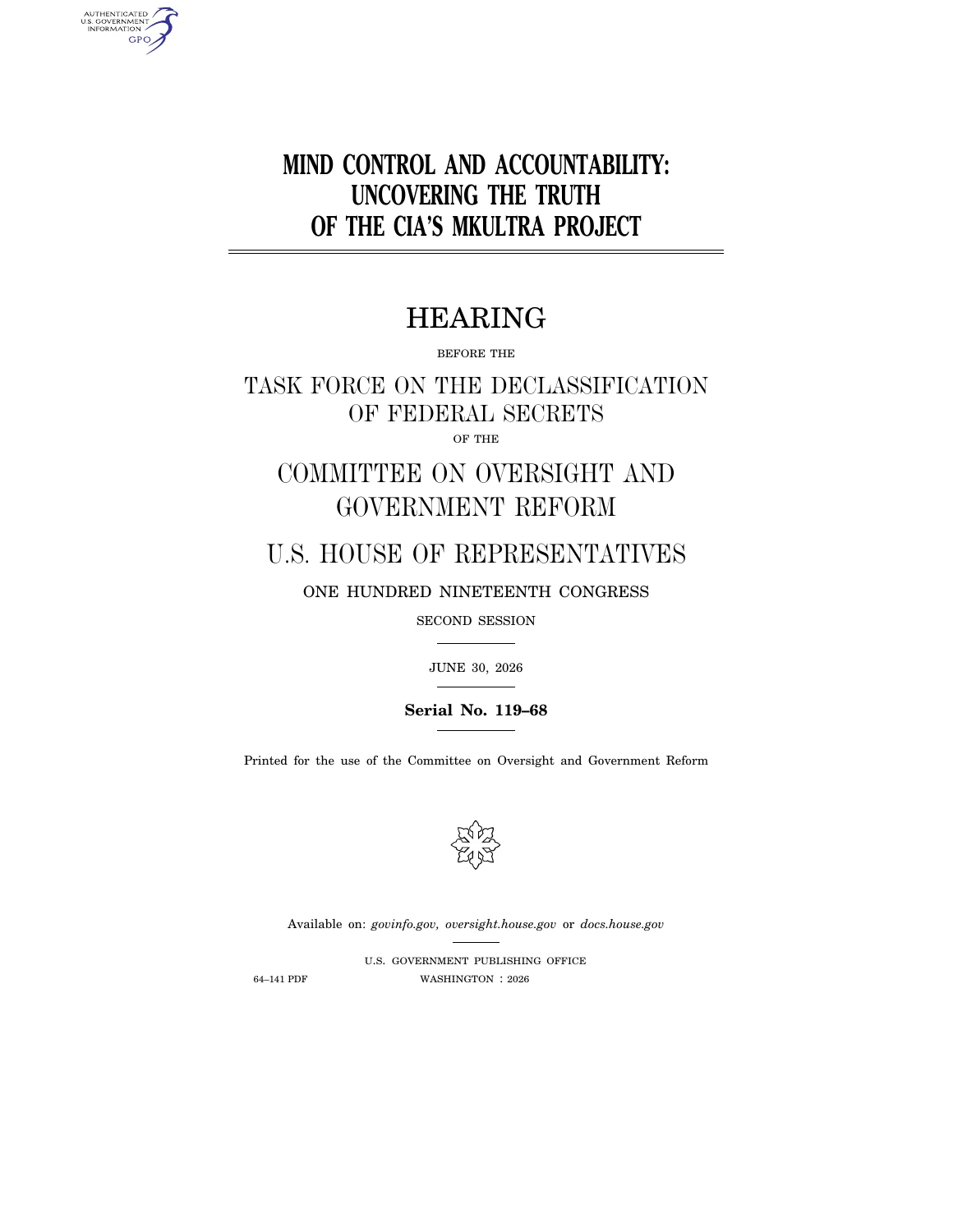
On 30 June 2026, a House task force held a new MKULTRA hearing. Journalist Tom O’Neill testified about documents he says contradict earlier accounts of researcher Louis Jolyon West’s work. His testimony reopened questions about disclosure and what investigators were told. Those are claims to examine against the underlying records. A congressional microphone does not turn every interpretation offered through it into an official finding.
The day before the hearing, the National Security Archive urged attention to actual undisclosed history rather than expansive modern theories. Its critique matters because it comes from an institution that has preserved and published the evidence of real abuses. Skepticism here need not mean trusting the CIA. It can mean refusing to let a spectacular allegation swallow a documented one.
This file was reviewed on 6 October 2026. The hearing is a current accountability context, not a new disclosure that proves the agency invented the hippies. The distinction is part of the story, even when it spoils the cleanest headline.
06 / The connection worth following
Read the money trail alongside the human trail. On one side are authorizations, fiscal records and covert objectives. On the other are people describing what happened to them and what they did afterward. Where the two touch, insist on dates and provenance. Where they do not, leave the gap visible.
The strongest conclusion is already strange enough: a program intended to investigate control helped create circumstances in which some people encountered a drug they associated with freedom. A deliberate campaign to manufacture the counterculture remains unestablished in the sources reviewed here. To move the claim forward, bring an instruction, a corroborated operational account or a chain of decisions—not another photograph of the bus.
QUESTIONS LEFT ON THE DESK
The questions readers bring.
FAQ & search review: 2026-10-06 · Source links identify the record behind each answer. This date does not certify a new investigation of every chapter.
Did the CIA invent LSD?
No. This file concerns CIA experimentation and alleged influence on its later spread, not the invention of the molecule.
Does a CIA-funded experiment prove the hippie movement was controlled?
It establishes a particular research connection. Deliberate control of a movement needs further evidence of instructions, coordination and purpose.
What does the 2026 hearing establish?
It records current testimony and accountability arguments. Witness claims should be checked against documents; testimony is not a blanket finding that the counterculture was engineered.
Compare the records: MKULTRA · Behind the Mirror: The CIA’s Secret LSD Rooms · The DMT Expedition: Another World—or a Brain That Won’t Let Go?.
The allegation, in brief
The CIA deliberately engineered the psychedelic counterculture to neutralize political dissent.
Where the archive stands
CIA drug research and intersections with cultural networks are documented. A coordinated plan to manufacture the counterculture is not established in the reviewed sources.
Read the accounts. Keep the evidence attached to its claim.
ARCHIVIST’S NOTE / EXPANDED RESEARCH: 06 OCT 2026
THE SHELF BEHIND THE FILE
For further reading
Take the longer trail. These are the books we would keep beside this file.
As an Amazon Associate I earn from qualifying purchases. Purchases through these links may earn this archive a commission.
- THE WATCHER’S
FAVORITE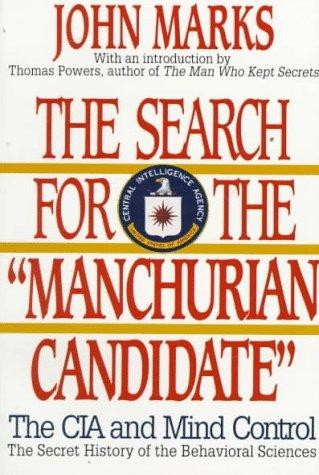 01 / Investigative history
The Search for the “Manchurian Candidate”
Documents and interviews behind the CIA’s mind-control experiments.
View book on AmazonBook & source detailsWhy this pick?
Selected for its direct documentary investigation of the CIA experiments.
The stamp is an editorial recommendation informed by published reviews, source quality, and relevance. It is not a claim about the highest Amazon customer rating. Selection source.
A place on this shelf is not a verdict on every claim inside. Selection checked 6 October 2026. Cover artwork belongs to its respective rights holders; cover sources & editions. Links open a specific edition. Cover artwork may show a different edition; check the format, availability, and price on Amazon before buying.
A QUESTION LEFT IN THE MARGIN / EDITORIAL PROMPT
Bring one source.
What would distinguish a program that accidentally helped spread LSD from an operation deliberately designed to redirect a generation? Name the missing record.
A useful first note: the source, what it establishes, and what it leaves open.
FOLLOW ANOTHER THREAD
Follow this thread.
Follow the separate claim, its accounts and the evidence that can test it.
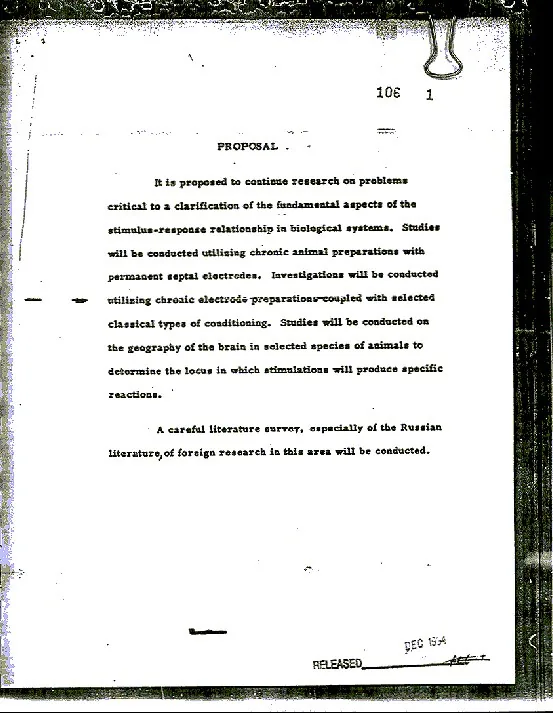 DocumentedDOSSIER 047
MKULTRA
The mind-control program was real.
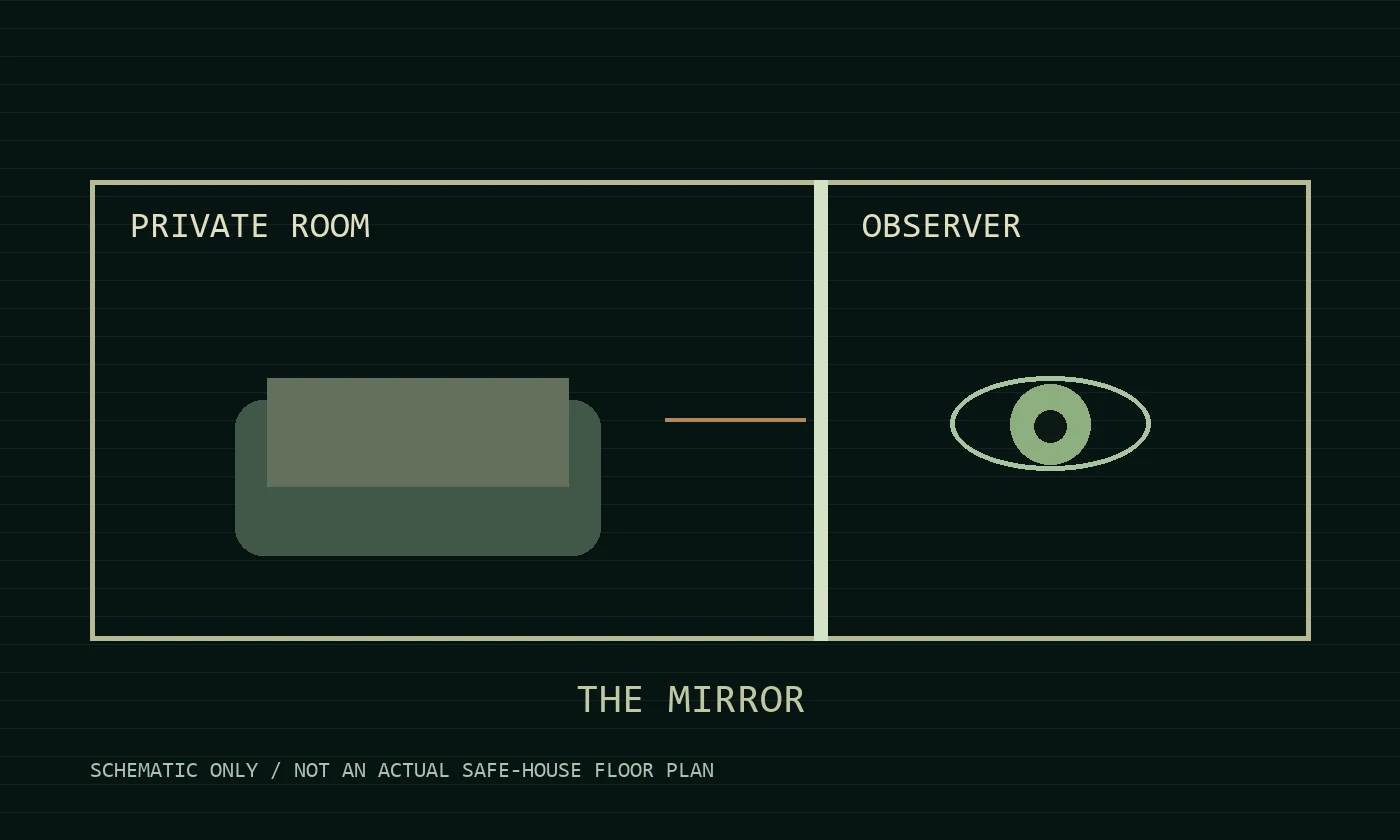 COVERT SAFE-HOUSE TESTING DOCUMENTEDDOSSIER 080 / FICTIONAL ART
Behind the Mirror: The CIA’s Secret LSD Rooms
The visitor saw an apartment. The observer saw an experiment.
 EXTENDED STATES MEASURED / EXTERNAL WORLD UNPROVENDOSSIER 079 / FICTIONAL ART
The DMT Expedition: Another World—or a Brain That Won’t Let Go?
The experiment changes the clock. The destination remains disputed.