DOSSIER 069 / SPECIAL EDITION: KOREA
Gwangju: the invented infiltrators
The witnesses asked the world to look. Another story tried to change who they were.
The assessment concerns the North Korean operation narrative. Unresolved accountability questions do not reverse the evidence of the uprising and suppression.
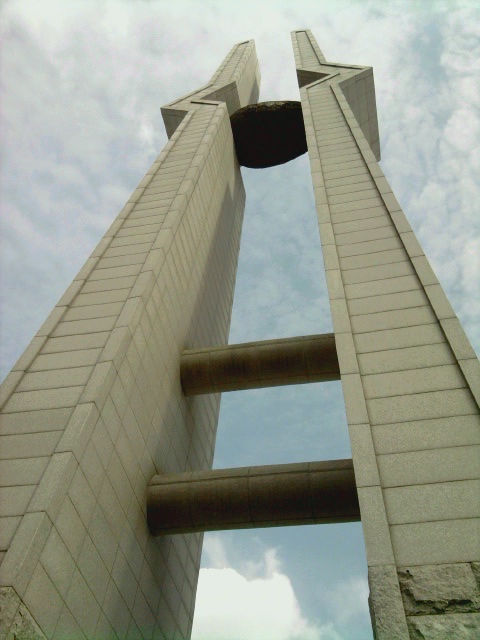
Barbara Peterson remembered people lining the street as she left Gwangju, asking her to tell the world what was happening. Decades later, arguments over who those people really were continued. The demand for witnesses had become a battle over the witnesses’ meaning.
01 / The streets before they became a theory
On 18 May 1980, students protesting military rule confronted troops in Gwangju. The government memorial’s account traces the first clash at Chonnam National University and the movement into the city’s streets. Violence escalated; citizens organized resistance, and the former provincial government building became its center. After troops withdrew toward the outskirts, the city experienced a brief interval outside their immediate control. The military returned in the early hours of 27 May and crushed the remaining resistance. The places are still identifiable: a university gate, Geumnam-ro, a square, the provincial office.
That geography matters because it anchors the file in people and events rather than a ready-made Cold War slogan. The allegation of an enemy operation tries to replace a local sequence—protest, brutal suppression, growing resistance—with a hidden command already in charge. The 1997 Supreme Court judgment concerning Chun Doo-hwan, Roh Tae-woo, and other defendants provides a legal record of the military seizure of power and insurrection. A judgment has a defined case and evidentiary scope. It is a firmer starting point than a later collage of faces asserted to be foreign soldiers.
02 / People who could see only part of it
Matt VanVolkenburg’s historical study assembles accounts from Americans living in Gwangju, alongside diplomatic records. Missionary Barbara Peterson recalled tear gas reaching her and her young son. Peace Corps volunteer Tim Warnberg described a paratrooper clubbing people inside a shop, then hesitating when he encountered foreigners. Martha Huntley’s account describes wounded people and bodies arriving at Gwangju Christian Hospital. These are identified witnesses with particular locations, not an omniscient narrator. Some recollections were collected years later; the study gives their provenance rather than pretending they were all written that night.
Paul Courtright returned to Korea in 2019 while revising the memoir that became Witnessing Gwangju. His own reflection warns against appointing one observer the owner of the whole story: no individual could see everything across several days and surrounding towns. He also questioned the suggestion that foreigners should automatically be regarded as objective. His memory of shock at soldiers killing civilians is a witness’s reaction, not a special immunity from error. Accounts gain strength by being compared with other testimony and records. They do not need to become perfect to make the denial narrative untenable.
03 / How a reported allegation became ‘American proof’
Believers in the infiltration story point to apparent authority: intelligence paperwork, claims of insider knowledge, and an enemy capable of subversion. A concrete example examined by AFP involved a video asserting that released US records established a North Korean uprising. The speaker presented a document as the American government’s position. To someone encountering only the clip, the stamp of a foreign intelligence archive can seem to turn a disputed accusation into outside confirmation. The attraction lies in apparent provenance, not merely in an inflammatory headline.
The underlying 3 June 1980 embassy cable summarized a report issued by South Korea’s Martial Law Command. The accusation belonged to that command. AFP’s examination also identified contemporary US material that did not support North Korean intervention, and interviewed historians who had reviewed the records. The cable’s function and attribution change its meaning. It can establish what the authorities were saying without establishing that they were right. Read the reporting verb, the speaker, and the surrounding assessment. Otherwise a document recording propaganda can be circulated as if its archivist had certified the propaganda.
04 / The questions that remain are not a back door
The truth commission’s work ended in June 2024 with findings and unfinished business. Yonhap’s account says it judged the North Korean troop-deployment story false, without substance or evidence. It also left unresolved questions about firing responsibility, secret burials, and other events. Some commissioners objected to parts of the report; civic groups criticized its shortcomings. That is a contested investigation with limits, not a declaration that every detail of May 1980 has finally been recovered. The specific rejection of infiltration should not be erased because other tasks remained incomplete.
A reader can insist on further investigation of the dead and missing without adopting the story that they were participants in an enemy operation. That distinction is the moral and evidentiary center of this file. A survivor’s incomplete field of view is not evidence of a secret invasion. A commission’s inability to name every responsible person is not evidence that North Korea organized the uprising. Gwangju contains real secrecy, real state violence, and a long struggle over accountability. Those realities are serious enough to follow precisely. The invented infiltrators divert the reader from the people who were actually there.
The allegation, in brief
A recurring denial narrative portrays Gwangju’s democracy uprising as a North Korean operation, substituting infiltrators for local protesters and civilian victims. This file addresses that organized-infiltration claim, not every unresolved question about the military crackdown.
Where the archive stands
Eyewitness accounts and historical records document South Korean military violence against civilians. The 2024 truth commission deemed the North Korean troop-dispatch allegation false and without substance or evidence, while leaving other responsibility and burial questions unresolved. Declassified US documents have also been misrepresented: recording the martial-law authorities’ allegation is not the same as endorsing it.
A report can preserve a lie because someone told it. Read the attribution before you call it confirmation.
ARCHIVIST’S NOTE / EXPANDED RESEARCH: 02 OCT 2026
THE SHELF BEHIND THE FILE
For further reading
Start with a witness’s account, then widen the historical frame. A memoir records one perspective; the sources above supply the wider documentary trail.
As an Amazon Associate I earn from qualifying purchases. Purchases through these links may earn this archive a commission.
- THE WATCHER’S
FAVORITE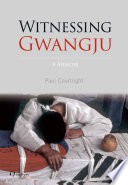 01 / Eyewitness memoir
Witnessing Gwangju: A Memoir
A Peace Corps volunteer’s account of May 1980, published by Hollym in 2020. Read it as a situated witness’s record, alongside Korean testimony and documents.
Find editions on AmazonBook & source detailsWhy this pick?
Selected for its direct eyewitness relevance. Courtright’s published reflections explicitly discuss the limits of a single witness. Favorable attention and interviews are documented by the May 18 Memorial Foundation and Peace Corps community; no claim is made that it is the highest-rated book on Amazon.
The stamp is an editorial recommendation informed by published reviews, source quality, and relevance. It is not a claim about the highest Amazon customer rating. Selection source.
 02 / Diplomatic history
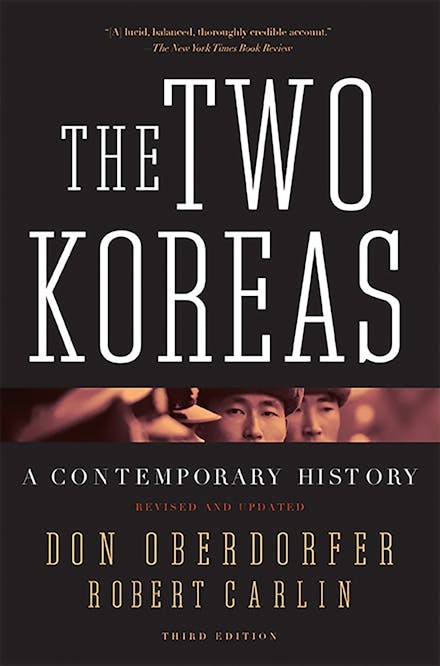
The Two Koreas: A Contemporary History
Choose the revised 2013 edition for the context of the divided peninsula. A broad diplomatic history, not a forensic verdict on Cheonan.
Find editions on AmazonBook & source details
A place on this shelf is not a verdict on every claim inside. Selection checked 2 October 2026. Cover artwork belongs to its respective rights holders; cover sources & editions. Covers identify a selected edition; Amazon lists current editions, availability, and prices.
A QUESTION LEFT IN THE MARGIN / EDITORIAL PROMPT
Bring one source.
How does attribution change the meaning of a declassified document that repeats an allegation? Compare it with the witness record.
A useful first note: the source, what it establishes, and what it leaves open.
FOLLOW ANOTHER THREAD
Adjacent files
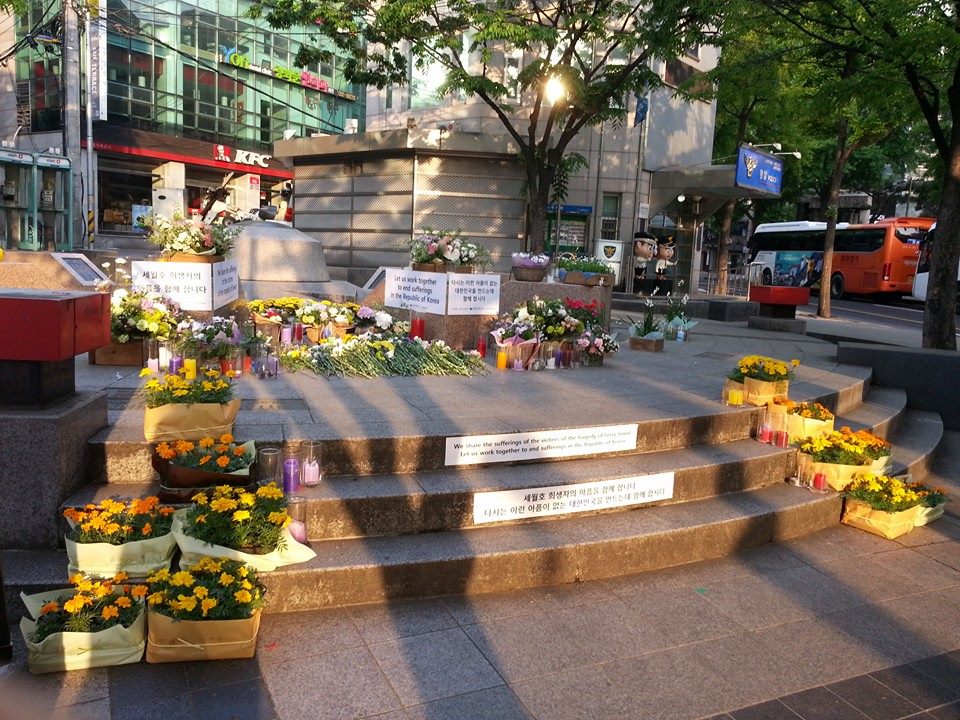 COLLISION UNPROVENDOSSIER 067
Sewol: the submarine beneath the story
The children were told to wait. Years later, a radar trace became an accusation.
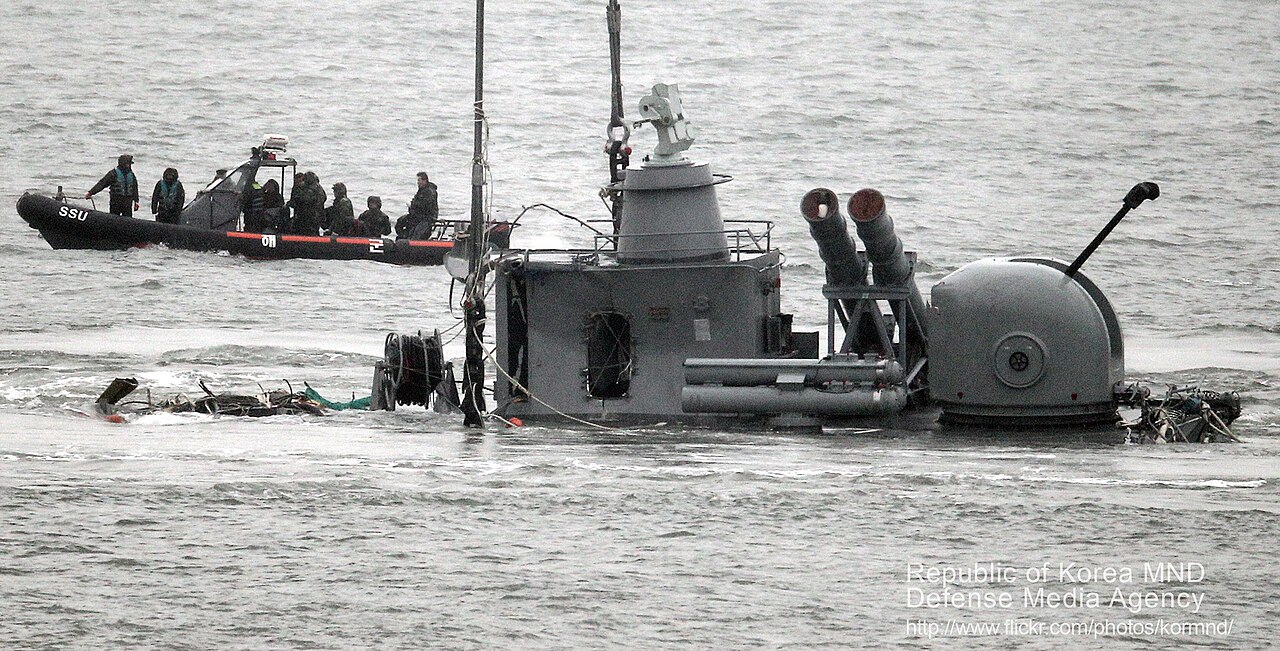 COVER-UP UNPROVENDOSSIER 068
Cheonan: collision and cover-up claims
A warship split in darkness. The argument survived the salvage.
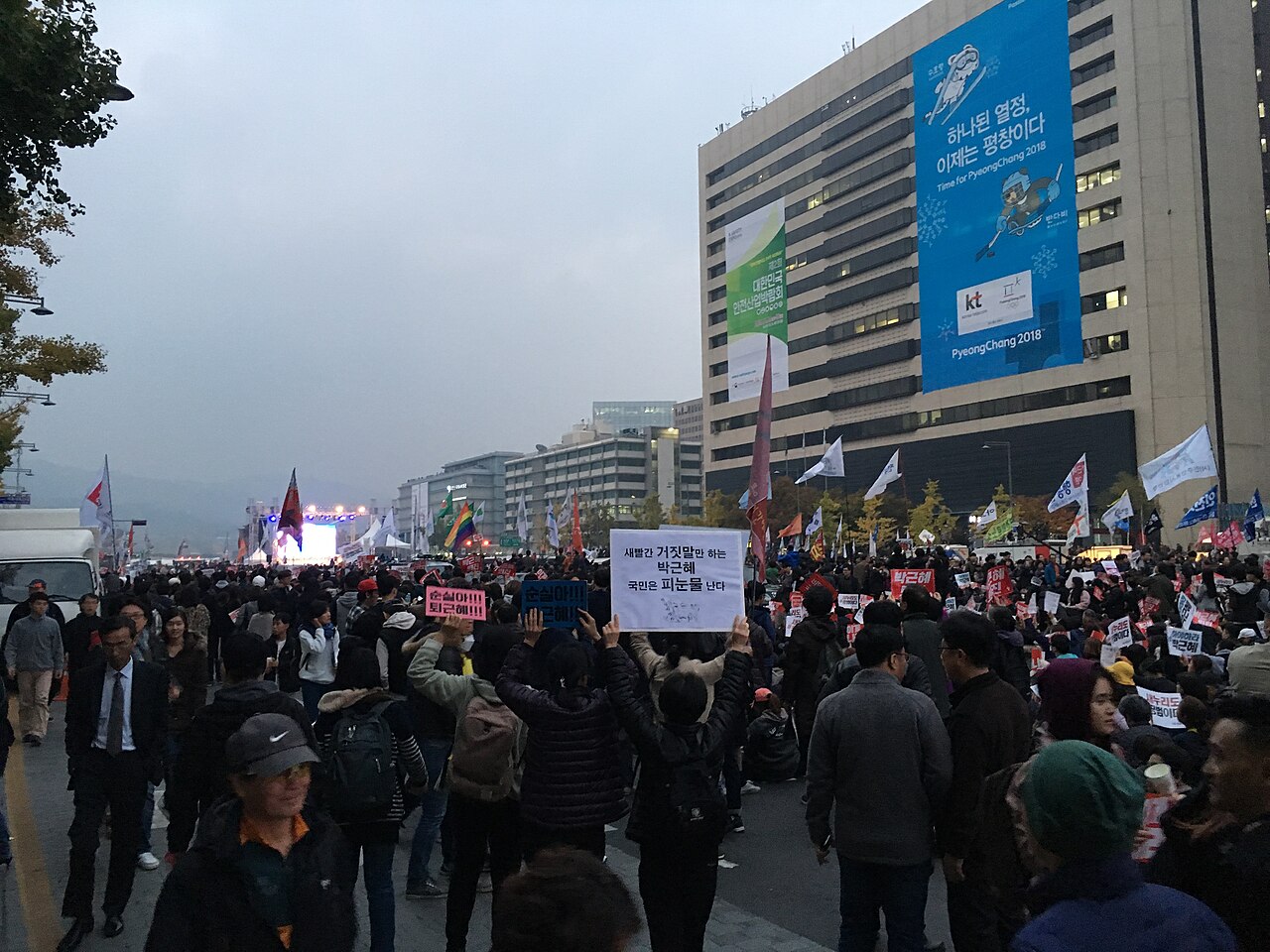 OCCULT CABAL UNPROVENDOSSIER 070
Park Geun-hye and the Eight Fairies
An unofficial adviser was real. The shadow cabinet acquired a more elaborate name.