DOSSIER 070 / SPECIAL EDITION: KOREA
Park Geun-hye and the Eight Fairies
An unofficial adviser was real. The shadow cabinet acquired a more elaborate name.
Choi’s improper influence and Park’s removal are documented. The specific Eight Fairies occult-cabal narrative is unproved.
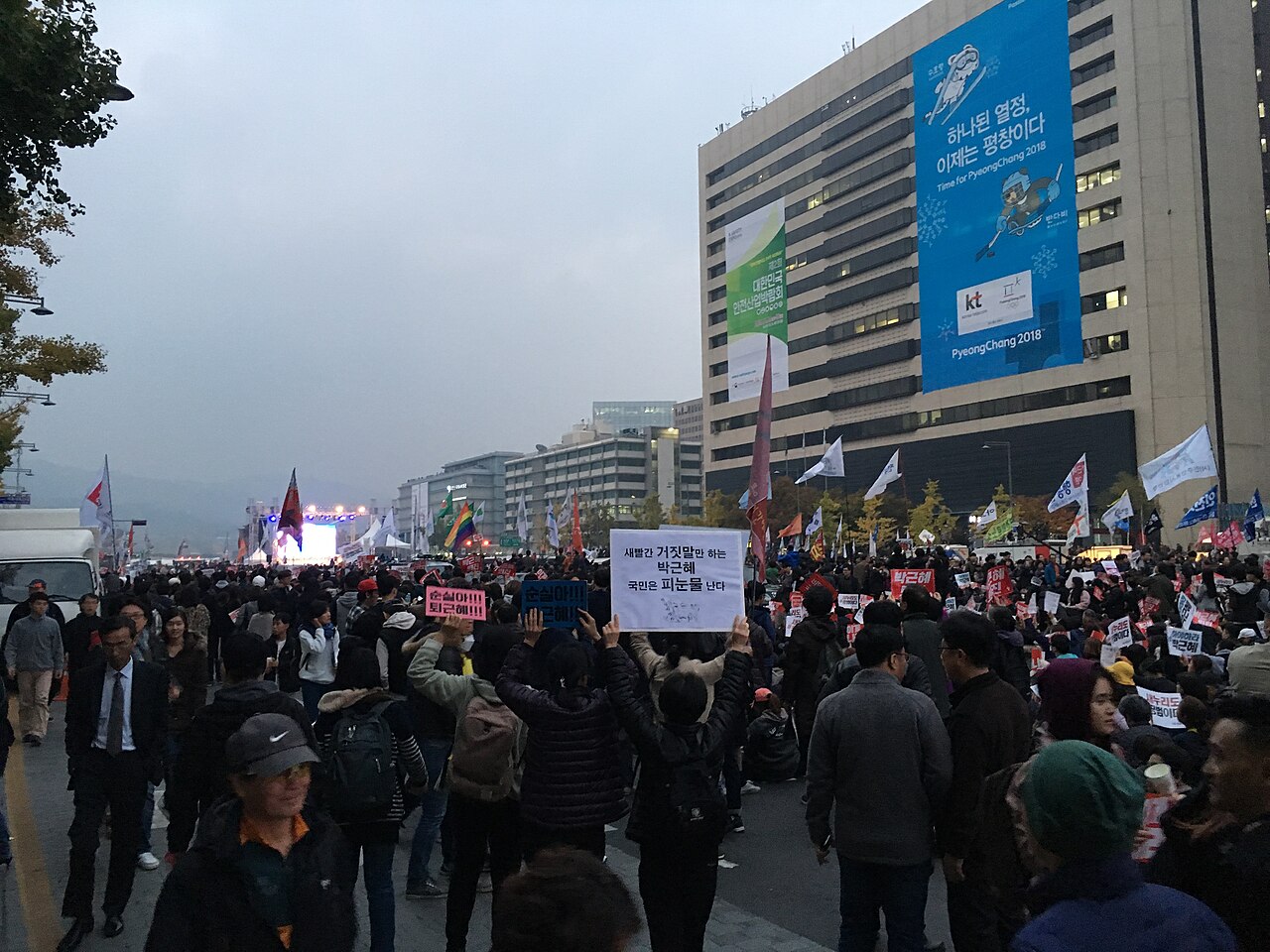
A presidential speech should have passed through the president’s staff. In October 2016, the public learned that drafts had also reached a woman with no official post. The discovery opened a door into the Blue House. In the stories that followed, an adviser became a shadow ruler, and a network became eight fairies.
01 / The documents that broke the seal
The Straits Times’ reconstruction follows Choi Soon-sil’s access to presidential material and the JTBC revelations that made it impossible to dismiss the matter as gossip. Documents appeared to show her receiving and editing speeches from 2012 to 2014. The disturbing feature was mundane enough to be checked: someone outside the formal administration had access before the public did. What had seemed like a president’s private friendship now raised questions about who was making decisions and through which channels.
The scandal developed around foundations, corporate money, appointments, and access. Those mechanisms can be investigated through records and testimony. An unpublished speech in the wrong hands is a lead; a foundation’s finances are another. Together they can support an account of improper influence without requiring a supernatural explanation. This is where the case divides. One trail asks how Choi’s relationship with Park bypassed public institutions. The other asks whether the relationship proves a separate, named cult cabinet directing the country. The first trail supplied evidence. The second accumulated additional claims.
02 / A secret council with a memorable name
The Eight Fairies allegation was not confined to anonymous forums. Seoul Economic Daily reported opposition leader Choo Mi-ae raising it publicly in October 2016, portraying a hidden group connected to Choi as wielding influence over state affairs and business. Contemporary accounts imagined a circle of powerful women and connections to senior officials. Believers saw the verified unofficial access as the visible edge of something larger: if one unappointed friend could intervene, why not a council of friends acting through her? The question was plausible enough to investigate. Its premise did not settle its answer.
Choi denied the alleged group in her interview with Segye Ilbo from Germany, summarized by YTN on 27 October. She treated the name as unfamiliar and the story as fiction. That is a participant’s defensive account, not independent clearance. Yet the denial belongs in the file alongside the accusation. Neither a politician repeating the story nor an accused person rejecting it can substitute for minutes, verified communications, a corroborated membership, or evidence of specific collective decisions. The archive does not reproduce circulating lists of supposed members as if those lists were findings.
03 / Where the scandal acquired an occult script
Choi’s father, Choi Tae-min, and his religious background helped give the affair a vocabulary beyond ordinary patronage. David Volodzko’s November 2016 Lowy Institute commentary catalogued rumors of a cult, a brainwashed president, rituals, and coded religious meaning in official symbols. He identified the Eight Fairies story within that expanding atmosphere. His article is useful as a dated record of the claims circulating during the crisis; it is commentary, not a finding that those practices governed the administration.
This is the seductive point in the story. A secret channel has been demonstrated, so the most elaborate explanation starts borrowing the credibility of the most concrete revelation. An observer may have witnessed demonstrations, a leaked draft may establish access, and a witness may describe Choi giving instructions. None of those observations, by itself, establishes a magical hold or a formal occult council. There is no verified firsthand account in the sources here of an Eight Fairies cabinet meeting directing the state. That absence is worth stating plainly, rather than filling it with an imagined scene behind palace curtains.
04 / What brought a president down
The National Assembly voted for impeachment on 9 December 2016, by 234 votes to 56. That suspended Park; it did not yet remove her permanently. The Constitutional Court’s decision followed on 10 March 2017. Yonhap’s charge-by-charge account explains that the court upheld abuses involving Choi’s interference, disclosure of official documents, and the president’s assistance in advancing private interests through foundations. These are specific grounds and identifiable conduct. They should not be rewritten as a judicial verdict that Korea had been governed by eight occult rulers.
The difference does not reduce the scandal. A president’s office can be compromised by money, loyalty, and unaccountable access; the record can be damning without authenticating a spell. For readers drawn to hidden power, this case offers something more durable than its most exotic rumor: a chance to trace how informal relationships reach formal decisions. Follow the drafts, the foundations, the officials, and the rulings. Keep the Eight Fairies claim attached to its proponents and its evidentiary limits. Otherwise the mysterious name ends up concealing the very abuses the investigation made visible.
The allegation, in brief
The Eight Fairies rumor alleged that Choi Soon-sil led a secret circle exercising power over Park Geun-hye’s government. Some versions added cult membership, spells, and ritual control. Those claims exceed the documented improper access and abuse of power.
Where the archive stands
The Constitutional Court removed Park on 10 March 2017 over grave abuses involving Choi’s interference and private gains. Contemporary reporting records the Eight Fairies accusation and Choi’s denial; it does not establish an occult eight-person governing cabal. Evidence of informal influence does not verify every story attached to the scandal.
The unofficial door into government was enough to bring down a president. It does not prove what every rumor placed behind that door.
ARCHIVIST’S NOTE / EXPANDED RESEARCH: 02 OCT 2026
THE SHELF BEHIND THE FILE
For further reading
Read the documented political scandal in its Korean setting. These books do not authenticate the alleged occult council.
As an Amazon Associate I earn from qualifying purchases. Purchases through these links may earn this archive a commission.
- THE WATCHER’S
FAVORITE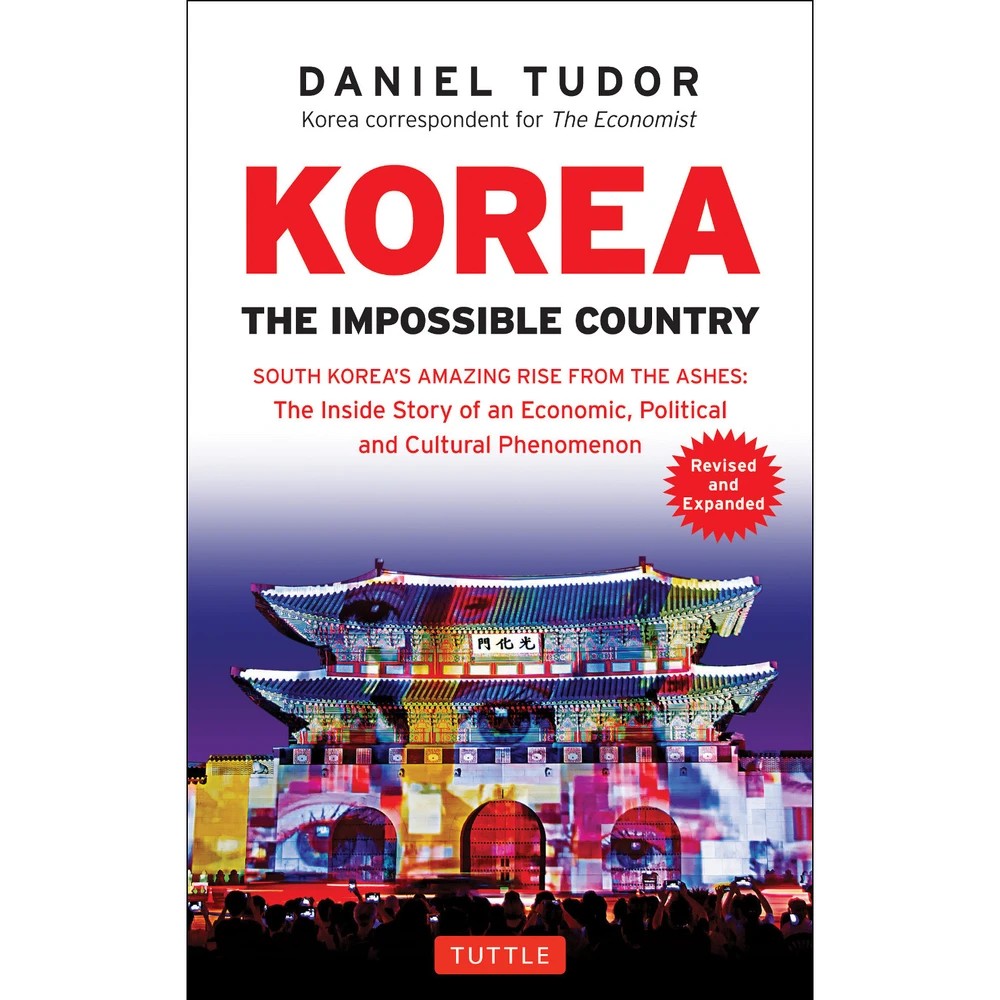 01 / History / reportage
Korea: The Impossible Country
Choose the updated edition: it includes Sewol and Park’s impeachment, alongside the political and cultural setting of modern South Korea.
Find editions on AmazonBook & source detailsWhy this pick?
Selected for the updated edition’s direct treatment of Sewol and Park’s impeachment, plus substantial favorable published reception documented by Tuttle. The Financial Times called the book a valuable contribution to understanding Korea.
The stamp is an editorial recommendation informed by published reviews, source quality, and relevance. It is not a claim about the highest Amazon customer rating. Selection source.
 02 / Diplomatic history
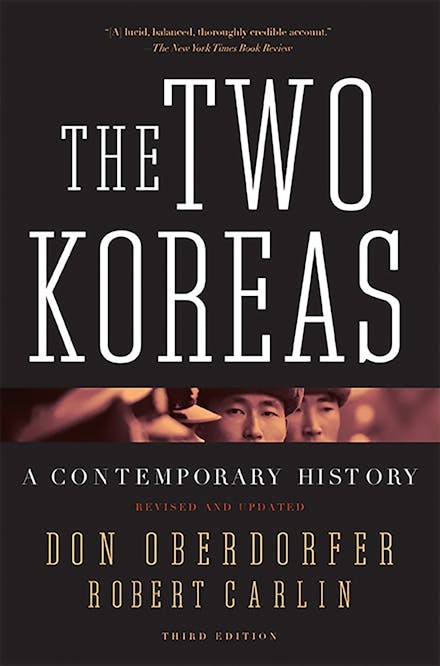
The Two Koreas: A Contemporary History
Choose the revised 2013 edition for the context of the divided peninsula. A broad diplomatic history, not a forensic verdict on Cheonan.
Find editions on AmazonBook & source details
A place on this shelf is not a verdict on every claim inside. Selection checked 2 October 2026. Cover artwork belongs to its respective rights holders; cover sources & editions. Covers identify a selected edition; Amazon lists current editions, availability, and prices.
A QUESTION LEFT IN THE MARGIN / EDITORIAL PROMPT
Bring one source.
Which facts establish improper influence, and which additional claims belong to the occult-council rumor?
A useful first note: the source, what it establishes, and what it leaves open.
FOLLOW ANOTHER THREAD
Adjacent files
 COLLISION UNPROVENDOSSIER 067
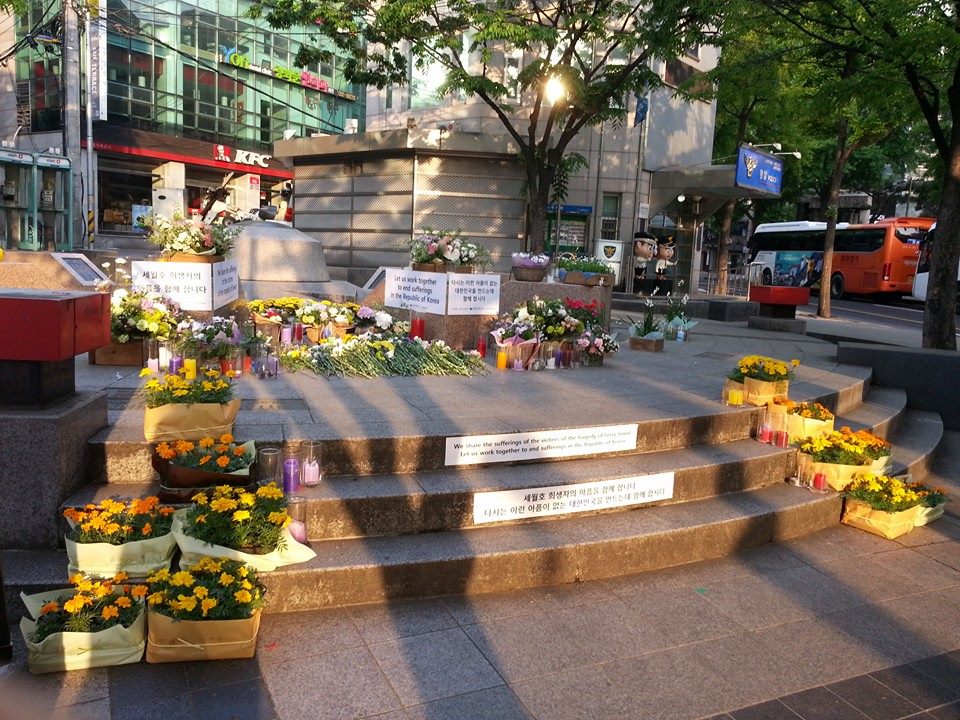
Sewol: the submarine beneath the story
The children were told to wait. Years later, a radar trace became an accusation.
 COVER-UP UNPROVENDOSSIER 068
Cheonan: collision and cover-up claims
A warship split in darkness. The argument survived the salvage.
 INFILTRATION CLAIM REFUTEDDOSSIER 069
Gwangju: the invented infiltrators
The witnesses asked the world to look. Another story tried to change who they were.