DOSSIER 067 / SPECIAL EDITION: KOREA
Sewol: the submarine beneath the story
The children were told to wait. Years later, a radar trace became an accusation.
The disaster and failures are documented. A secret submarine collision has not been established.
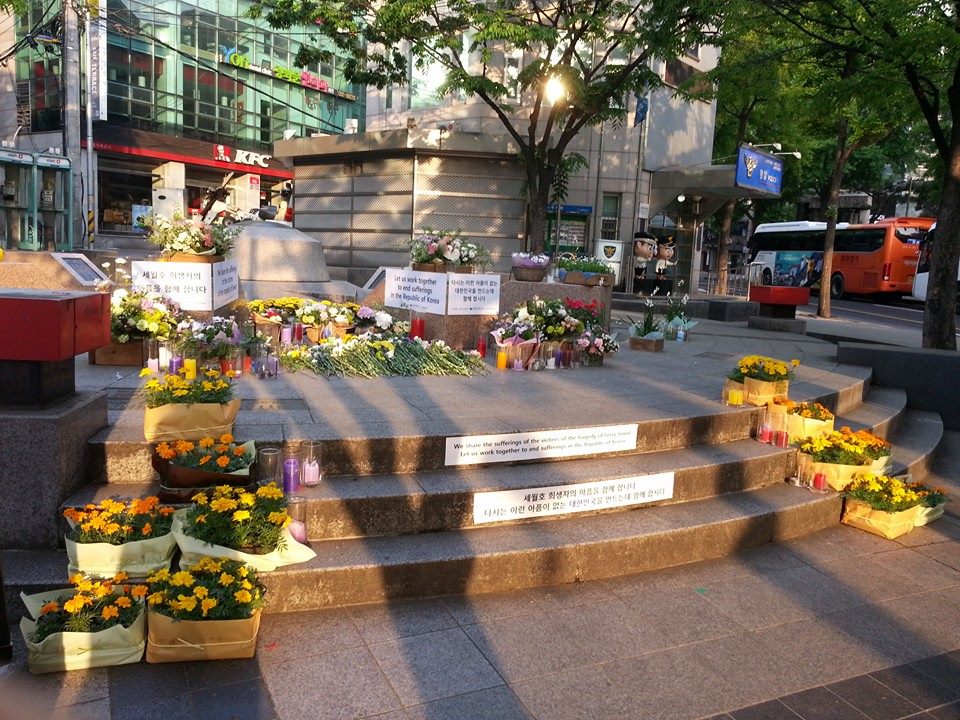
Sewol’s survivors described a doorway above their heads and life jackets lifting them toward it. Begin inside that cabin. The argument about what lay under the ship came later.
01 / The instruction that outlived the ship
The crossing to Jeju ended on 16 April 2014. Sewol heeled, flooded, and went down with hundreds still aboard, many of them schoolchildren. In July, six teenage survivors testified at the crew’s trial. Reuters reported that proceedings were moved to Ansan so the students could give evidence close to home. Their names were withheld. These were accounts from inside the ship, delivered in court a little over three months after the sinking.
One student described flotation jackets carrying classmates upward toward a doorway while others pulled them out. Another described rescuers outside rather than entering the cabins. The instruction to remain where they were had made obedience lethal. Their testimony records what those children experienced and what they could see of rescue. It does not identify an object beneath the water. That distinction matters: the most harrowing witness in a file need not be a witness to its disputed mechanical cause.
02 / Zaro puts something under the hull
In December 2016, an online investigator using the name Zaro released a documentary approaching nine hours. The argument moved away from the visible rescue catastrophe toward a concealed encounter at sea. He questioned the ferry’s course and interpreted radar material as evidence of a nearby submarine. Professor Kim Kwan-mook also advanced a submarine reading of the radar. Zaro suggested that concealing an accident would protect the Navy’s celebrated safety record. These were identifiable claims, rather than an anonymous photograph with a caption attached.
The Navy denied having a submarine operating or exercising nearby. Its public response cited average depths of about 37 metres, strong currents, and heavy commercial traffic. A military denial is an interested institution’s statement; it deserves scrutiny. But doubting that statement does not settle what a radar return represents. The collision argument needs a vessel, a physically credible encounter, and damage and timing consistent with that encounter. An alleged motive to hide an accident cannot supply those missing observations.
03 / The miniature ferry and the divided report
MARIN, the Netherlands maritime research institute, approached the problem with models. Its March 2020 technical account describes more than 340 turning and heeling scenarios with a 1:25-scale ship, varying stability, steering, propulsion, cargo movement, and external forces. A separate flooding model reconstructed compartments and openings. The researchers were testing sequences against physical behavior, rather than asking whether a single startling frame looked suspicious. The purpose was to make a proposed explanation survive contact with the ship’s mechanics.
The official record did not end with everyone signing one tidy causal account. On 7 June 2022, the Social Disasters Commission agreed to retain both views that external force had not been demonstrated and views that it could not be excluded. A later HPS&ST analysis reports that MARIN and Korean naval architects supported an explanation without an underwater collision, while commissioners disputed aspects of that analysis. It also reproduces the final report’s finding that evidence did not support collision with an underwater object. Failure to resolve every initiating detail and affirmative proof of a submarine are different conclusions.
04 / Why an unanswered question became a second disaster
Jeon, Knowles, and Park’s historical study follows the inquiry itself becoming a further ordeal. It opens with families greeting investigators who continued arriving at work in July 2016 after the government’s closure of the earlier commission. Chairman Lee Suk-tae later undertook a hunger strike. Their research describes political obstruction and a commission forced to disband without its final report. One author had worked inside that investigation; the paper identifies its position and research context. Distrust here had a history and identifiable events behind it.
That history explains why an explanation promising a withheld culprit could attract attention. It does not make every bereaved family a supporter of Zaro, nor make his radar interpretation correct. Keep the two trails open separately: accountability for unsafe operation, failed rescue, and interference with scrutiny; and the evidence needed to establish a specific hidden collision. Conflating them can leave the documented failures in the shadow of an unproved machine. The most unsettling possibility in this file requires no submarine at all: people were still waiting for help that should have reached them.
The allegation, in brief
Zaro’s documentary proposed that Sewol struck a submarine and that the Navy concealed the collision. This assessment concerns that specific covert-collision claim, not the reality of the disaster or the families’ right to demand answers.
Where the archive stands
Sewol capsized on 16 April 2014, killing 304 people. Survivors described disastrous instructions and failures of rescue. Engineers tested stability, cargo, steering, and flooding; the later inquiry retained disagreements over the initiating cause. Those disagreements did not establish a submarine, a collision, or a Navy cover-up. A 2022 science-education analysis quotes the final report’s conclusion that collision with an underwater object was not supported by evidence.
The gaps in the record belong to the dead and their families. They are not blank pages on which anyone may write a submarine.
ARCHIVIST’S NOTE / EXPANDED RESEARCH: 02 OCT 2026
THE SHELF BEHIND THE FILE
For further reading
Keep the families and the investigation in view. These books examine the disaster’s political setting; neither is evidence of a submarine.
As an Amazon Associate I earn from qualifying purchases. Purchases through these links may earn this archive a commission.
- THE WATCHER’S
FAVORITE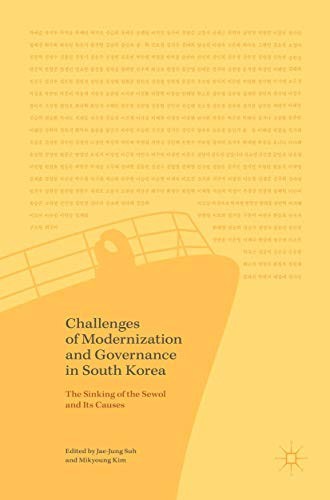 01 / Specialist disaster studies
Challenges of Modernization and Governance in South Korea: The Sinking of the Sewol and Its Causes
A dedicated scholarly collection on Sewol’s governance failures and the families’ struggle. Published in 2017, before the later technical inquiry.
Find editions on AmazonBook & source detailsWhy this pick?
Selected for its sustained, case-specific scholarship. Reviewed in The Journal of Asian Studies in 2018; publisher’s contents identify its specialist contributors. This is an editorial selection, not an Amazon customer-rating comparison.
The stamp is an editorial recommendation informed by published reviews, source quality, and relevance. It is not a claim about the highest Amazon customer rating. Selection source.
 02 / History / reportage
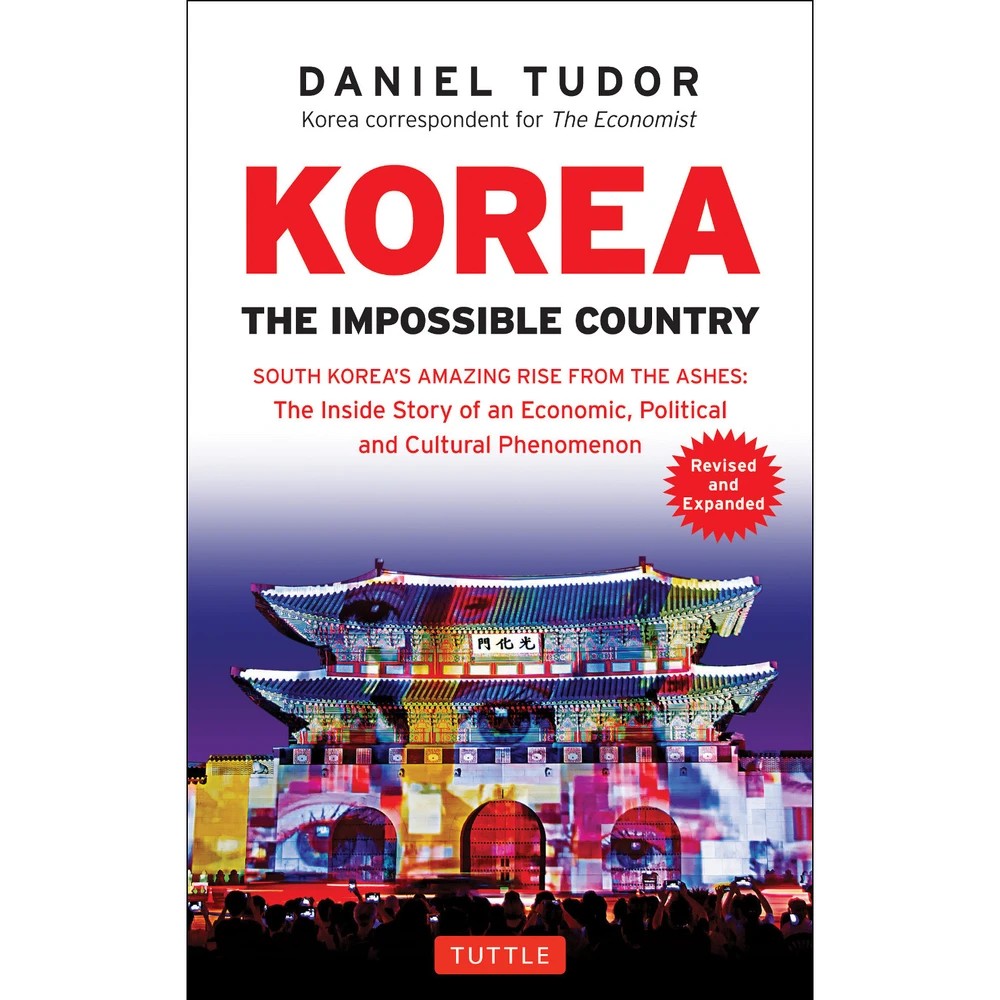
Korea: The Impossible Country
Choose the updated edition: it includes Sewol and Park’s impeachment, alongside the political and cultural setting of modern South Korea.
Find editions on AmazonBook & source details
A place on this shelf is not a verdict on every claim inside. Selection checked 2 October 2026. Cover artwork belongs to its respective rights holders; cover sources & editions. Covers identify a selected edition; Amazon lists current editions, availability, and prices.
A QUESTION LEFT IN THE MARGIN / EDITORIAL PROMPT
Bring one source.
What separates an unanswered technical question from positive evidence for a submarine? Start with a dated inquiry finding.
A useful first note: the source, what it establishes, and what it leaves open.
FOLLOW ANOTHER THREAD
Adjacent files
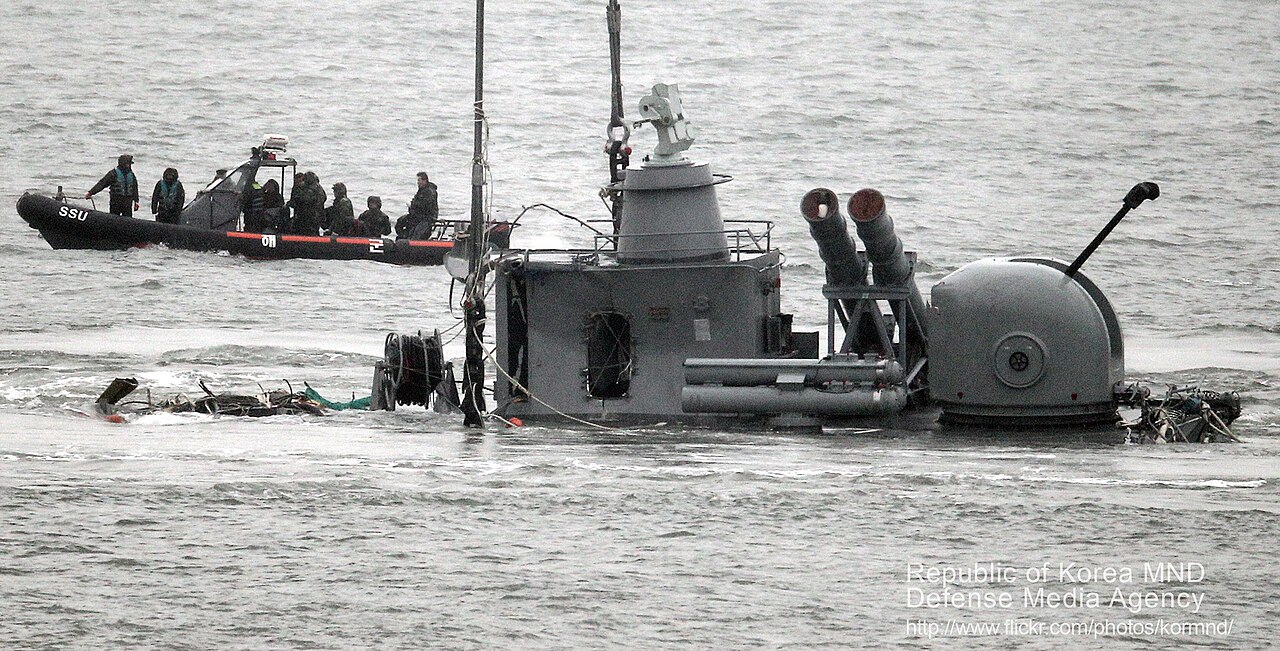 COVER-UP UNPROVENDOSSIER 068
Cheonan: collision and cover-up claims
A warship split in darkness. The argument survived the salvage.
 INFILTRATION CLAIM REFUTEDDOSSIER 069
Gwangju: the invented infiltrators
The witnesses asked the world to look. Another story tried to change who they were.
 OCCULT CABAL UNPROVENDOSSIER 070
Park Geun-hye and the Eight Fairies
An unofficial adviser was real. The shadow cabinet acquired a more elaborate name.