DOSSIER 052 / DOCUMENTED OPERATIONS
Watergate
A break-in became a presidency’s undoing.
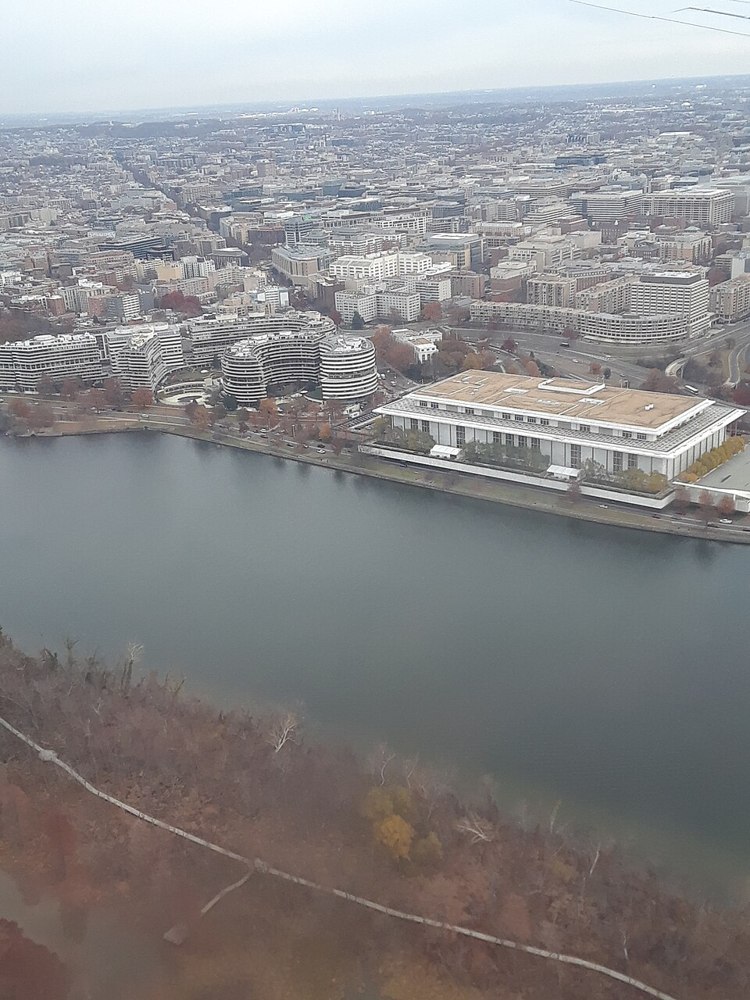
Frank Wills noticed tape on a door latch. When the tape returned, an ordinary security round became the opening of a presidential scandal. The later revelations depended on witnesses and recordings that the people conducting the cover-up could not fully control.
01 / The door, the burglary, the cover-up
On 17 June 1972, the Watergate security guard’s discovery led to the arrest of intruders at Democratic National Committee offices. The National Archives’ account preserves Wills’s place in that sequence. Investigations followed the burglary into campaign operations and efforts to obstruct inquiry. The dramatic ending should not erase the small observation that opened the case.
02 / Butterfield discloses another kind of witness
Alexander Butterfield told Senate committee staff about the White House recording system in July 1973, then repeated the disclosure publicly. The Ford Library’s papers preserve interview materials and corrections. His account turned investigators toward recordings of presidential conversations. The tapes could test testimony against voices recorded at the time, though interpretation still required dates, context, and careful transcription.
03 / What the skeptical investigators were pursuing
The important suspicion was specific: the burglary was connected to people above the arrested intruders, and the administration was interfering with its investigation. Witness accounts, money, documents, and eventually tapes supplied connections that a general impression of dishonesty could not. This is how an allegation develops into a supported account: links can be checked independently rather than inferred from every public denial.
04 / The defense meets the recorded trail
Administration denials and attempts to limit access belong to the history, but the decisive evidence was not simply the fact that officials resisted questions. The records exposed conduct and conversations. Nixon resigned in August 1974. The documented cover-up does not prove every later theory about the original burglary’s hidden purpose. It does show why preserving an unglamorous security note and asking an insider a precise question can matter more than assembling ominous coincidences.
The allegation, in brief
Political operatives burglarized the Democratic National Committee offices, followed by concealment reaching the Nixon administration.
Where the archive stands
Investigations, tapes, and court records established the scandal. Nixon resigned in 1974. This is an example of a conspiracy exposed by evidence rather than sustained by unfalsifiable suspicion.
The trail led somewhere because people kept following the documents.
ARCHIVIST’S NOTE / EXPANDED RESEARCH: 02 OCT 2026
THE SHELF BEHIND THE FILE
For further reading
Take the longer trail. These are the books we would keep beside this file.
As an Amazon Associate I earn from qualifying purchases. Purchases through these links may earn this archive a commission.
- THE WATCHER’S
FAVORITE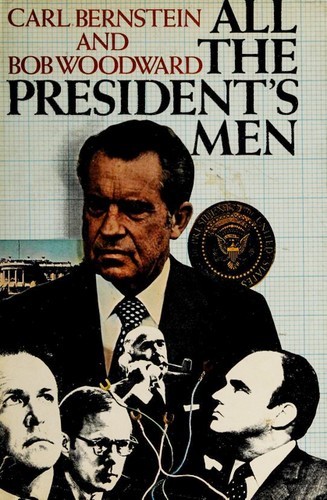 01 / Reporters’ firsthand account
All the President’s Men
How the Watergate reporting was built, source by source.
Find editions on AmazonBook & source detailsWhy this pick?
The reporters’ foundational firsthand account; selected for its direct connection to the investigation.
The stamp is an editorial recommendation informed by published reviews, source quality, and relevance. It is not a claim about the highest Amazon customer rating. Selection source.
 02 / Investigative history
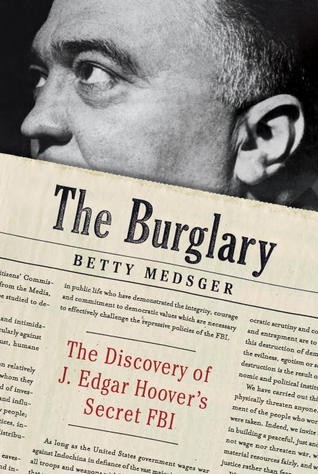
The Burglary
The break-in that exposed the FBI’s secret machinery of domestic repression.
View book on AmazonBook & source details
A place on this shelf is not a verdict on every claim inside. Selection checked 2 October 2026. Cover artwork belongs to its respective rights holders; cover sources & editions. Covers identify a selected edition; Amazon lists current editions, availability, and prices.
A QUESTION LEFT IN THE MARGIN / EDITORIAL PROMPT
Bring one source.
Which piece of corroboration moved the story beyond a source’s word? Follow one step in the reporters’ trail.
A useful first note: the source, what it establishes, and what it leaves open.
FOLLOW ANOTHER THREAD
Adjacent files
 DocumentedDOSSIER 047
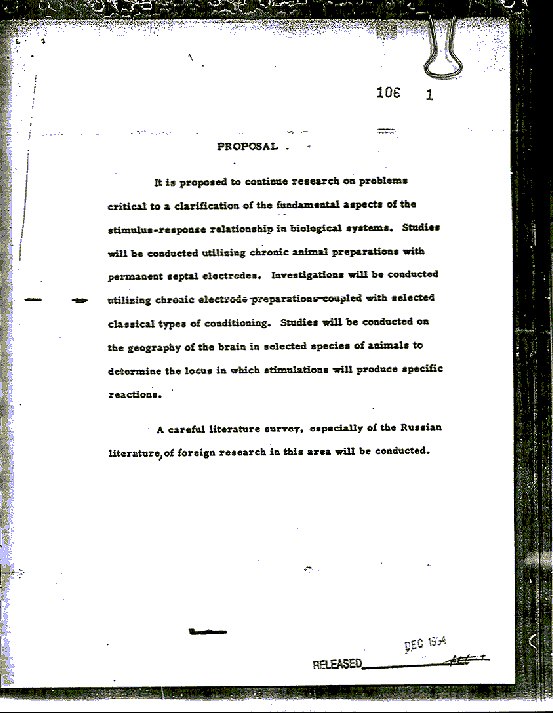
MKULTRA
The mind-control program was real.
 DocumentedDOSSIER 048
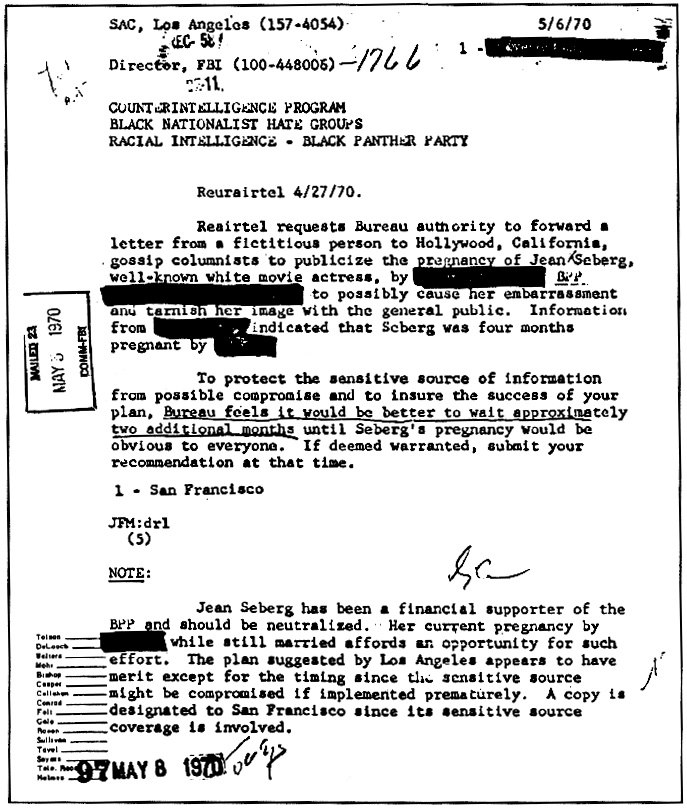
COINTELPRO
The bureau did more than watch.
 DocumentedDOSSIER 049
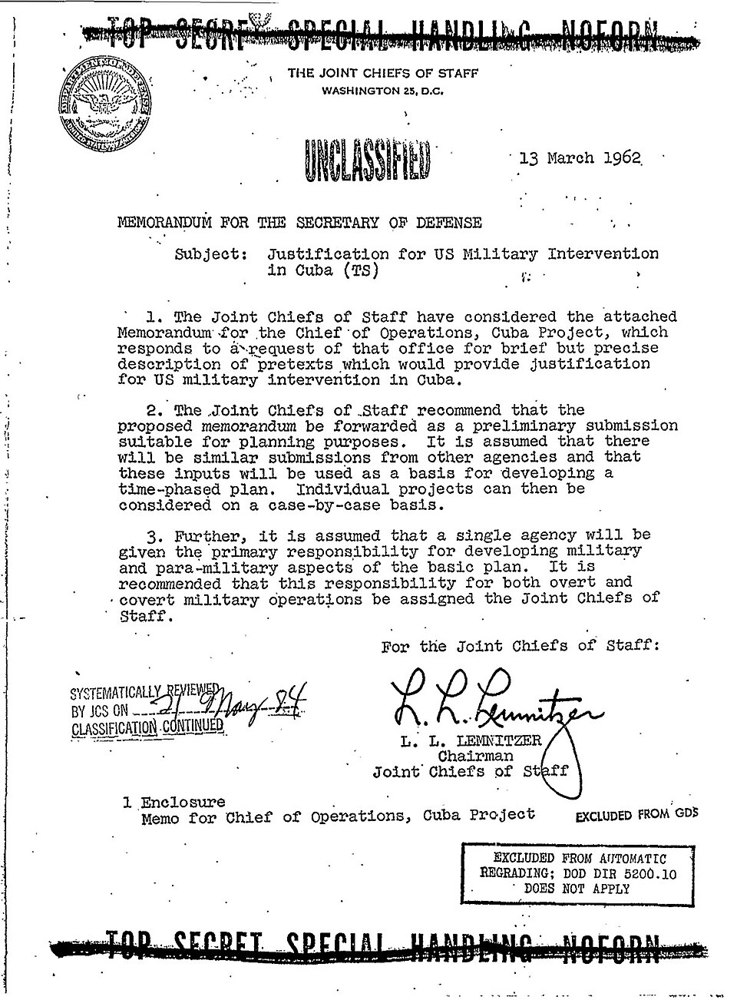
Operation Northwoods
The false flag existed as a proposal.