DOSSIER 051 / DOCUMENTED OPERATIONS
Operation Paperclip
The recruitment files had a past to conceal.
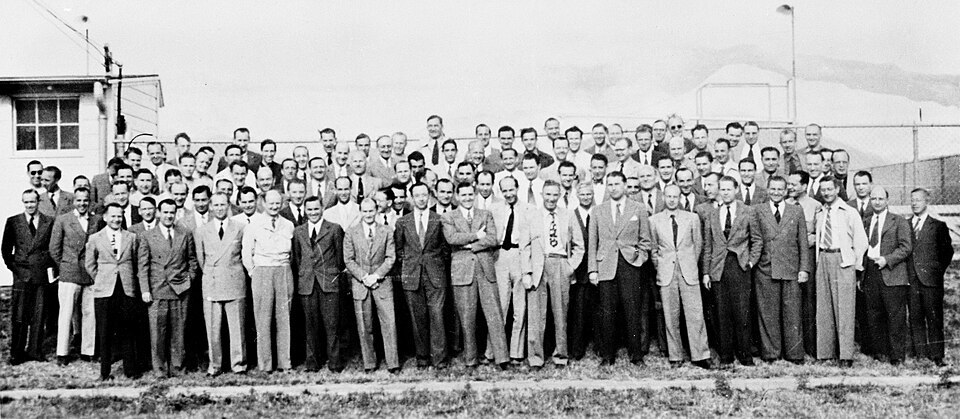
The war ended, but the expertise developed for it remained valuable. American officials recruited German specialists while deciding how much of their past could be overlooked. The rockets were public achievements; the records behind the recruitment were a harder inheritance.
01 / Recruitment in the shadow of the camps
Operation Paperclip brought German scientific and technical personnel into American programs after the Second World War. The Interagency Working Group’s report explains the political authorization and the problem of Nazi affiliations among recruits. Wernher von Braun’s SS membership is part of that documented history. The program’s value to the United States did not erase questions about participation in, knowledge of, or benefit from the Nazi system.
02 / What the files allow us to hear
The recruitment record contains officials’ evaluations and decisions, not merely later biographies celebrating engineering success. The working group’s account also discusses the forced-labor history of the V-2 program and the later case of Arthur Rudolph. Those records allow an investigator to compare an employment narrative with the wartime institutions it leaves out. No single affiliation alone settles every individual’s conduct; a clean recruitment summary alone cannot settle it either.
03 / The suspicion that the archive supports
Critics argue that strategic advantage took precedence over a candid reckoning with Nazi involvement. The declassified history supports serious examination of that bargain. For broader conspiracy believers, Paperclip becomes a proposed explanation for continuing hidden Nazi influence in American institutions. That larger continuity claim needs its own organizations, instructions, and acts. Recruitment supplies documented personnel links, not unlimited proof of inherited control.
04 / Achievement and responsibility remain separate questions
The counterargument emphasizes Cold War competition and the practical value of expertise. Those considerations explain a choice without absolving it. Read the relevant personnel record, the standards officials said they would apply, and the evidence they actually considered. This file is not a contest between admiring rockets and remembering forced labor. It is an inquiry into the decisions that allowed both histories to become attached to the same careers.
The allegation, in brief
The US recruited German scientific personnel after World War II, including people with Nazi affiliations.
Where the archive stands
National Archives records document the Joint Intelligence Objectives Agency and the foreign-scientist program. Histories of recruitment and obscured backgrounds are grounded in archival records. They do not establish later alien or occult additions.
Read the personnel file as closely as the rocket’s flight record.
ARCHIVIST’S NOTE / EXPANDED RESEARCH: 02 OCT 2026
THE SHELF BEHIND THE FILE
For further reading
Take the longer trail. These are the books we would keep beside this file.
As an Amazon Associate I earn from qualifying purchases. Purchases through these links may earn this archive a commission.
- THE WATCHER’S
FAVORITE 01 / Investigative history
Operation Paperclip
The postwar recruitment of Nazi scientists and the compromises that accompanied it.
View book on AmazonBook & source detailsWhy this pick?
Favorable Boston Globe review, documented by the publisher.
The stamp is an editorial recommendation informed by published reviews, source quality, and relevance. It is not a claim about the highest Amazon customer rating. Selection source.
 02 / Cold War history
The Quiet Americans
Four spies and the larger world of early CIA operations.
View book on AmazonBook & source details
A place on this shelf is not a verdict on every claim inside. Selection checked 2 October 2026. Cover artwork belongs to its respective rights holders; cover sources & editions. Covers identify a selected edition; Amazon lists current editions, availability, and prices.
A QUESTION LEFT IN THE MARGIN / EDITORIAL PROMPT
Bring one source.
Which documented compromise mattered most to the recruitment program? What does the record say about who made it?
A useful first note: the source, what it establishes, and what it leaves open.
FOLLOW ANOTHER THREAD
Adjacent files
 DocumentedDOSSIER 047
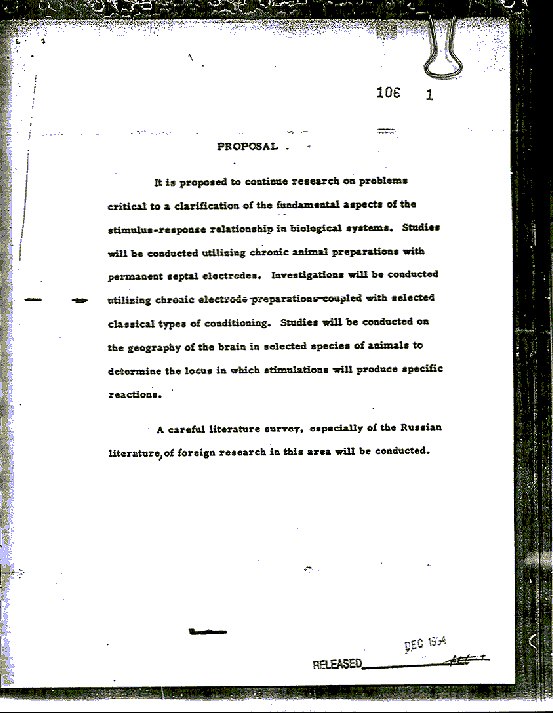
MKULTRA
The mind-control program was real.
 DocumentedDOSSIER 048
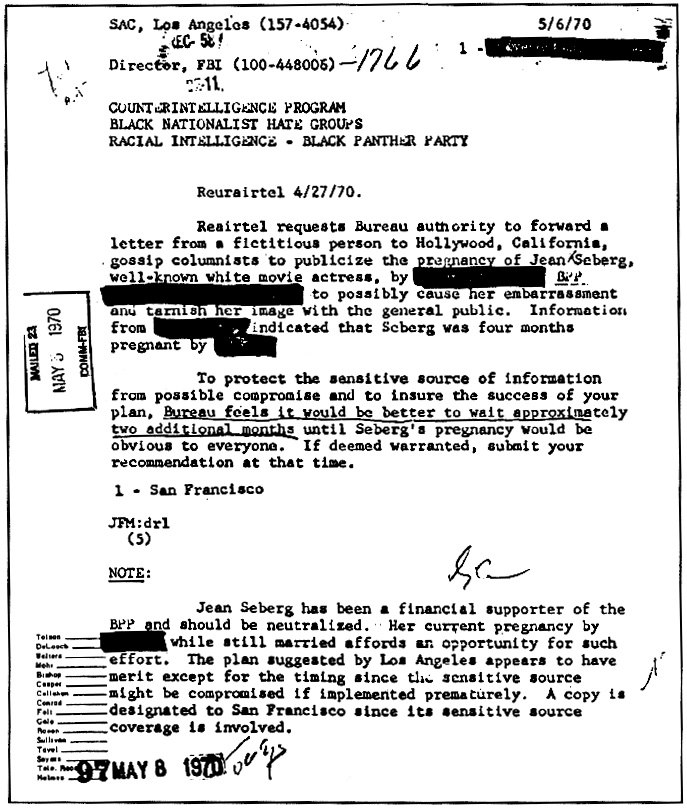
COINTELPRO
The bureau did more than watch.
 DocumentedDOSSIER 049
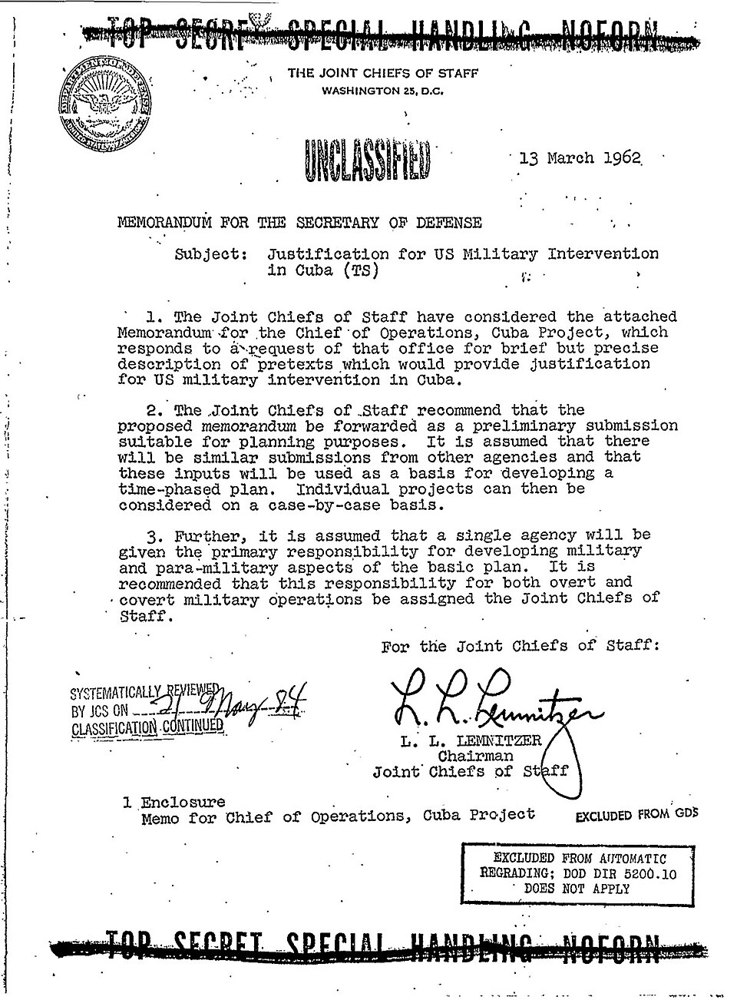
Operation Northwoods
The false flag existed as a proposal.