DOSSIER 056 / DOCUMENTED OPERATIONS
The tobacco deception
Doubt was a product, too.
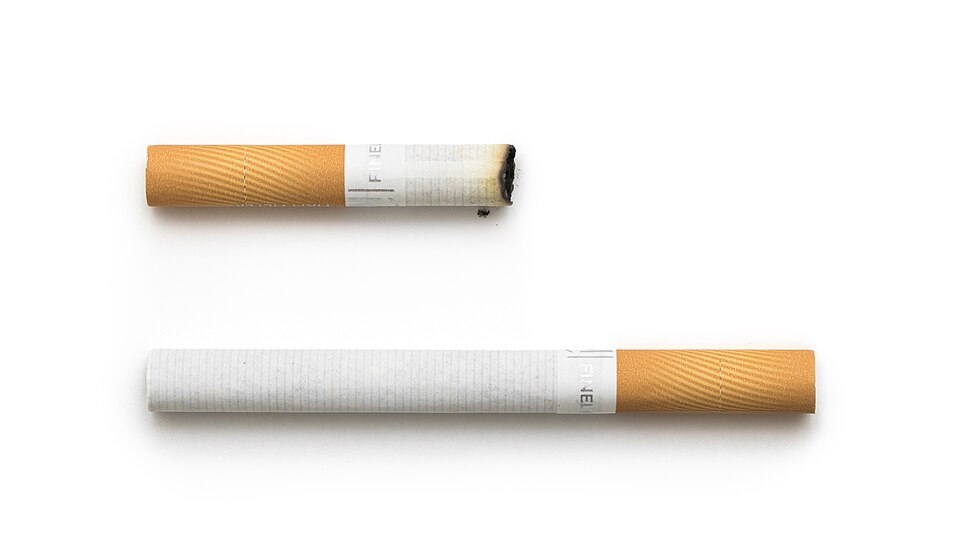
The public message offered doubt. The internal record showed companies learning about the same dangers they contested outside. Decades later, a court required the industry to speak more plainly about products it had spent years defending.
01 / The dispute becomes a racketeering case
The United States brought a civil racketeering action against major tobacco companies. Judge Gladys Kessler’s 2006 decision found a long pattern of deception about smoking and health. The Justice Department’s litigation collection provides the ruling and the course of later proceedings. This is not an allegation inferred from a cigarette advertisement alone; it is a finding grounded in a large record tested through litigation.
02 / The inside voice is in the company documents
Internal records and public statements let investigators compare what the companies knew with what consumers were told. Documents are particularly useful witnesses here: their date and intended audience can show whether a claim was public reassurance or private assessment. The litigation addressed subjects including addiction, disease, and misleading presentations of product risk. Each finding should be read in the scope of the court’s evidence, not expanded to every business or every scientific dispute.
03 / The concealment claim that was substantiated
Critics had argued that manufacturers protected sales by obscuring the health consequences and addictive character of smoking. The court record substantiated coordinated deceptive conduct by the defendants. That is the evidentiary difference between a broad suspicion of industry influence and this particular documented case. It also explains why some later audiences distrust corporate-funded reassurance before looking at the underlying studies.
04 / The defense, the decision, and the corrective words
The companies contested liability and remedies through litigation and appeals. The resulting corrective statements addressed health effects, addiction, and other topics that the court found had been misrepresented. The Department’s account of the remedies supplies the afterlife of the ruling: not just an exposed secret, but mandated information for consumers. The precedent supports vigilance about conflicts of interest; it does not prove that any disliked scientific conclusion is another tobacco-style deception.
The allegation, in brief
Major cigarette companies coordinated deceptive public claims about smoking, addiction, and health risks.
Where the archive stands
The US government’s racketeering case and court findings document the deception. Corrective statements were subsequently ordered. The judgment is the evidence trail, rather than a generalized claim about all industries.
When the strategy appears in internal records, the argument changes.
ARCHIVIST’S NOTE / EXPANDED RESEARCH: 02 OCT 2026
THE SHELF BEHIND THE FILE
For further reading
Take the longer trail. These are the books we would keep beside this file.
As an Amazon Associate I earn from qualifying purchases. Purchases through these links may earn this archive a commission.
- THE WATCHER’S
FAVORITE 01 / History of science
Merchants of Doubt
A documented trail of campaigns that turned scientific uncertainty into a political weapon.
Find editions on AmazonBook & source detailsWhy this pick?
Selected for its documented investigation of organized scientific doubt; reception and bibliography are on the publisher page.
The stamp is an editorial recommendation informed by published reviews, source quality, and relevance. It is not a claim about the highest Amazon customer rating. Selection source.
 02 / Medical / business history
The Cigarette Century
The industry’s internal records, marketing, and long fight against regulation.
View book on AmazonBook & source details
A place on this shelf is not a verdict on every claim inside. Selection checked 2 October 2026. Cover artwork belongs to its respective rights holders; cover sources & editions. Covers identify a selected edition; Amazon lists current editions, availability, and prices.
A QUESTION LEFT IN THE MARGIN / EDITORIAL PROMPT
Bring one source.
Which internal document most clearly separates private knowledge from the public message?
A useful first note: the source, what it establishes, and what it leaves open.
FOLLOW ANOTHER THREAD
Adjacent files
 DocumentedDOSSIER 047
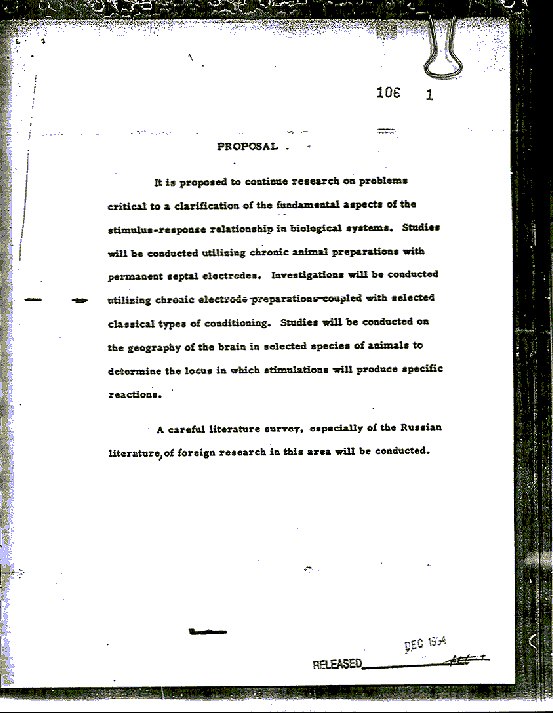
MKULTRA
The mind-control program was real.
 DocumentedDOSSIER 048
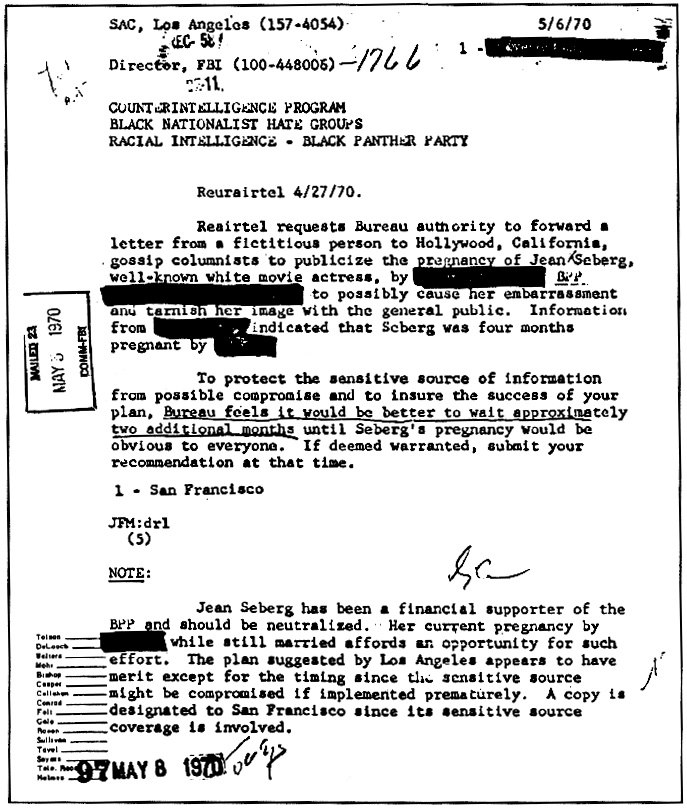
COINTELPRO
The bureau did more than watch.
 DocumentedDOSSIER 049
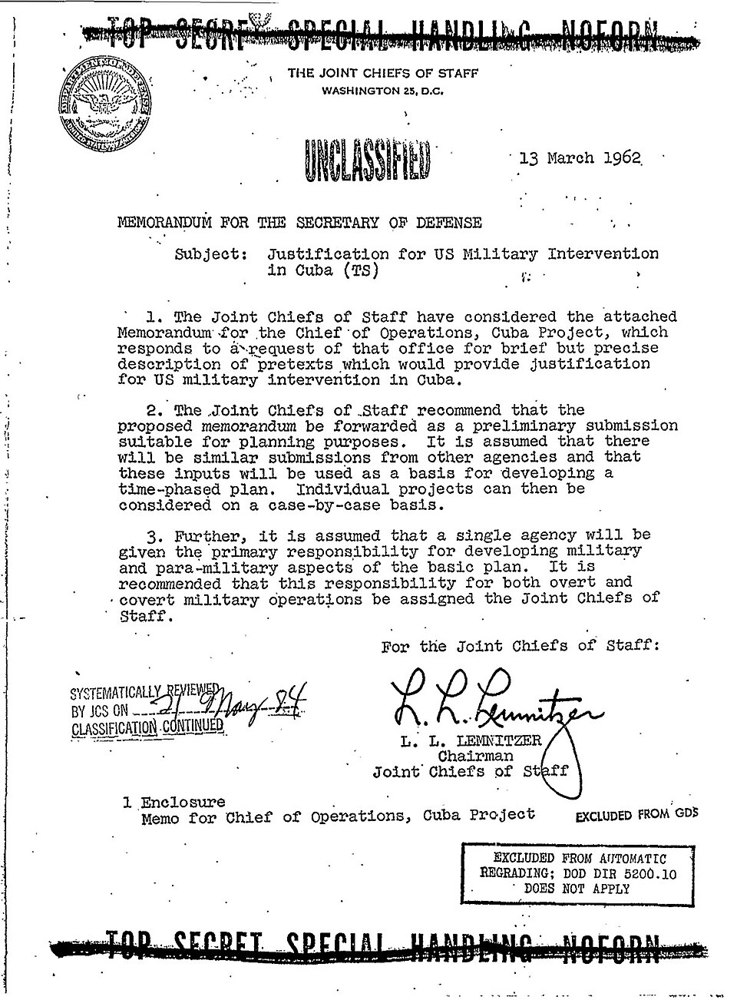
Operation Northwoods
The false flag existed as a proposal.