DOSSIER 048 / DOCUMENTED OPERATIONS
COINTELPRO
The bureau did more than watch.
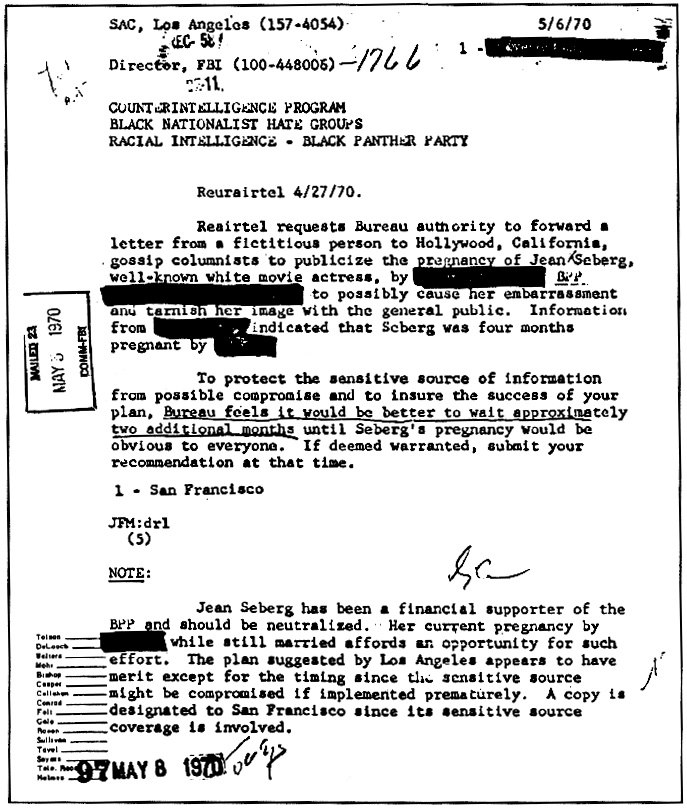
In 1971, burglars took files from an FBI office in Media, Pennsylvania. What reached the press was not a theory about government interference. It was part of the government’s own record of interfering with political activity.
01 / From a secret program to stolen files
COINTELPRO began in 1956 and expanded across several targeted movements. The FBI’s retrospective history acknowledges the program and the role of the Media burglary in exposure. The Church Committee’s detailed report examines covert disruption, including deception and attempts to damage organizations and relationships. These were activities beyond the ordinary collection of information for a criminal investigation.
02 / Read the proposed act, then its authorization
The staff report preserves examples of communications between field offices and headquarters. They let a reader follow the bureaucratic voice of an operation: identify a target, suggest an intervention, request approval. That is unusually strong inside evidence. An official proposal still needs to be distinguished from an action actually carried out, and an intended effect from an independently measured result.
03 / The distrust that was earned
Activists who suspected infiltration and sabotage were not automatically imagining it. The records document interference with lawful activity and efforts to weaken opponents through covert means. For believers in wider state repression, COINTELPRO supplies an established precedent. Its force comes from those specific records, not merely the name. The precedent justifies demanding evidence and oversight of later operations.
04 / The limits of using a precedent
An internal dispute in a contemporary movement is not proved to be an FBI operation because earlier movements were targeted. A new allegation still needs an agent, instruction, payment, record, or corroborated account. The agency’s explanation of security concerns also does not erase the abuses the committee documented. This file holds both standards together: acknowledge established misconduct and ask new claims for their own trail.
The allegation, in brief
The FBI covertly infiltrated, disrupted, and discredited domestic political groups and individuals.
Where the archive stands
The Church Committee documented abuses against civil-rights and antiwar movements, among other targets. The records establish specific operations; they do not authenticate every subsequent allegation of government infiltration.
Name the operation, the target, and the document. That is where suspicion becomes a case.
ARCHIVIST’S NOTE / EXPANDED RESEARCH: 02 OCT 2026
THE SHELF BEHIND THE FILE
For further reading
Take the longer trail. These are the books we would keep beside this file.
As an Amazon Associate I earn from qualifying purchases. Purchases through these links may earn this archive a commission.
- THE WATCHER’S
FAVORITE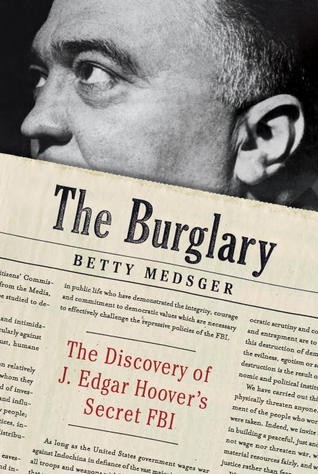 01 / Investigative history
The Burglary
The break-in that exposed the FBI’s secret machinery of domestic repression.
View book on AmazonBook & source detailsWhy this pick?
IRE Book Award winner; favorable New York Times Book Review reception, documented by the publisher.
The stamp is an editorial recommendation informed by published reviews, source quality, and relevance. It is not a claim about the highest Amazon customer rating. Selection source.
 02 / Historical scholarship
Conspiracies of Conspiracies
Follow the recurring hidden-hand stories through American history.
Find editions on AmazonBook & source details
A place on this shelf is not a verdict on every claim inside. Selection checked 2 October 2026. Cover artwork belongs to its respective rights holders; cover sources & editions. Covers identify a selected edition; Amazon lists current editions, availability, and prices.
A QUESTION LEFT IN THE MARGIN / EDITORIAL PROMPT
Bring one source.
Which disclosed tactic surprised you most? Bring the document that establishes it and distinguish it from later allegations.
A useful first note: the source, what it establishes, and what it leaves open.
FOLLOW ANOTHER THREAD
Adjacent files
 ContestedDOSSIER 026
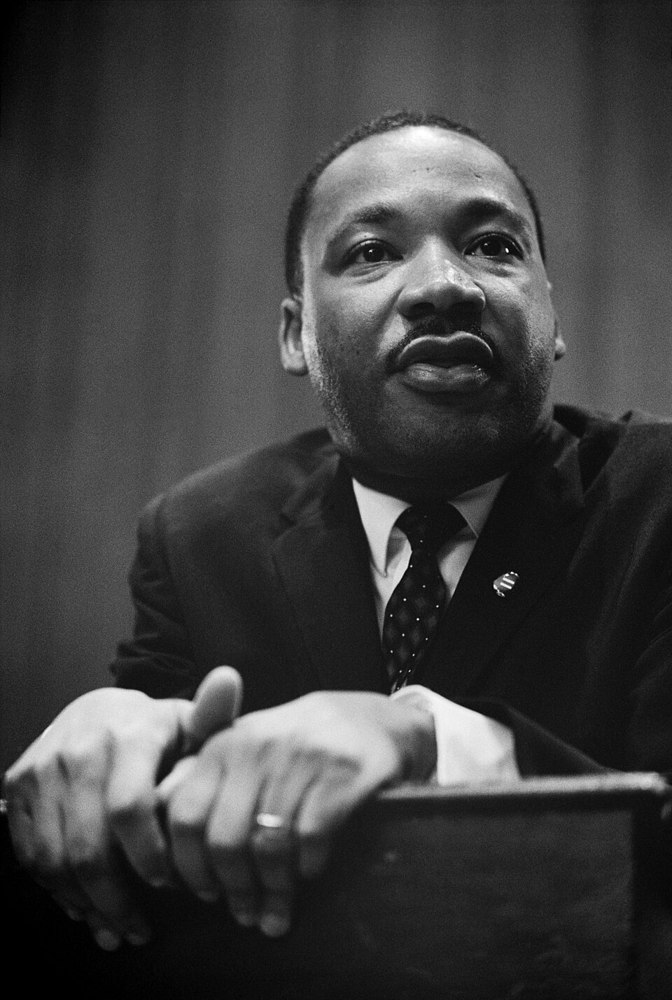
Martin Luther King Jr.: conspiracy claims
An assassination, and the agencies already watching him.
 DocumentedDOSSIER 047
MKULTRA
The mind-control program was real.
 DocumentedDOSSIER 049
Operation Northwoods
The false flag existed as a proposal.