DOSSIER 059 / DOCUMENTED OPERATIONS
Project MINARET
The watch list reached into American life.
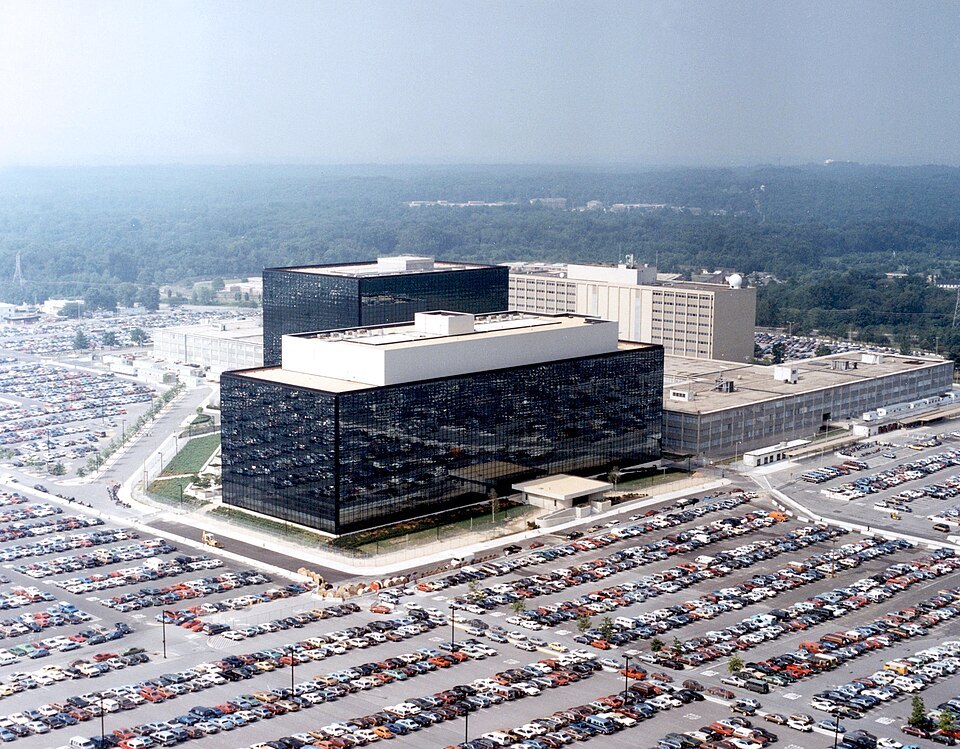
The name on the list was the trigger. People known publicly for dissent, civil rights, or a prominent career could become subjects of secret attention when their names appeared in intercepted communications.
01 / The watch list grows beyond foreign targets
MINARET was the NSA watch-list activity associated with the late 1960s and early 1970s. Declassified agency history identifies prominent Americans among the names, including Martin Luther King Jr. and Muhammad Ali. Other agencies supplied watch-list requests. The mechanism was not the same as assigning a separate microphone to each person: analysts sought references in communications already intercepted.
02 / The people in the record and the officials answering for it
The named targets give the program an individual human scale. NSA Director Lew Allen’s appearances before the Church Committee and the agency’s later history document the inquiry into the activity. Snider’s recollections describe the difficult process of making the program available for legislative examination. These sources preserve voices from the oversight process; they do not pretend every target knew enough at the time to describe their own surveillance.
03 / Why critics saw political monitoring
When famous domestic critics appear on a secret list, the claim of a purely foreign-intelligence purpose becomes a question to test rather than an answer to accept. The record gives civil-liberties concerns a concrete program, period, and set of procedures. It supports inquiry into how dissent became a selection criterion and what protections failed.
04 / Do not merge all collection into one operation
SHAMROCK concerned an acquisition channel; MINARET concerned watch-list selection and reporting. Both appear in the committee’s NSA inquiry, but their functions differ. The distinction makes the surveillance story more accurate and more useful. A later claim that a particular person is monitored still needs contemporary evidence. The historical program establishes that such intrusion occurred, without answering every present allegation by analogy.
The allegation, in brief
NSA surveillance used watch lists that included Americans associated with political activity.
Where the archive stands
Congressional investigations documented MINARET and its sharing of intercepted information. Its record is part of the history of intelligence abuses and subsequent oversight reforms.
The trouble was not an imagined eye in the sky. It was identifiable power without adequate checks.
ARCHIVIST’S NOTE / EXPANDED RESEARCH: 02 OCT 2026
THE SHELF BEHIND THE FILE
For further reading
Take the longer trail. These are the books we would keep beside this file.
As an Amazon Associate I earn from qualifying purchases. Purchases through these links may earn this archive a commission.
- THE WATCHER’S
FAVORITE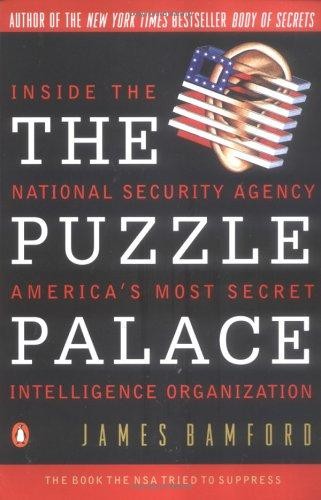 01 / Investigative history
The Puzzle Palace
The NSA’s institutional history and its hidden collection programs.
View book on AmazonBook & source detailsWhy this pick?
A foundational investigation of the NSA and its historical collection programs.
The stamp is an editorial recommendation informed by published reviews, source quality, and relevance. It is not a claim about the highest Amazon customer rating. Selection source.
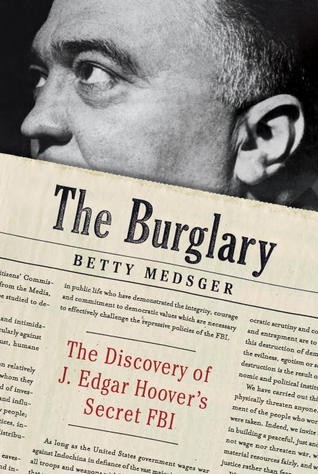 02 / Investigative history
The Burglary
The break-in that exposed the FBI’s secret machinery of domestic repression.
View book on AmazonBook & source details
A place on this shelf is not a verdict on every claim inside. Selection checked 2 October 2026. Cover artwork belongs to its respective rights holders; cover sources & editions. Covers identify a selected edition; Amazon lists current editions, availability, and prices.
A QUESTION LEFT IN THE MARGIN / EDITORIAL PROMPT
Bring one source.
Which record establishes the watch-list practice, and what does it reveal about oversight?
A useful first note: the source, what it establishes, and what it leaves open.
FOLLOW ANOTHER THREAD
Adjacent files
 ContestedDOSSIER 026
Martin Luther King Jr.: conspiracy claims
An assassination, and the agencies already watching him.
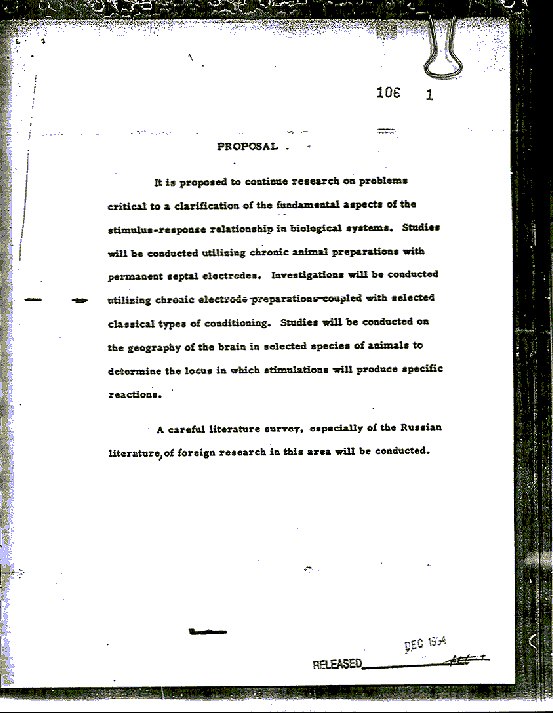 DocumentedDOSSIER 047
MKULTRA
The mind-control program was real.
 DocumentedDOSSIER 048
COINTELPRO
The bureau did more than watch.