DOSSIER 054 / DOCUMENTED OPERATIONS
NSA bulk telephone records
The surveillance story had a paper trail.
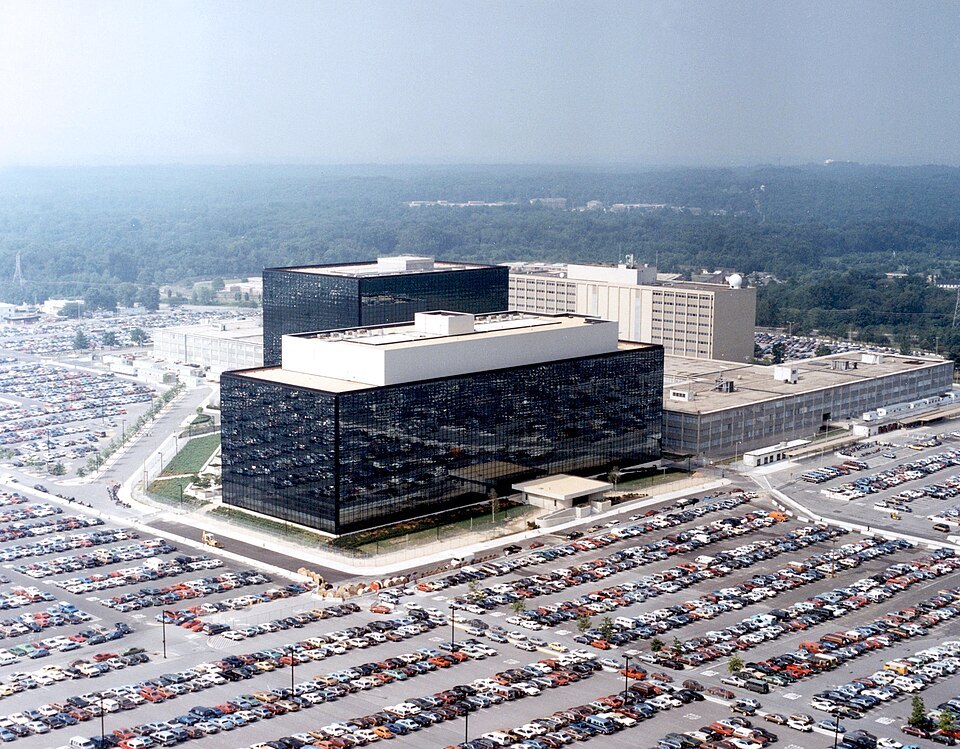
The records were not the words spoken on a call. They were the details around it: numbers, time, and duration. The dispute asked how much of a person’s life can be exposed without listening to the conversation itself.
01 / The bulk program becomes public
The disclosure of the telephone-records program in 2013 led to public debate and an independent oversight review. PCLOB’s 2014 report describes collection under Section 215 and the way analysts queried stored records. A bulk collection program and a particular analyst’s query are different stages. Understanding that structure matters both to measuring intrusion and to evaluating official claims of utility.
02 / The inside account meets oversight
The oversight board examined documents, heard officials, and assessed the claimed contribution of the program. Its report includes majority conclusions and separate views, allowing the reader to hear disagreement within the review rather than assume the board spoke with one undifferentiated voice. This is a stronger record than a general assurance that surveillance is necessary or a general fear that every conversation was being heard.
03 / Why privacy critics called metadata consequential
Patterns of contact can reveal associations and routines even without content. Critics therefore challenged the suggestion that collecting only metadata made the program a minor intrusion. PCLOB’s majority also questioned its legal basis and its demonstrated counterterrorism value. Those conclusions concern this particular program. They should not be expanded into a finding that every surveillance method is unlawful or ineffective.
04 / The security case and its evidentiary test
Officials argued that broad records helped identify connections in terrorism investigations. The appropriate test is what the program contributed beyond available alternatives, under what rules, and with what oversight. The 2014 report is a historical assessment, not a description of every later authority or present practice. This file documents the bulk program and the dispute around it, while leaving contemporary surveillance allegations to be checked against contemporary records.
The allegation, in brief
The government collected telephone metadata at large scale under a contested legal framework.
Where the archive stands
PCLOB’s public reports examine the Section 215 program, its legality, and its value. Metadata collection is distinct from recording the contents of every telephone conversation.
Scope matters. Do not turn a documented surveillance system into an unlimited one.
ARCHIVIST’S NOTE / EXPANDED RESEARCH: 02 OCT 2026
THE SHELF BEHIND THE FILE
For further reading
Take the longer trail. These are the books we would keep beside this file.
As an Amazon Associate I earn from qualifying purchases. Purchases through these links may earn this archive a commission.
- THE WATCHER’S
FAVORITE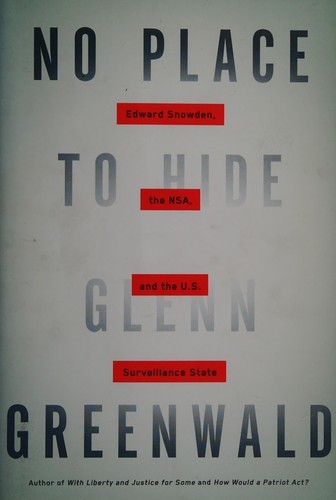 01 / Reporter’s firsthand account
No Place to Hide
The Snowden documents and the journalist’s argument about mass surveillance.
Find editions on AmazonBook & source detailsWhy this pick?
Selected for direct access to the Snowden documents and firsthand reporting; the author also advances an explicit argument.
The stamp is an editorial recommendation informed by published reviews, source quality, and relevance. It is not a claim about the highest Amazon customer rating. Selection source.
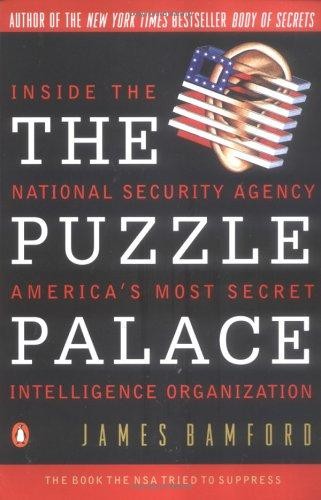 02 / Investigative history
The Puzzle Palace
The NSA’s institutional history and its hidden collection programs.
View book on AmazonBook & source details
A place on this shelf is not a verdict on every claim inside. Selection checked 2 October 2026. Cover artwork belongs to its respective rights holders; cover sources & editions. Covers identify a selected edition; Amazon lists current editions, availability, and prices.
A QUESTION LEFT IN THE MARGIN / EDITORIAL PROMPT
Bring one source.
What did the disclosed program collect? How does that differ from the broader surveillance claims commonly attached to it?
A useful first note: the source, what it establishes, and what it leaves open.
FOLLOW ANOTHER THREAD
Adjacent files
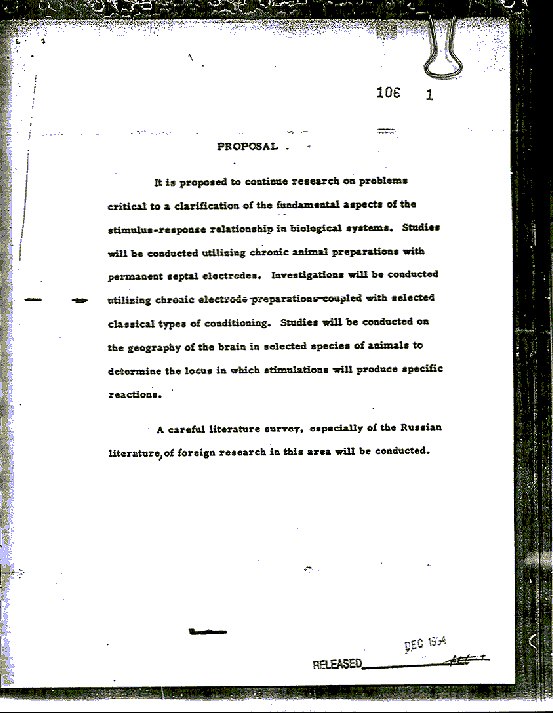 DocumentedDOSSIER 047
MKULTRA
The mind-control program was real.
 DocumentedDOSSIER 048
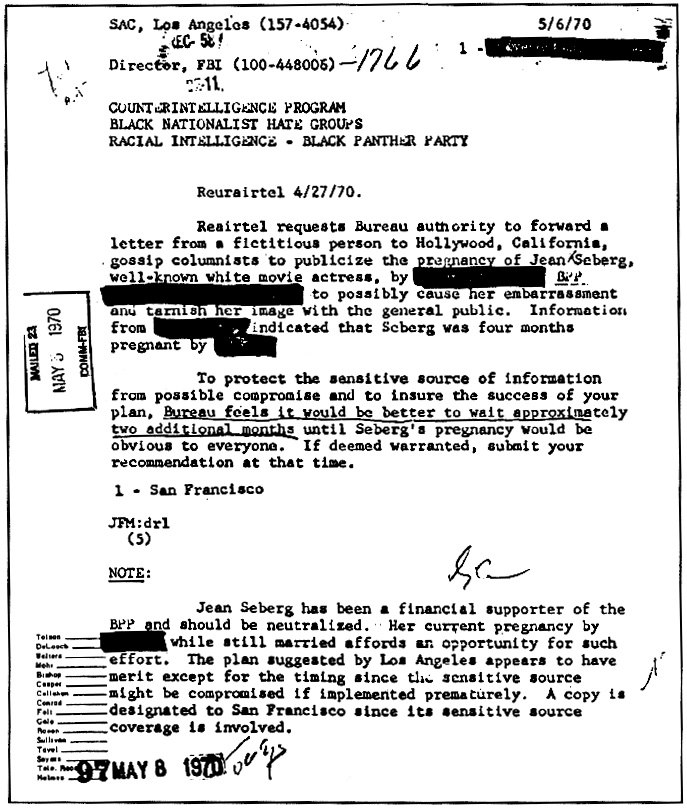
COINTELPRO
The bureau did more than watch.
 DocumentedDOSSIER 049
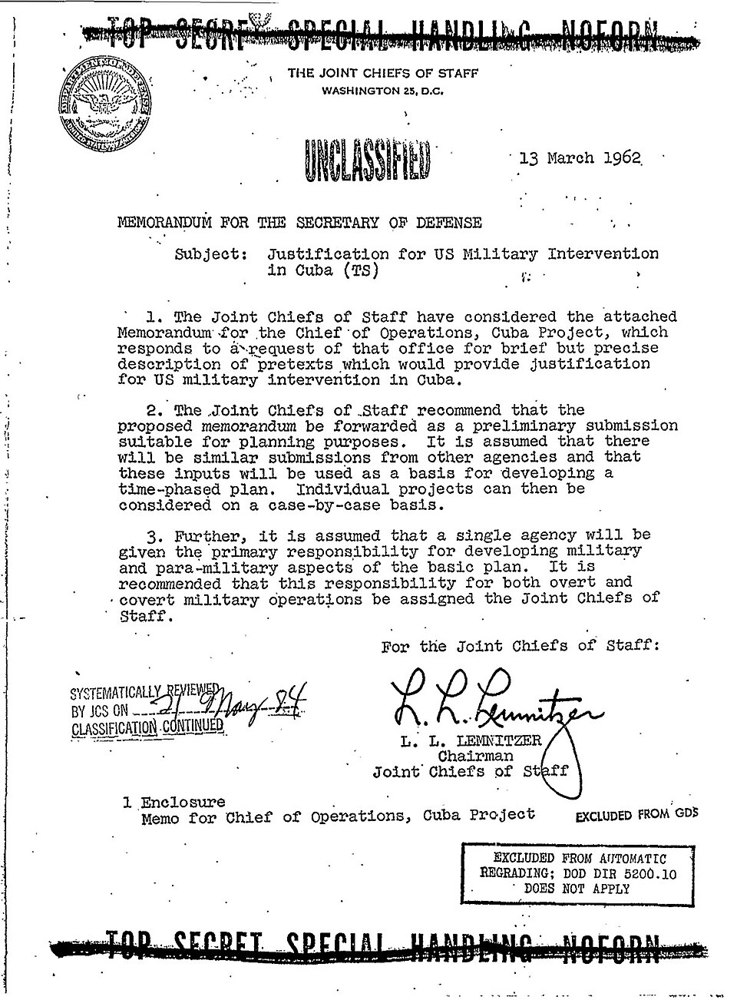
Operation Northwoods
The false flag existed as a proposal.