DOSSIER 060 / DOCUMENTED OPERATIONS
CIA relationships with journalists
The relationship was acknowledged. The legend grew wider.

A reporter asks questions for the public. An intelligence service wants information, access, and sometimes influence. When those roles overlap in secret, an audience loses the ability to judge whose purpose the relationship serves.
01 / The relationship and the policy response
The 1970s investigations examined intelligence relationships with journalists and media organizations. A 1976 CIA director’s statement announced limits on using certain American journalists. The primary policy document is more useful than a sweeping slogan about control of the press: its wording reveals which category it addresses and what kind of assurance the agency offered at that moment.
02 / The insider speaks through a public policy
The statement is the agency’s direct explanation, not an independent audit of every relationship. It establishes that the issue was concrete enough to require a policy response. It cannot authenticate every later list of alleged operatives. Similarly, a press article stored in the CIA reading room is evidence that the agency retained the article, not necessarily that the agency endorsed or commissioned it.
03 / The concern believers can support
Secret cooperation can compromise a source’s independence, give officials concealed routes of access, and place other reporters under suspicion. The documented historical relationships support those concerns. A much larger allegation claims centralized control of all news or treats any unfavorable reporting as a directed operation. That requires evidence of instructions and coordination for the particular reporting, rather than the historical existence of some relationships.
04 / Investigate the connection, not the profession
A strong inquiry identifies the journalist or institution, the arrangement, the dates, compensation if any, and the work performed. The distinction between gathering intelligence, supplying a cover role, and influencing published material matters. Critics should not deny established relationships; proponents should not use them to accuse an entire profession by association. The policy statement opens a defined historical trail. Follow its scope before enlarging the claim.
The allegation, in brief
Intelligence officials maintained relationships with people connected to news organizations.
Where the archive stands
A 1976 CIA policy statement acknowledges past relationships and announces limits on paid ties to accredited correspondents. This supports specific historical media connections, not a claim that every newsroom is centrally controlled.
The broad “Mockingbird” legend should not erase the narrower records that can actually be checked.
ARCHIVIST’S NOTE / EXPANDED RESEARCH: 02 OCT 2026
THE SHELF BEHIND THE FILE
For further reading
Broader CIA and reporting history; follow the dossier’s documents for the specific journalist relationships.
As an Amazon Associate I earn from qualifying purchases. Purchases through these links may earn this archive a commission.
- THE WATCHER’S
FAVORITE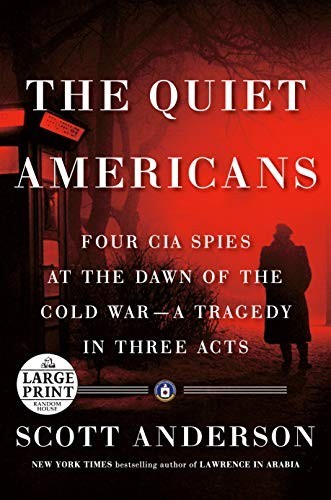 01 / Cold War history
The Quiet Americans
Four spies and the larger world of early CIA operations.
View book on AmazonBook & source detailsWhy this pick?
The publisher documents substantial favorable critical reception of this Cold War history.
The stamp is an editorial recommendation informed by published reviews, source quality, and relevance. It is not a claim about the highest Amazon customer rating. Selection source.
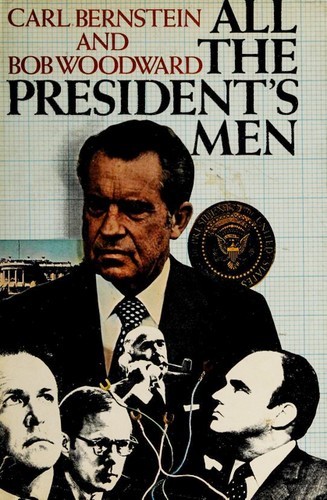 02 / Reporters’ firsthand account
All the President’s Men
How the Watergate reporting was built, source by source.
Find editions on AmazonBook & source details
A place on this shelf is not a verdict on every claim inside. Selection checked 2 October 2026. Cover artwork belongs to its respective rights holders; cover sources & editions. Covers identify a selected edition; Amazon lists current editions, availability, and prices.
A QUESTION LEFT IN THE MARGIN / EDITORIAL PROMPT
Bring one source.
Which relationship is documented in the cited material? Avoid turning one established relationship into a claim about all reporting.
A useful first note: the source, what it establishes, and what it leaves open.
FOLLOW ANOTHER THREAD
Adjacent files
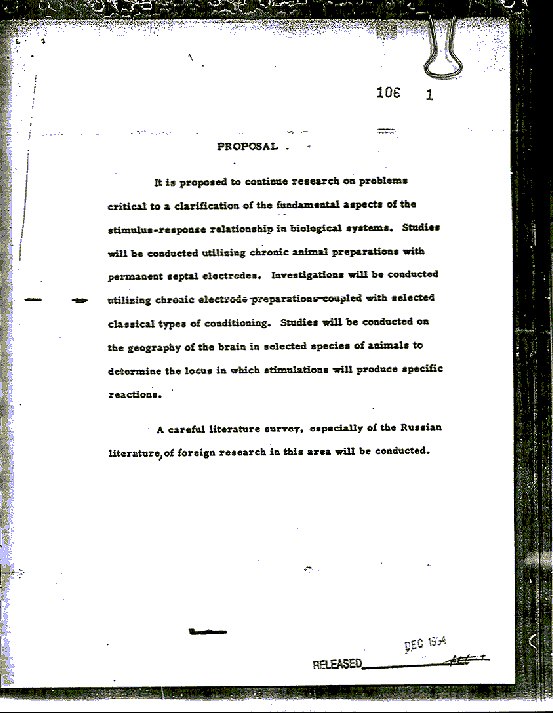 DocumentedDOSSIER 047
MKULTRA
The mind-control program was real.
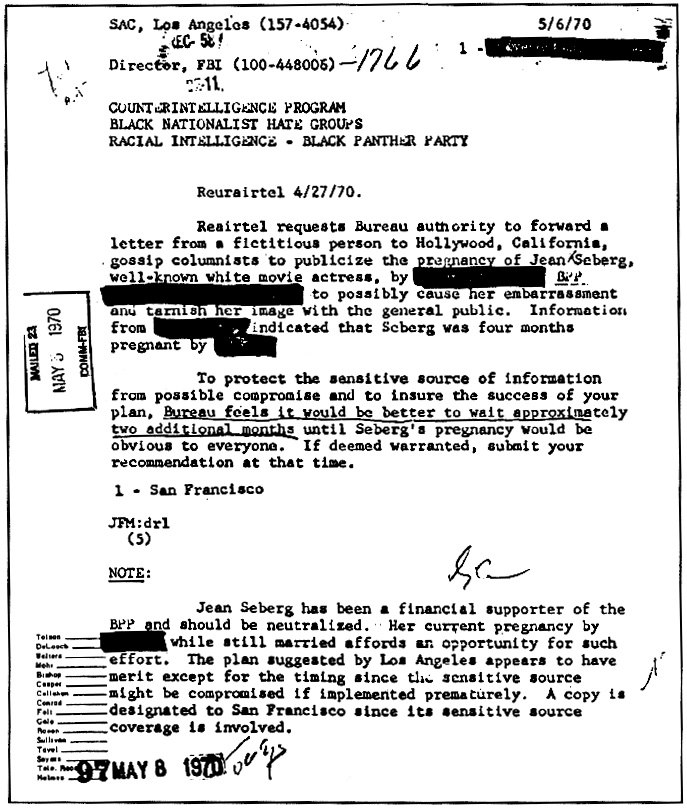 DocumentedDOSSIER 048
COINTELPRO
The bureau did more than watch.
 DocumentedDOSSIER 049
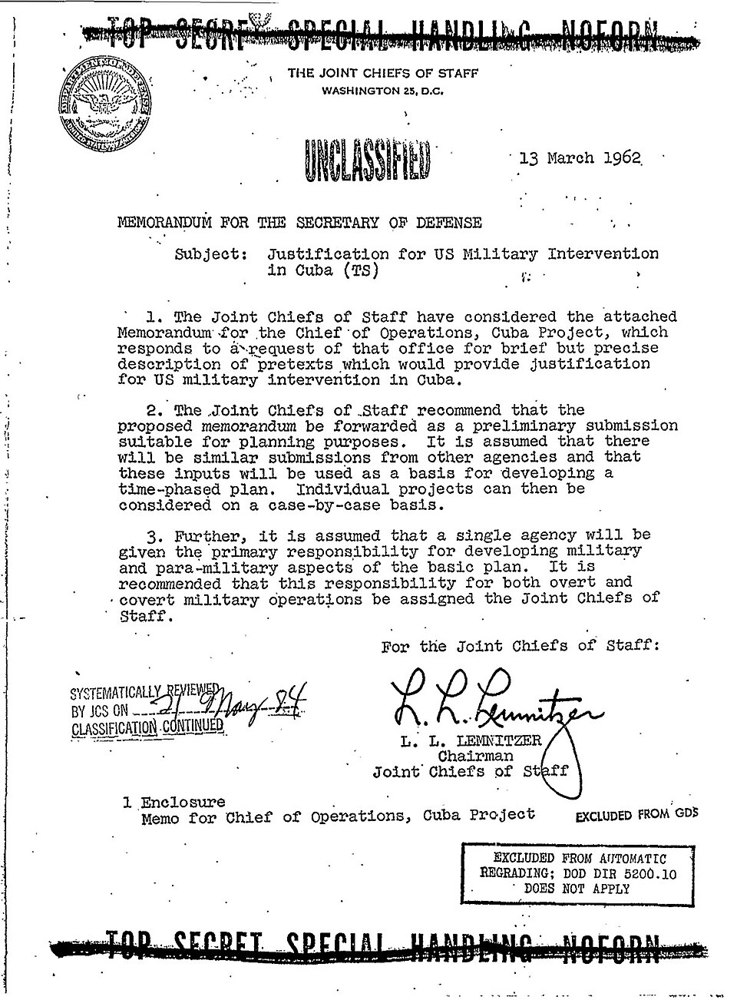
Operation Northwoods
The false flag existed as a proposal.