DOSSIER 050 / DOCUMENTED OPERATIONS
The Tuskegee study
Treatment existed. It was withheld.
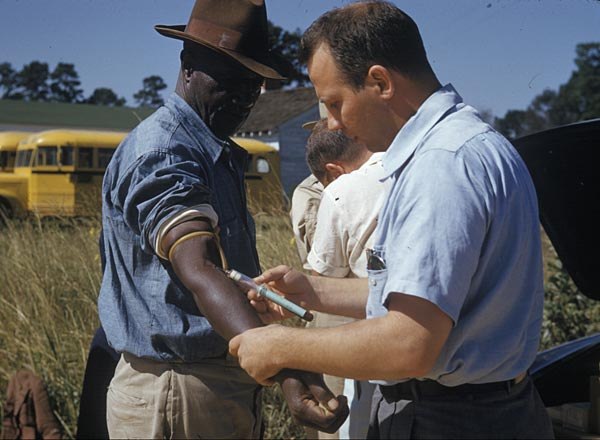
The men were offered care under the language of treatment. The study instead followed untreated disease. This is a file in which institutional reassurance was itself part of the betrayal, and the surviving participants lived long enough to hear a president acknowledge it.
01 / A study that kept going after treatment existed
Beginning in 1932, the US Public Health Service study in Macon County, Alabama, followed Black men with syphilis and a comparison group without it. The men were not given proper informed consent. Treatment was withheld even after penicillin became established therapy. Public exposure in 1972 brought the study to an end. CDC’s account identifies the central wrong plainly: observing untreated illness while misleading the participants about their care.
02 / The men behind the study number
The National Archives’ finding aid lists patient records, including those of Herman Shaw. Those files are individual medical histories, with privacy limits, not anonymous illustrations for a theory. At the 1997 White House apology, survivors and family members attended as President Clinton acknowledged the government’s conduct. The ceremony transcript names people whose experience had been reduced for years to a study designation.
03 / Why the case outlived the experiment
For communities asked to trust medical institutions, Tuskegee provides a documented reason why assurances may not be enough. The men’s vulnerability and the long continuation of the study show how misconduct can become routine within an organization. Invoking that history is not irrational in itself. It asks present institutions to show transparent evidence, informed consent, and accountable safeguards.
04 / Correct the myth without diminishing the crime
The study did not deliberately infect its participants with syphilis; it withheld treatment from men who already had it. That correction matters because the actual abuse is grave enough to describe accurately. Nor does this established misconduct prove a particular modern vaccine or hospital is conducting an unrelated covert experiment. The lesson is to inspect consent, treatment, and oversight in the present, while giving the historical victims their own factual story.
The allegation, in brief
Public Health Service researchers observed untreated syphilis in Black men without informed consent and failed to offer effective treatment.
Where the archive stands
CDC’s history acknowledges the study’s abuses. Participants were not deliberately infected with syphilis as part of this study; that frequent retelling confuses separate histories.
The accurate account is already an indictment. It does not need embellishment.
ARCHIVIST’S NOTE / EXPANDED RESEARCH: 02 OCT 2026
THE SHELF BEHIND THE FILE
For further reading
Take the longer trail. These are the books we would keep beside this file.
As an Amazon Associate I earn from qualifying purchases. Purchases through these links may earn this archive a commission.
- THE WATCHER’S
FAVORITE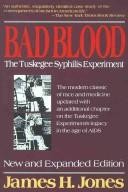 01 / Medical history
Bad Blood: The Tuskegee Syphilis Experiment
A detailed account of deception, racism, and treatment withheld at Tuskegee.
Find editions on AmazonBook & source detailsWhy this pick?
Selected as a foundational specialist history of the Tuskegee study.
The stamp is an editorial recommendation informed by published reviews, source quality, and relevance. It is not a claim about the highest Amazon customer rating. Selection source.
 02 / Science journalism
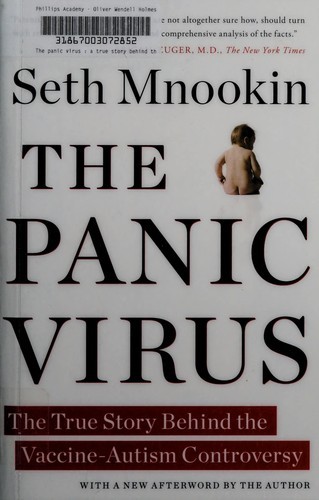
The Panic Virus
How the vaccine-autism allegation became a public-health crisis.
Find editions on AmazonBook & source details
A place on this shelf is not a verdict on every claim inside. Selection checked 2 October 2026. Cover artwork belongs to its respective rights holders; cover sources & editions. Covers identify a selected edition; Amazon lists current editions, availability, and prices.
A QUESTION LEFT IN THE MARGIN / EDITORIAL PROMPT
Bring one source.
Which record best explains how the deception continued? Keep the people harmed, and the treatment withheld, at the center of the discussion.
A useful first note: the source, what it establishes, and what it leaves open.
FOLLOW ANOTHER THREAD
Adjacent files
 DocumentedDOSSIER 047
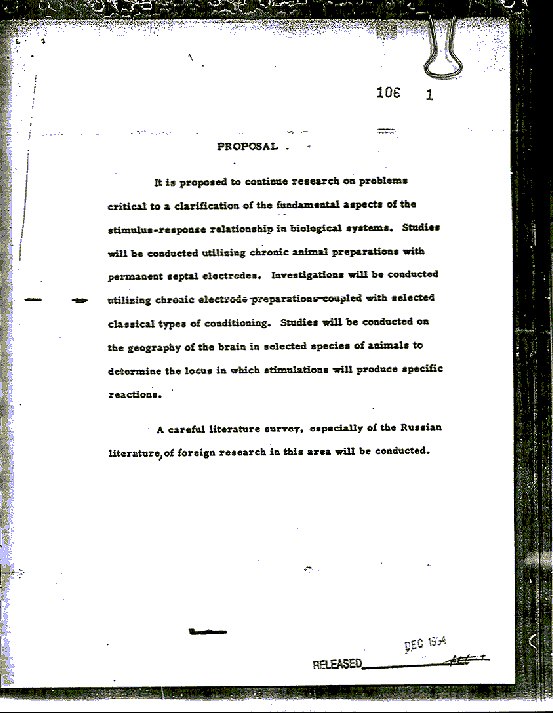
MKULTRA
The mind-control program was real.
 DocumentedDOSSIER 048
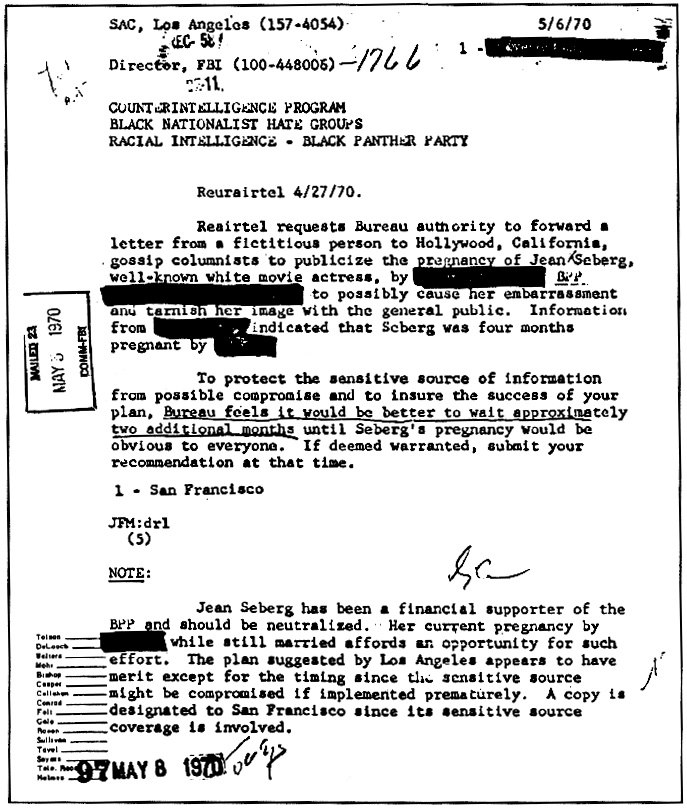
COINTELPRO
The bureau did more than watch.
 DocumentedDOSSIER 049
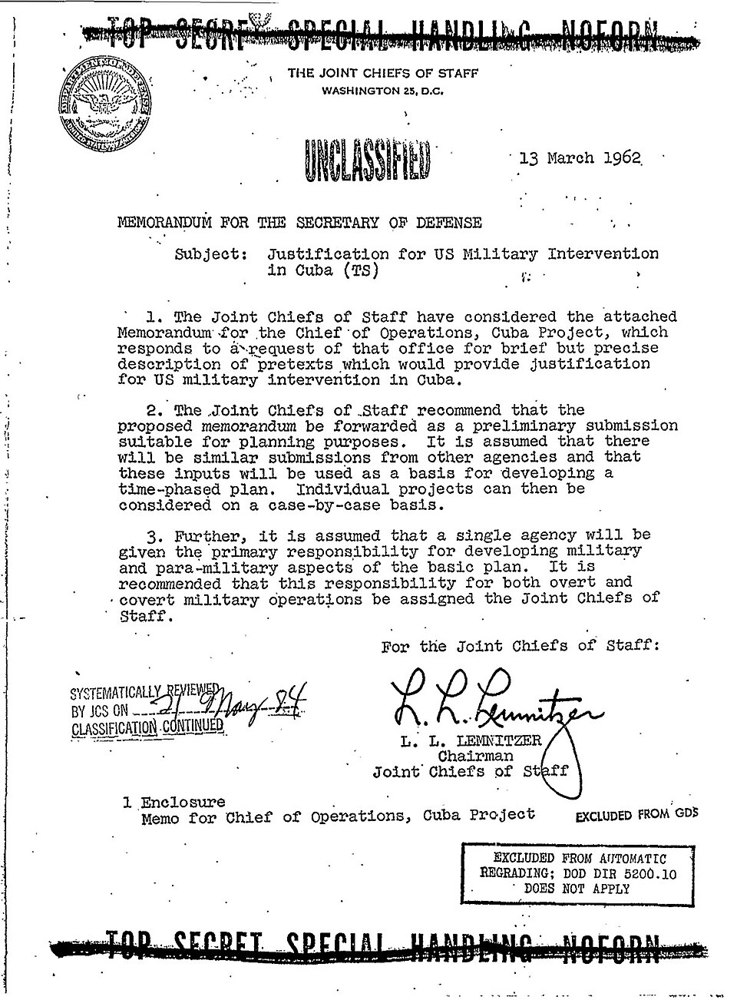
Operation Northwoods
The false flag existed as a proposal.