DOSSIER 053 / DOCUMENTED OPERATIONS
Iran-Contra
Two covert channels. One public scandal.
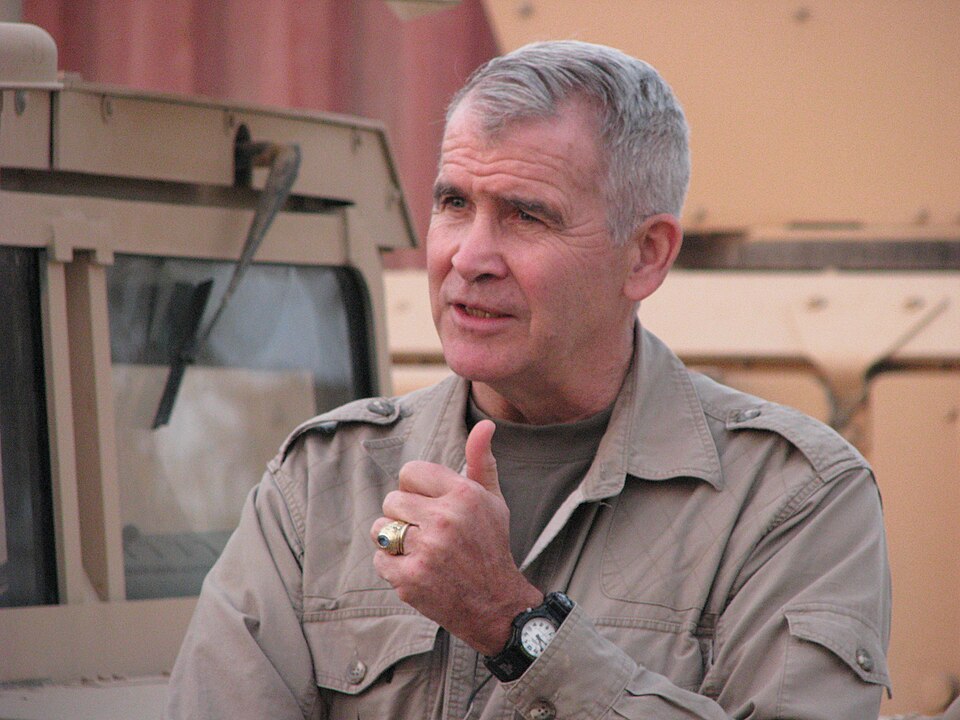
Hostages, weapons, and a war in Nicaragua became entangled in a concealed chain of transactions. When the chain surfaced, officials argued not only about what had happened but about who had known, authorized, or merely assumed the president would approve.
01 / Two policies joined by a diversion
The Iran-Contra affair involved arms dealings with Iran and the diversion of proceeds to support the Nicaraguan contras. Congressional restrictions and the administration’s public positions made the secret arrangements consequential. The Reagan Library’s collection provides records across the investigations, rather than a single retrospective account. Following a transfer of funds is a different task from reconstructing the president’s knowledge of it.
02 / The president’s explanations change
In his March 1987 address, Reagan acknowledged that the facts conflicted with his earlier denial of trading arms for hostages. After the congressional hearings, his August address discussed North and Poindexter’s account that they believed they were doing what he wanted. These speeches are primary statements by the president at two stages of the scandal. They can be compared with the investigative record rather than accepted as the complete account.
03 / What believers in executive circumvention saw
Critics saw an administration using concealed channels to pursue policies constrained by Congress. The documented transactions give that concern a factual foundation. Disputes remained over authorization, awareness, and responsibility at different levels. An official’s claim to have acted in the president’s presumed interest is not the same as evidence of a particular prior instruction, even when it reveals a culture that encouraged circumvention.
04 / The defense does not erase the transaction
The administration defended humanitarian and geopolitical intentions, especially the desire to free hostages and sustain opposition to Nicaragua’s government. Those arguments explain how participants justified actions; they do not dissolve questions about concealment or legality. Read dates, approvals, and transfers together. The affair is established history, while each wider claim about an enduring off-books government still needs evidence beyond the existence of these particular secret arrangements.
The allegation, in brief
US officials participated in secret arms dealings with Iran and support for the Nicaraguan Contras, including diversion of proceeds.
Where the archive stands
The Reagan Library holds extensive records of the affair and its investigations. Specific findings and individual legal outcomes should be read on their own terms.
A historical scandal has dates and transactions, not just a list of powerful names.
ARCHIVIST’S NOTE / EXPANDED RESEARCH: 02 OCT 2026
THE SHELF BEHIND THE FILE
For further reading
Take the longer trail. These are the books we would keep beside this file.
As an Amazon Associate I earn from qualifying purchases. Purchases through these links may earn this archive a commission.
- THE WATCHER’S
FAVORITE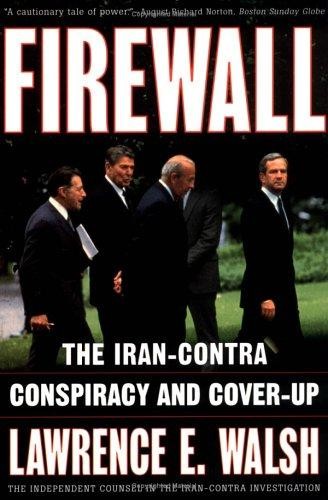 01 / Independent counsel’s account
Firewall: The Iran-Contra Conspiracy and Cover-up
The investigation as told by the independent counsel who led it.
Find editions on AmazonBibliographic recordWhy this pick?
Selected as the independent counsel’s firsthand account, rather than a neutral account of every side.
The stamp is an editorial recommendation informed by published reviews, source quality, and relevance. It is not a claim about the highest Amazon customer rating. Selection source.
 02 / Cold War history
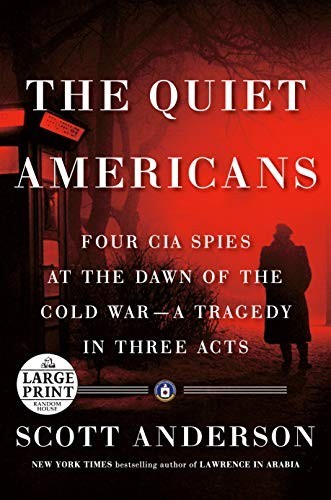
The Quiet Americans
Four spies and the larger world of early CIA operations.
View book on AmazonBook & source details
A place on this shelf is not a verdict on every claim inside. Selection checked 2 October 2026. Cover artwork belongs to its respective rights holders; cover sources & editions. Covers identify a selected edition; Amazon lists current editions, availability, and prices.
A QUESTION LEFT IN THE MARGIN / EDITORIAL PROMPT
Bring one source.
Which finding establishes an action, and which records the investigator’s interpretation of responsibility?
A useful first note: the source, what it establishes, and what it leaves open.
FOLLOW ANOTHER THREAD
Adjacent files
 DocumentedDOSSIER 047
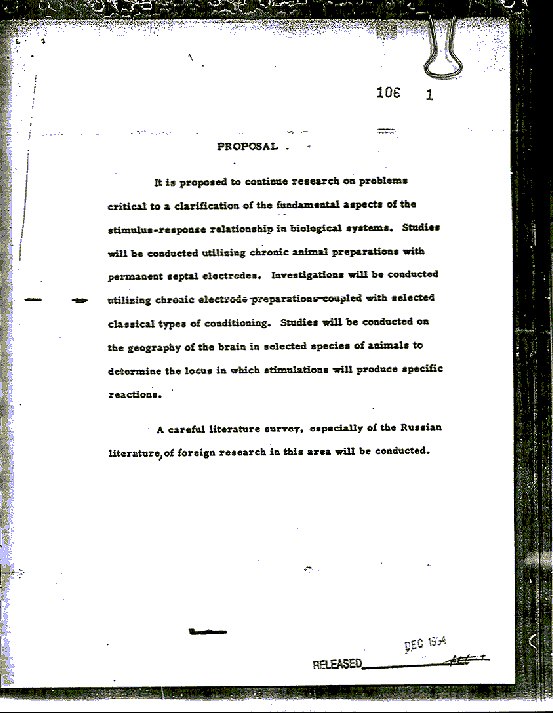
MKULTRA
The mind-control program was real.
 DocumentedDOSSIER 048
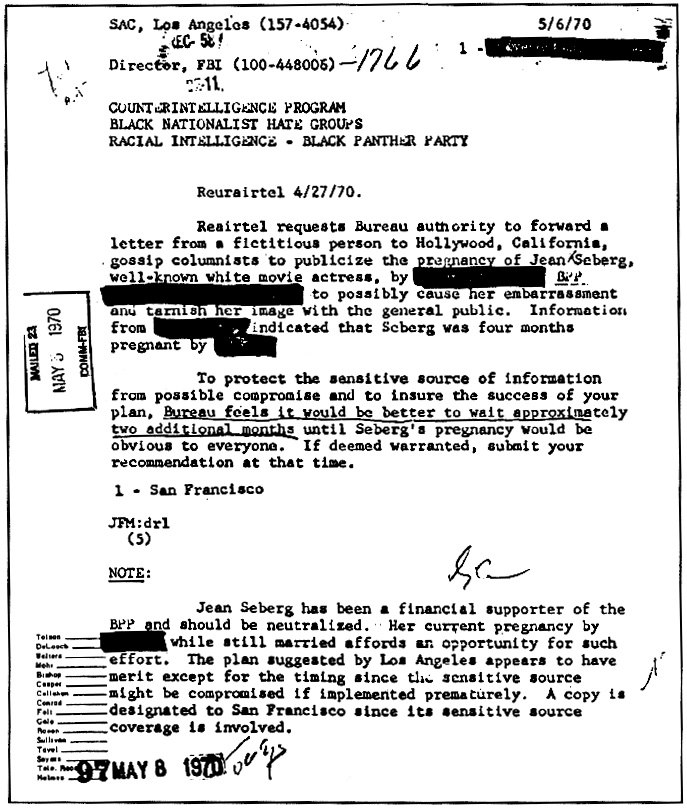
COINTELPRO
The bureau did more than watch.
 DocumentedDOSSIER 049
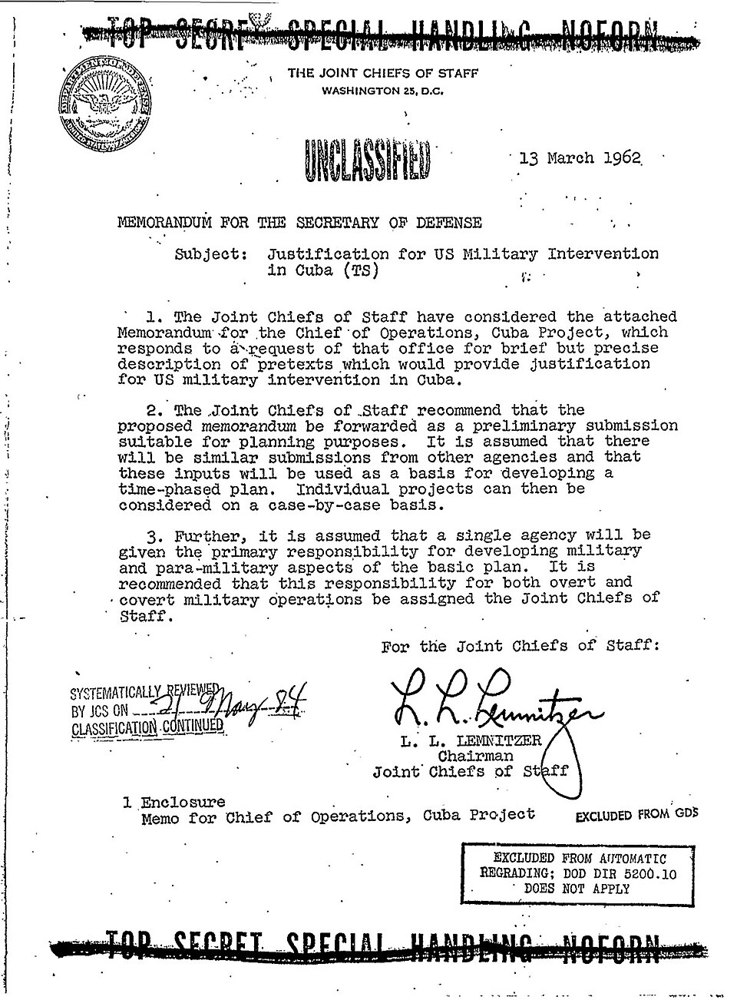
Operation Northwoods
The false flag existed as a proposal.