DOSSIER 055 / DOCUMENTED OPERATIONS
The second Gulf of Tonkin attack
An uncertain signal became a reason for escalation.
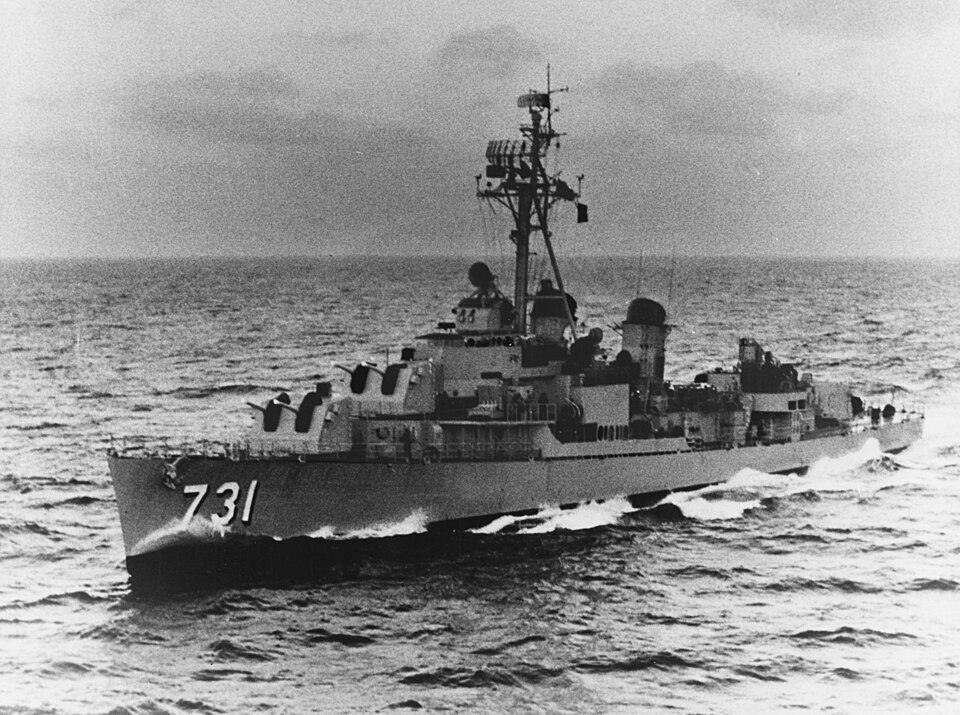
One engagement occurred. The second reported engagement became the basis for an enormous escalation, despite doubts sent from the ships themselves. The difference between the two nights is the heart of this file.
01 / Two dates that should never be merged
On 2 August 1964, USS Maddox engaged North Vietnamese patrol boats. Reports of another attack on 4 August were treated as evidence for retaliation and expanded presidential authority. The Tonkin Gulf Resolution followed. The National Archives’ historical account distinguishes the first attack from the second and points to the later NSA analysis concluding that the reported 4 August attack did not occur.
02 / The doubt came from the operational witness
Captain John Herrick’s message raised the possibility that unusual weather effects and overeager sonar interpretation accounted for reports. That was not merely a critic’s hindsight. It was uncertainty communicated from the force involved. The importance of the message lies in its timing: officials faced competing information before presenting a confident public account.
03 / The argument about a manufactured justification
Critics argue that uncertainty was suppressed or selectively handled to secure authority for an expanding war. The declassified record supports a serious examination of how intelligence was assembled and represented. This is stronger than a claim based solely on the political benefit of escalation. It follows the information that existed, the caveats attached to it, and the public action taken.
04 / The precise finding matters
The evidence against the second attack does not mean the first attack was imaginary. Nor does it settle every individual official’s knowledge or intention through one phrase. Separate mistaken detection, distorted assessment, and deliberate public deception, then ask which documents support each. The historical failure is large enough without erasing the distinction between an actual engagement and a reported one that did not happen.
The allegation, in brief
The reported 4 August attack was challenged as misread or misrepresented intelligence.
Where the archive stands
NSA’s declassified historical material supports that the second reported attack did not occur as described and examines intelligence handling. This must be distinguished from the separate 2 August engagement.
Two dates. Two different evidentiary records.
ARCHIVIST’S NOTE / EXPANDED RESEARCH: 02 OCT 2026
THE SHELF BEHIND THE FILE
For further reading
Take the longer trail. These are the books we would keep beside this file.
As an Amazon Associate I earn from qualifying purchases. Purchases through these links may earn this archive a commission.
- THE WATCHER’S
FAVORITE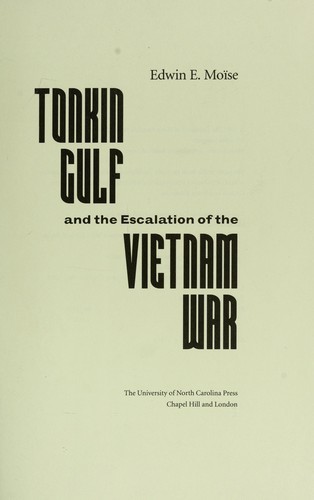 01 / Military scholarship
Tonkin Gulf and the Escalation of the Vietnam War
A close examination of the incidents used to justify escalation.
Find editions on AmazonBook & source detailsWhy this pick?
Specialist archival scholarship combining official records and participant interviews.
The stamp is an editorial recommendation informed by published reviews, source quality, and relevance. It is not a claim about the highest Amazon customer rating. Selection source.
 02 / Investigative history
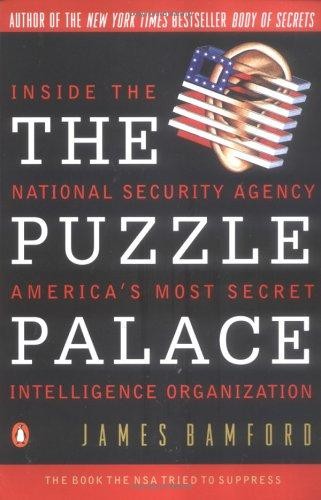
The Puzzle Palace
The NSA’s institutional history and its hidden collection programs.
View book on AmazonBook & source details
A place on this shelf is not a verdict on every claim inside. Selection checked 2 October 2026. Cover artwork belongs to its respective rights holders; cover sources & editions. Covers identify a selected edition; Amazon lists current editions, availability, and prices.
A QUESTION LEFT IN THE MARGIN / EDITORIAL PROMPT
Bring one source.
Which evidence separates the two reported incidents, and why does that distinction matter?
A useful first note: the source, what it establishes, and what it leaves open.
FOLLOW ANOTHER THREAD
Adjacent files
 DocumentedDOSSIER 047
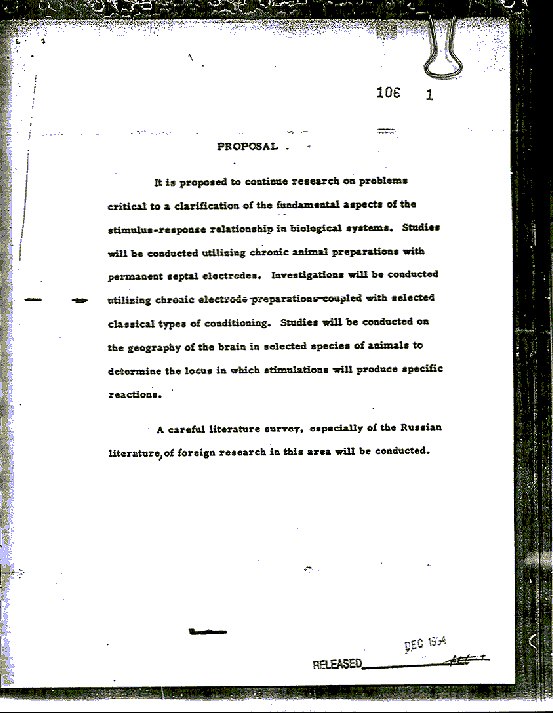
MKULTRA
The mind-control program was real.
 DocumentedDOSSIER 048
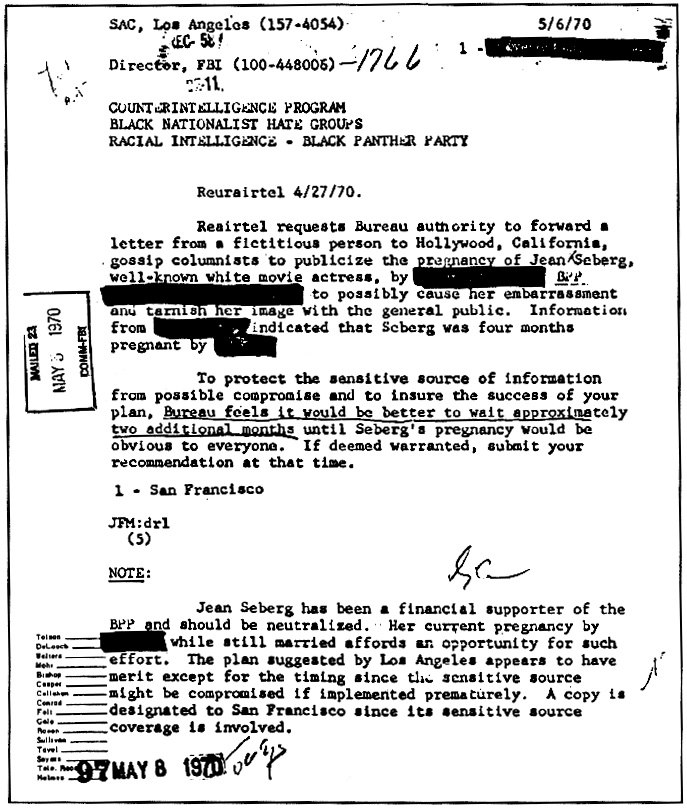
COINTELPRO
The bureau did more than watch.
 DocumentedDOSSIER 049
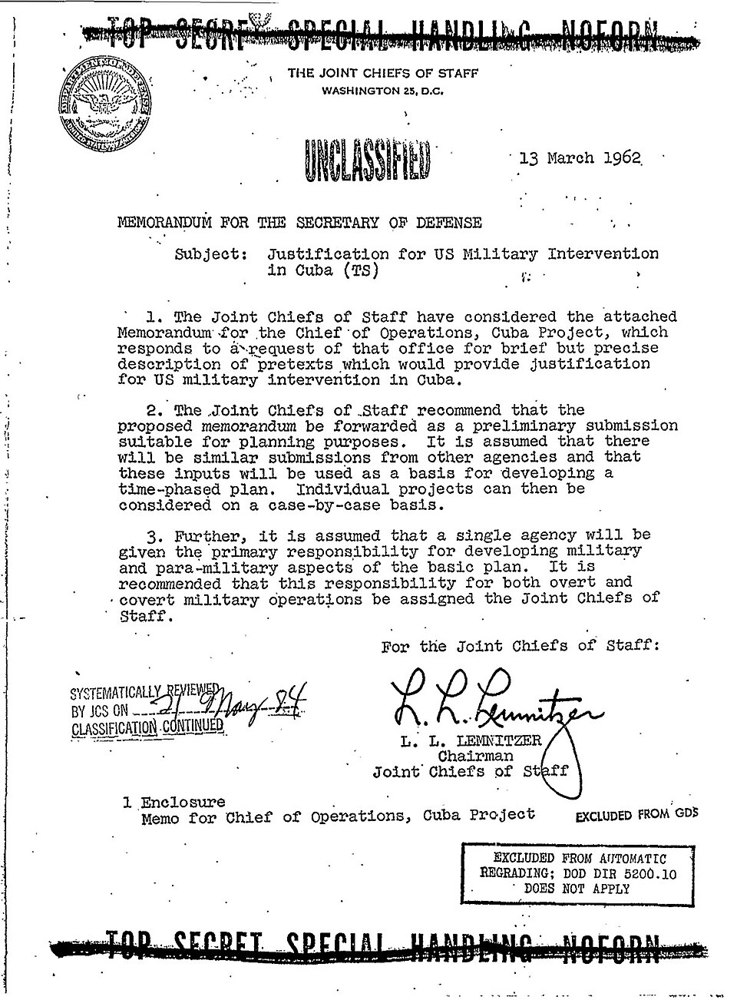
Operation Northwoods
The false flag existed as a proposal.