DOSSIER 028 / HISTORY & TRAGEDY
Pearl Harbor: the foreknowledge claim
Warnings missed are recast as an attack permitted.
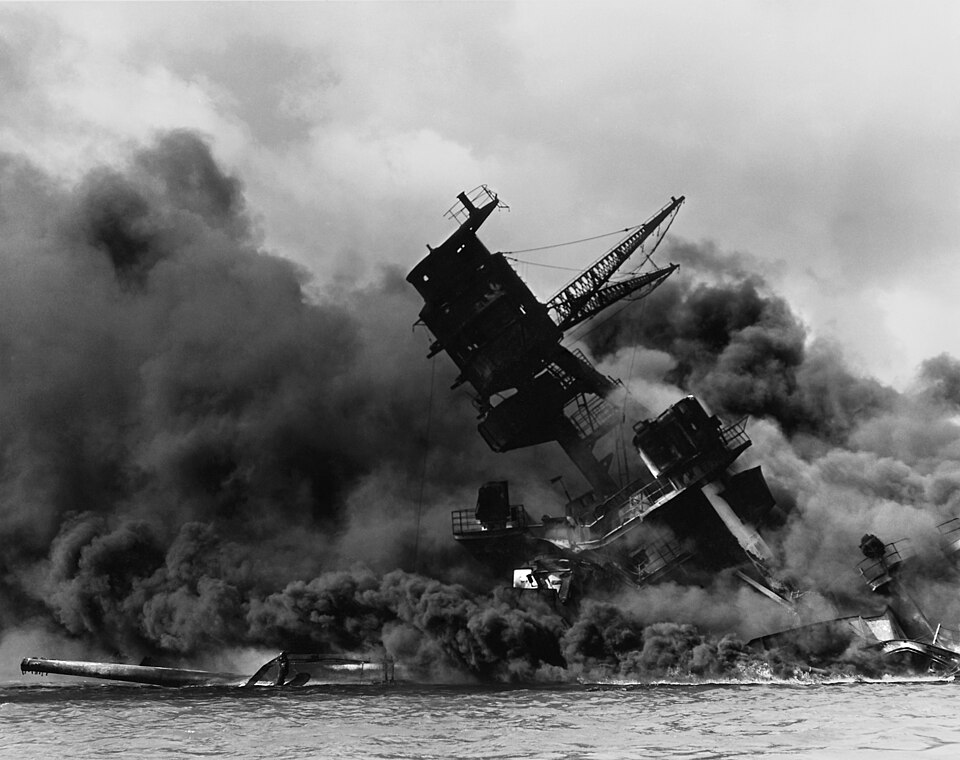
Two radar operators saw the approaching formation before the bombs fell. Their warning did not become an effective alarm. The fact of a missed warning is undeniable; the theory asks whether the failure was a mistake or a deliberate sacrifice.
01 / The morning at Opana
On 7 December 1941, radar operators George Elliott and Joseph Lockard detected a large incoming formation from the Opana site. The National Park Service’s account follows their report to the information center. Lieutenant Kermit Tyler interpreted the returns as expected American B-17s. The Japanese attack followed. This episode is powerful because it is a concrete failure involving identifiable people and a working instrument.
02 / What the observers knew at the time
The operators could report a radar return. They could not read the attackers’ national identity from the screen. Tyler’s expectation supplied an incorrect interpretation. Retelling the scene with the knowledge everyone acquired afterward makes the warning look more explicit than it was. The Navy’s historical analysis likewise discusses deficiencies in readiness and how warnings were interpreted, rather than pretending no warning signs existed.
03 / The argument for foreknowledge
Believers point to diplomatic tensions, intercepted communications, intelligence held in Washington, and the many preparations that failed. They argue that leaders wanted entry into the war and accepted or engineered a devastating opening attack. The strongest part of this argument concerns what officials knew and failed to communicate. The decisive extra claim is that they knew this particular strike would arrive and deliberately permitted it.
04 / A warning failure is not yet a plotted failure
The countercase distinguishes general anticipation of war from tactical knowledge of the attack’s place and time. It also examines fragmented responsibility, assumptions about likely threats, and failures to act on ambiguous indications. None excuses the consequences. To establish deliberate sacrifice, a researcher needs evidence that connects accurate prior knowledge with an intentional decision to withhold protection. Opana proves that an alarm opportunity was missed; it cannot by itself identify a hidden order to miss it.
The allegation, in brief
US leaders allegedly knew the exact attack plan and allowed it to happen to bring the country into war.
Where the archive stands
Naval histories document intelligence, warnings, misjudgments, and preparedness failures. They do not establish that Washington knowingly authorized the surprise air attack by inaction. General fear of war is not precise advance knowledge.
Distinguish a missed warning from a deliberate invitation.
ARCHIVIST’S NOTE / EXPANDED RESEARCH: 02 OCT 2026
THE SHELF BEHIND THE FILE
For further reading
Take the longer trail. These are the books we would keep beside this file.
As an Amazon Associate I earn from qualifying purchases. Purchases through these links may earn this archive a commission.
- THE WATCHER’S
FAVORITE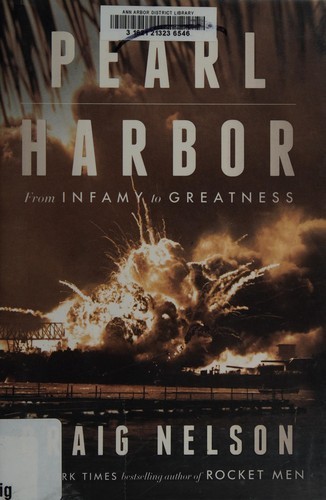 01 / Military history
Pearl Harbor: From Infamy to Greatness
A substantial narrative of the attack and the intelligence failures around it.
Find editions on AmazonBook & source detailsWhy this pick?
A substantial specialist narrative; the publisher collects its critical reception.
The stamp is an editorial recommendation informed by published reviews, source quality, and relevance. It is not a claim about the highest Amazon customer rating. Selection source.
 02 / Historical scholarship
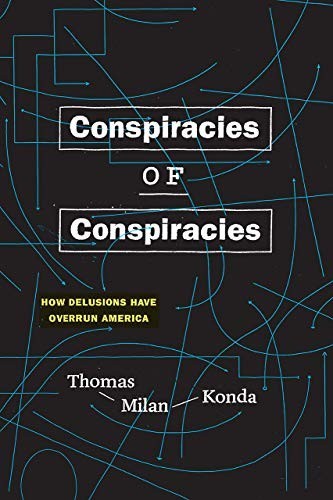
Conspiracies of Conspiracies
Follow the recurring hidden-hand stories through American history.
Find editions on AmazonBook & source details
A place on this shelf is not a verdict on every claim inside. Selection checked 2 October 2026. Cover artwork belongs to its respective rights holders; cover sources & editions. Covers identify a selected edition; Amazon lists current editions, availability, and prices.
A QUESTION LEFT IN THE MARGIN / EDITORIAL PROMPT
Bring one source.
What distinguishes an intelligence failure from evidence that leaders knowingly allowed the attack?
A useful first note: the source, what it establishes, and what it leaves open.
FOLLOW ANOTHER THREAD
Adjacent files
 ContestedDOSSIER 025
JFK: the second gunman
Six seconds in Dallas. A lifetime of arguments.
 ContestedDOSSIER 026
Martin Luther King Jr.: conspiracy claims
An assassination, and the agencies already watching him.
 UnsupportedDOSSIER 027
Diana: the alleged royal plot
A Paris tunnel became a world of accusations.