DOSSIER 090 / DIGITAL FOLKLORE
Who Decides Your Price and Your Pay?
The FTC asks how personal data enters customer prices, work offers and worker compensation.
Documented refers to the inquiry and published company positions; specific practices and violations require additional evidence.
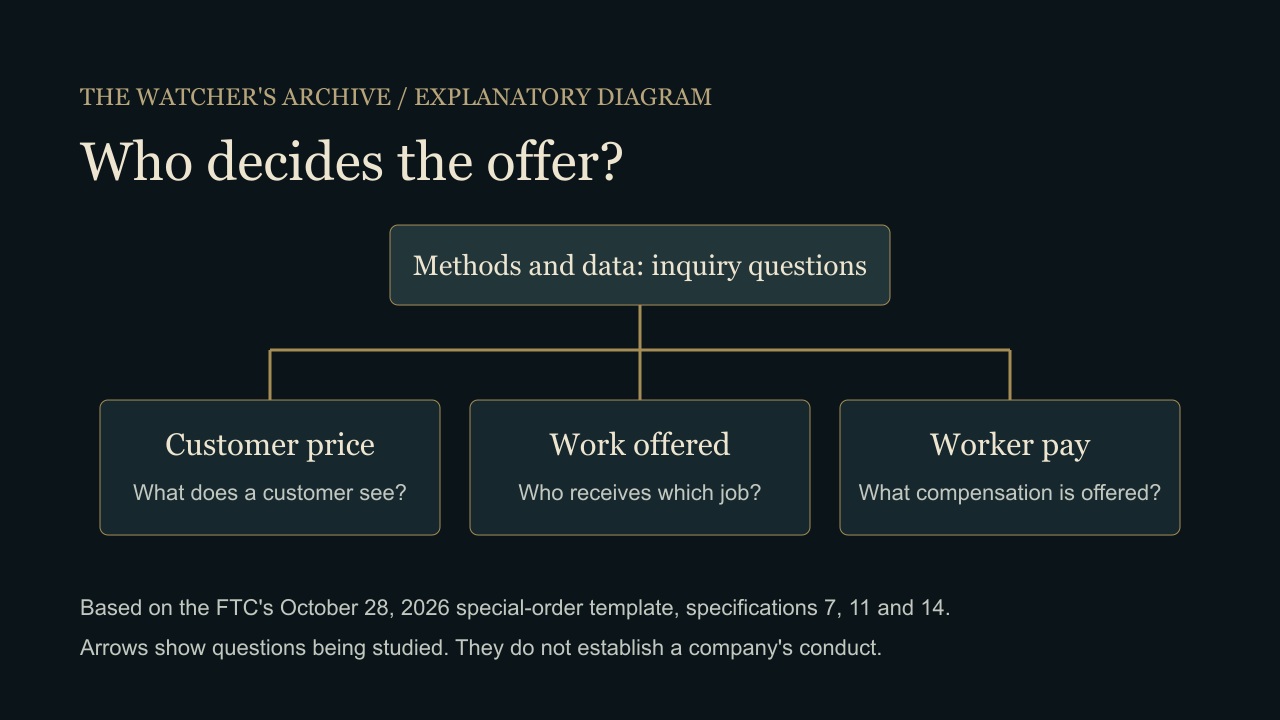
The October 28 resolution is a single page. It authorizes the Federal Trade Commission to compel information about how businesses use personal data to set prices and compensation. The longer document beside it begins with a space for a company's name. It is a template for a report the agency wants to receive, rather than a report of what investigators have already found.
01 / The question in the order
The FTC announced orders to Delta, United, JetBlue, Lyft, Uber, DoorDash, Instacart, Target and Walmart. The recipients span airlines, retailers and platforms arranging rides or deliveries. Section 6(b) is the part of the FTC Act that lets the agency require written reports for broad studies of business practices. It gives investigators a way to seek records before they can describe what a market is doing. Its stated question reaches both sides of a transaction: what a customer pays and what a worker receives. The announcement says recipients have 45 days after receiving an order to respond. It describes a study whose authority does not depend on a particular enforcement case.
02 / What the earlier study could establish
The earlier inquiry focused on intermediary firms supplying pricing and segmentation tools. In January 2025, FTC staff published preliminary research summaries and identified several limits. The authors said the work was incomplete, reflected documents gathered during the previous year and did not assess whether anyone had acted illegally. They also recorded that some respondents disputed descriptions of their tools as individualized pricing systems.
Those qualifications matter when reading the October announcement's criticism of the earlier approach. The two documents come from different stages of the inquiry and describe different evidentiary aims. The earlier staff paper describes what could be learned from intermediary records; the later announcement seeks records from businesses making offers directly. Each account needs to be read against that difference in scope.
The later sections separate changing a listed price from changing which products or promotions a shopper sees. A search result that favors expensive products can affect a purchase without changing the price of an identical item. The staff paper also attributes performance claims to respondents and leaves broader market effects unresolved. Those distinctions keep a description of available tools from becoming an unsupported claim about every shopper's bill.
03 / An earlier proposal about disclosure
The inquiry followed an August 19 draft enforcement statement. In that document, the FTC distinguished prices that move with supply and demand from prices shaped by information about a particular consumer. It argued that businesses should explain personalization, its basis and the kinds of data involved when shoppers reasonably expect a generally offered price.
The draft illustrated its concerns with imagined transactions, including a hotel charging more because someone appeared to be traveling for an unavoidable personal reason. These examples explain the agency's reasoning. They do not identify an investigated company as having done those things.
The statement also says it would bind neither the public nor the Commission. An enforcement action would still require proof of an existing legal violation. Its significance in this chronology is the approach the agency proposed before seeking company records in October. The October announcement still described that August text as a proposal.
04 / The information behind an offer
The opening specifications ask companies to explain their methods and the personal information those methods use. Separate questions address consumer pricing, assignment of work and compensation. The template also asks about missing inputs and human or company overrides. Those details could help distinguish a general pricing system from a decision that changes with information about a particular person.
There is an important distance between requesting those records and receiving them. The blank company field also matters: this public template cannot establish the date a particular recipient was served, the contents of its response or what investigators will conclude. Those questions require further records.
05 / A company draws its own boundary
Uber's 2026 United States transparency report separates its underlying prices from promotions. The company says it does not use personal data to personalize consumer prices, while describing personalized discounts based on activity or a customer's return to the service. Its stated principles concern consumer-facing products with prices set by Uber; the footnote excludes broader assumptions about third-party prices and enterprise offerings.
That is the company's published account, rather than an independent audit or a documented response to the October orders. It also cannot answer the separate questions about worker compensation. The distinction between a base price and a targeted discount needs to remain visible when comparing the company's terminology with the FTC's broader request for pricing information.
Target draws a similar distinction in an October 15 fact sheet. It denies using personal information to raise a shopper's price, while saying its loyalty program can use shopping history to surface relevant offers. It also acknowledges differences linked to local costs, regulation, competition and shopping platform. That statement predates the FTC orders; it supplies the retailer's published position, rather than proof about the records the inquiry will obtain.
06 / Scope that matters to the story
The order's definitions reach methods applied manually as well as through software. Its worker category excludes fixed-salary employees and hourly employees with a fixed schedule. The compensation questions consequently concern a defined group of workers and offers, rather than every wage paid by the recipients.
07 / The records that can answer the question
The information request gives the inquiry a concrete next step. Companies are being asked to describe inputs, methods and disclosures. Comparing those explanations with the underlying records could show how an offer was produced, which factors changed it and what the customer or worker was told. A difference between two offers starts an inquiry; explaining that difference requires those additional records.
For now, the public documents establish the questions the agency has compelled companies to answer. The published company principles supply an account that can be compared with those answers. The outcome will depend on what the records show about actual decisions.
The allegation, in brief
Companies use personal data to decide individual prices and worker compensation.
Where the archive stands
The FTC has compelled information from nine companies. Public orders establish the inquiry and its scope; they do not establish misconduct or a completed finding about every recipient.
Follow the input, the method and the offer before inferring why two people receive different prices.
ARCHIVIST’S NOTE / EXPANDED RESEARCH: 2 NOV 2026
THE SHELF BEHIND THE FILE
For further reading
Historical background on commercial personal-data collection; published before this inquiry and not evidence about the named recipients.
As an Amazon Associate I earn from qualifying purchases. Purchases through these links may earn this archive a commission.
- THE WATCHER’S
FAVORITE 01 / Commercial surveillance and privacy
The Age of Surveillance Capitalism
Background on the commercial collection and use of personal data; published before this case.
View book on AmazonBook & source detailsWhy this pick?
Selected for relevant background and substantial published reception documented by the publisher; no Amazon customer-rating comparison is claimed.
The stamp is an editorial recommendation informed by published reviews, source quality, and relevance. It is not a claim about the highest Amazon customer rating. Selection source.
A place on this shelf is not a verdict on every claim inside. Selection checked 1 November 2026. Cover artwork belongs to its respective rights holders; cover sources & editions. Links open a specific edition. Cover artwork may show a different edition; check the format, availability, and price on Amazon before buying.
A QUESTION LEFT IN THE MARGIN / EDITORIAL PROMPT
Bring one source.
What evidence would distinguish a price shaped by changing market conditions from one shaped by a personal profile?
A useful first note: the source, what it establishes, and what it leaves open.
FOLLOW ANOTHER THREAD
Follow this thread.
Compare advertising-data access safeguards with questions about how personal data affects actual offers.
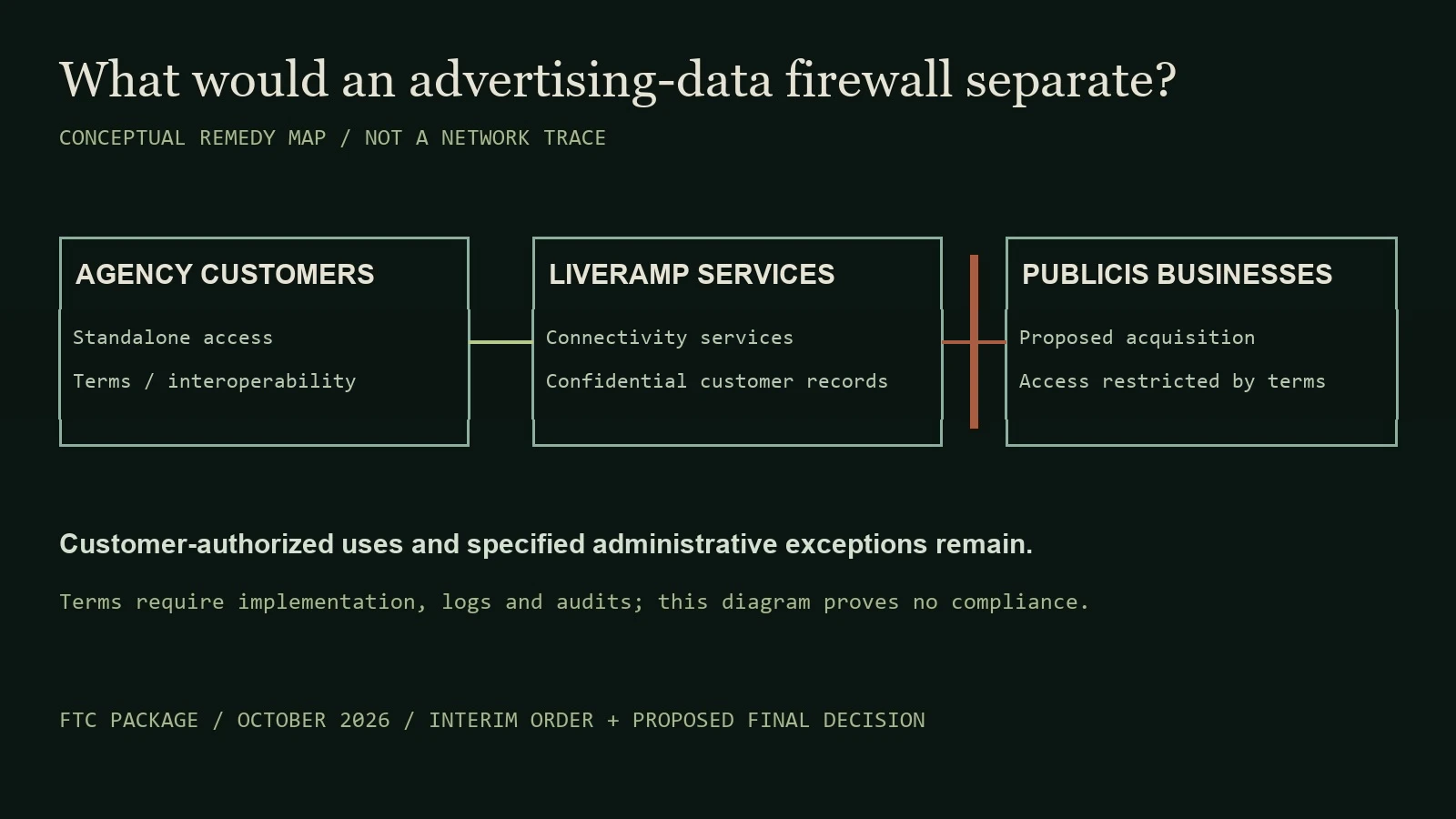 MERGER REMEDY DOCUMENTED / COMPLIANCE UNVERIFIEDDOSSIER 088
What Keeps an Advertising Data Intermediary Neutral?
The FTC, Publicis and a proposed advertising-data acquisition raise a practical question: how does a shared connection stay neutral after a competitor buys it?
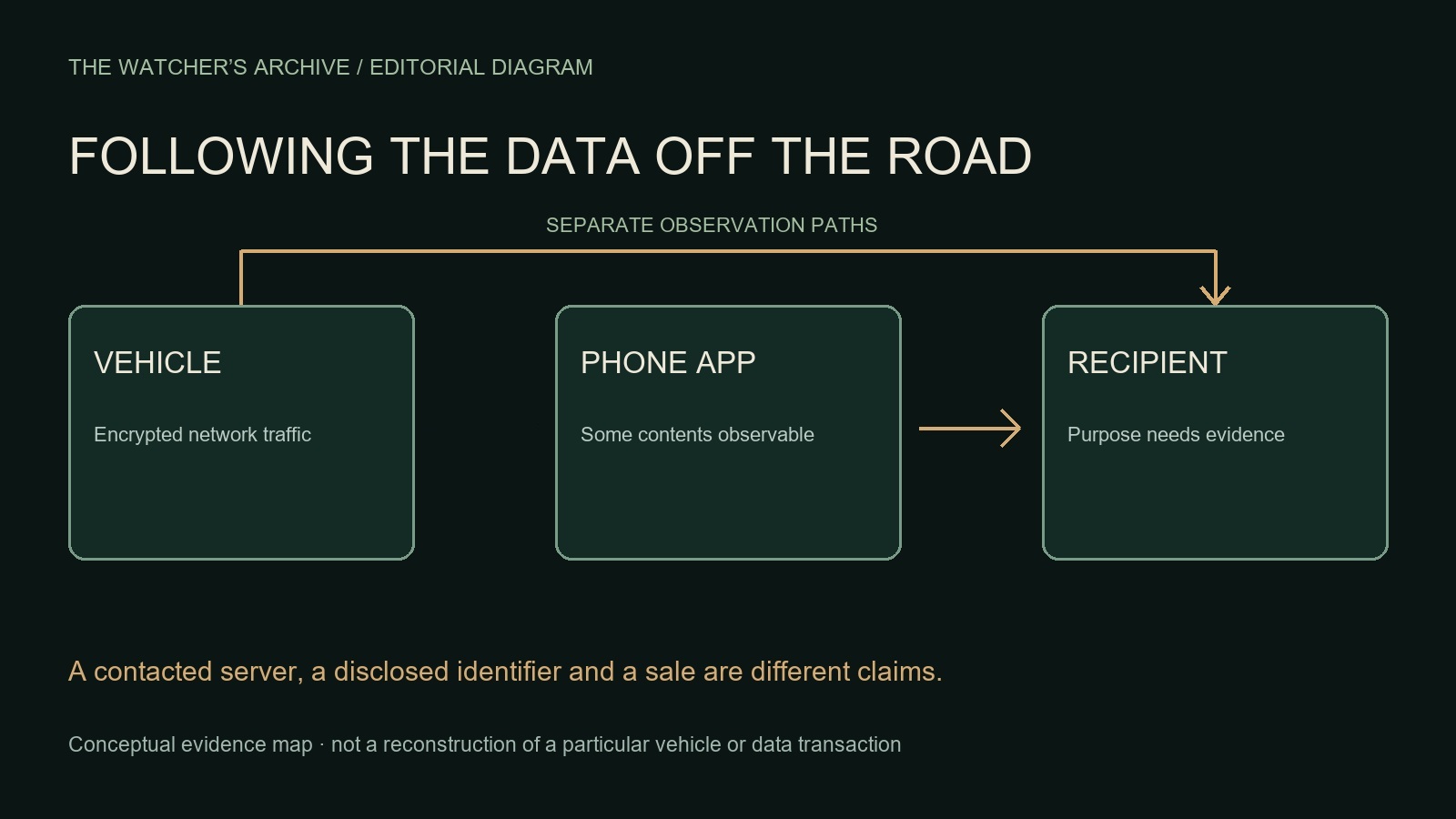 SAMPLED DATA TRANSMISSIONS DOCUMENTED / SCOPE LIMITEDDOSSIER 087
What Leaves a Connected Car?
A new OnStar announcement meets a separate research record about vehicles, phone apps and the information they transmit.
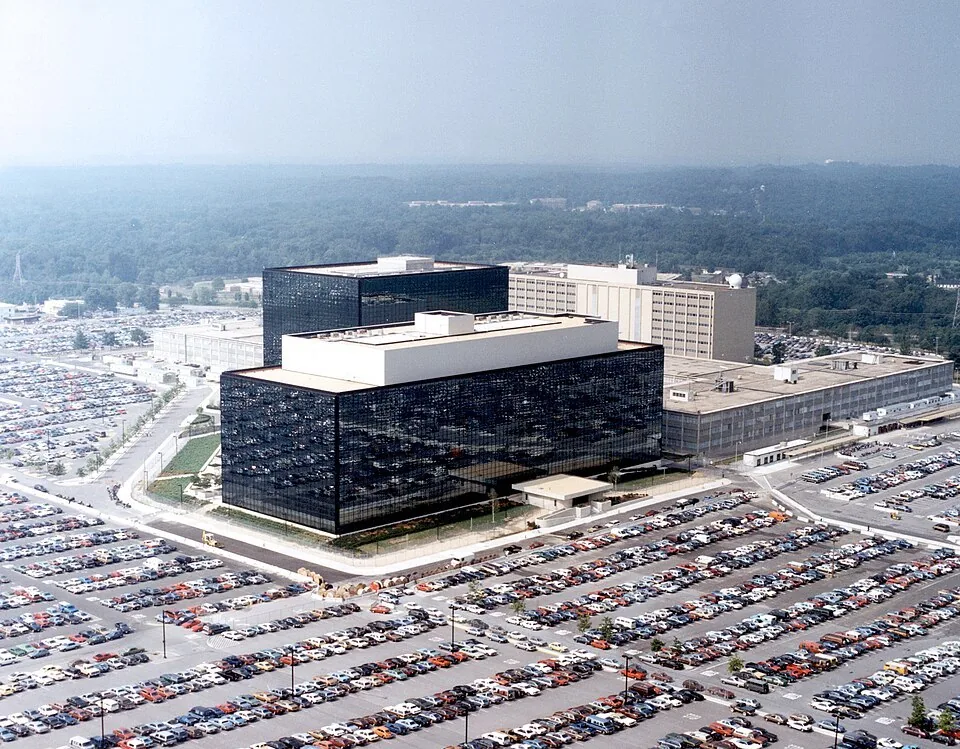 DocumentedDOSSIER 058
Project SHAMROCK: thirty years of secret telegram collection
How a wartime arrangement outlived the war—and put Americans’ messages in government hands.