DOSSIER 089 / INTELLIGENCE
What Does a Released FBI Surveillance File Actually Prove?
Three archival packets separate a surveillance procedure, a request with a draft reply, and recommendations about records.
Documented refers to released records and the appeal; the broad operational inference is not established. Only three of thirty-eight released packets were closely reviewed.
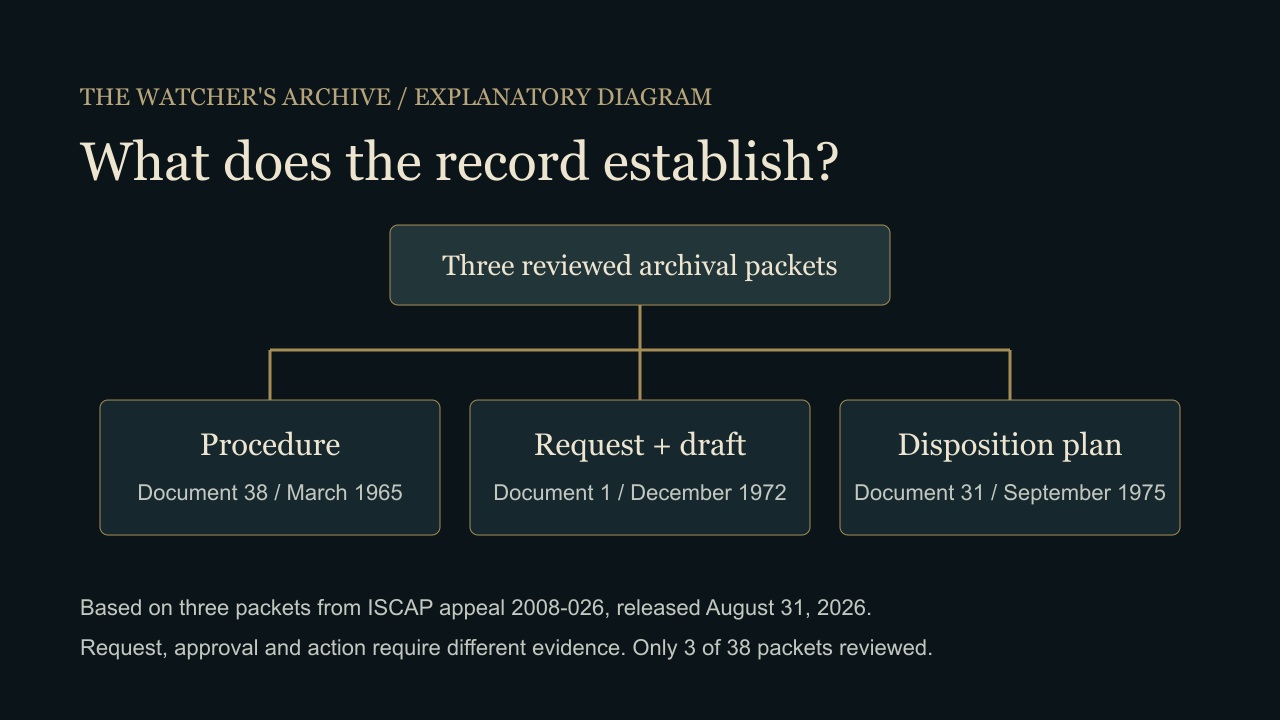
The December 1972 packet contains a request, supporting memoranda and words drafted for the Attorney General to send back. At first glance, the last of these can look like a decision. It says that surveillance is authorized. The space for the date is blank, and the reviewed page does not carry a completed signature. The internal recommendation calls it a suggested response for signature. A sentence prepared for an official to sign cannot, by itself, establish that he signed it.
01 / The appeal and the released file
The packet became public through appeal 2008-026 before the Interagency Security Classification Appeals Panel, which reviews certain disputes about whether national-security information should remain classified. The papers concern the Federal Bureau of Investigation, or FBI; the Attorney General is the Justice Department official whose authorization the request seeks. An October 23, 2026 account from the Information Security Oversight Office describes the closure of a case active since 2008. The disclosure itself occurred on August 31, a date stamped on the released pages. An October explanation of that release should not be presented as an October declassification.
02 / What the earlier procedure records
A separate March 30, 1965 memorandum, from A. H. Belmont to Mr. Tolson, describes Attorney General authorization, continuation explanations and notifications when surveillance ends. It also discusses urgent requests and internal handling. It gives the reader a written procedure against which later records can be compared. Whether a particular installation followed that procedure requires evidence beyond the procedure itself.
The procedure and the later request are two of the three packets examined closely for this file. Their value lies partly in the stages they preserve: a proposed operation, an internal recommendation, a draft reply and a continuing claim of secrecy. This file follows those three packets, whose different purposes help explain how to read a surveillance record. The remaining thirty-five released packets are outside its reviewed scope.
03 / The request and the rule it invoked
In the first memorandum, W. O. Cregar asks E. S. Miller to seek the Attorney General's authorization for telephone surveillance of an establishment whose identity remains redacted. The document describes the proposed coverage as foreign intelligence and invokes the Supreme Court's June 1972 domestic-security surveillance decision to explain why the authors considered the request outside that decision's reach.
The Court had required prior judicial approval in the domestic-security case before it. Its majority also expressly left questions involving foreign powers or their agents unresolved. That reservation helps explain the distinction the memorandum's authors made. It does not turn their classification of this particular redacted target into a finding by the Court.
04 / The recommendation and the instruction to wait
A September 1975 packet adds another distinction. An internal memorandum recommends what should happen to a collection of documents received from former Associate Deputy Attorney General James A. Wilderotter. Some originals should return to Bureau files. Some copies should be retained and forwarded. Other copies are listed for destruction, subject to retention requirements.
Stopping at that list would lose the next page. A September 25 addendum from the Freedom of Information Act Section says that no action on disposition should occur until appropriate instructions arrive from the Deputy Attorney General. The packet preserves both a proposed course of action and an instruction to wait. It does not, on its own, establish which records were ultimately destroyed.
The attached June inventory has 61 numbered entries, with some entries containing several papers or copies. Those entries are not the same units as the 38 documents in the 2026 release. The list describes White House wiretap correspondence, congressional material, COINTELPRO-related records, drafts and other papers. An inventory can point a researcher toward a record; it cannot substitute for reading that record's contents and qualifications.
05 / Reading the decision around the missing text
The Information Security Oversight Office describes a partial disclosure: some passages became public, while other information remained classified. The redactions therefore belong in the account alongside the released words. They determine how much of a proposed surveillance operation a reader can reconstruct.
The National Archives explains that redaction codes identify the grounds for withholding. The applicable categories depend partly on the age of the information. Some withholding also rests on law outside the panel's national-security classification remit. A code tells the reader the asserted basis for an omission; it does not reveal the missing person's name or establish what the missing passage says.
Executive Order 13526 provides the broader framework for mandatory declassification review. Its provisions allow requests for identifiable records, agency review and appeals. Its rules for older records also contain exceptions to automatic declassification. Those provisions explain how a file can be reviewed and still contain protected information. They do not establish the administrative history of this particular appeal.
That distinction changes the question this dossier can answer. The official account identifies a case active since 2008 and a release in August 2026. The reviewed sources do not explain the causes of every intervening delay. The available pages support a more precise inquiry into what became visible when the appeal closed: requests, procedures, draft replies, an inventory and instructions about disposition. Each occupies a different place in the history of an operation or a record.
The allegation, in brief
Released paperwork proves specific surveillance was approved and records were destroyed.
Where the archive stands
The reviewed packets preserve a written procedure, a request and suggested reply, and disposition recommendations qualified by an instruction to wait. They do not independently establish completed authorization or ultimate destruction.
Follow the document’s purpose and completed signatures before treating its wording as an action.
ARCHIVIST’S NOTE / EXPANDED RESEARCH: 1 NOV 2026
THE SHELF BEHIND THE FILE
For further reading
Historical background on the exposure of FBI domestic-surveillance records; not evidence for this appeal, its redactions or its targets.
As an Amazon Associate I earn from qualifying purchases. Purchases through these links may earn this archive a commission.
- THE WATCHER’S
FAVORITE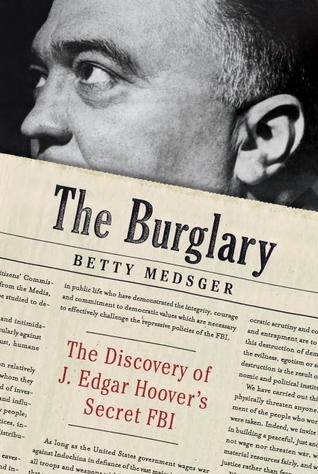 01 / Investigative history
The Burglary
The break-in that exposed the FBI’s secret machinery of domestic repression.
View book on AmazonBook & source detailsWhy this pick?
IRE Book Award winner; favorable New York Times Book Review reception, documented by the publisher.
The stamp is an editorial recommendation informed by published reviews, source quality, and relevance. It is not a claim about the highest Amazon customer rating. Selection source.
A place on this shelf is not a verdict on every claim inside. Selection checked 1 November 2026. Cover artwork belongs to its respective rights holders; cover sources & editions. Links open a specific edition. Cover artwork may show a different edition; check the format, availability, and price on Amazon before buying.
A QUESTION LEFT IN THE MARGIN / EDITORIAL PROMPT
Bring one source.
Which additional record would turn a request for surveillance into evidence that it was approved and carried out?
A useful first note: the source, what it establishes, and what it leaves open.
FOLLOW ANOTHER THREAD
Follow this thread.
Compare documented domestic-surveillance history with what this narrower set of released records establishes.
 DocumentedDOSSIER 048
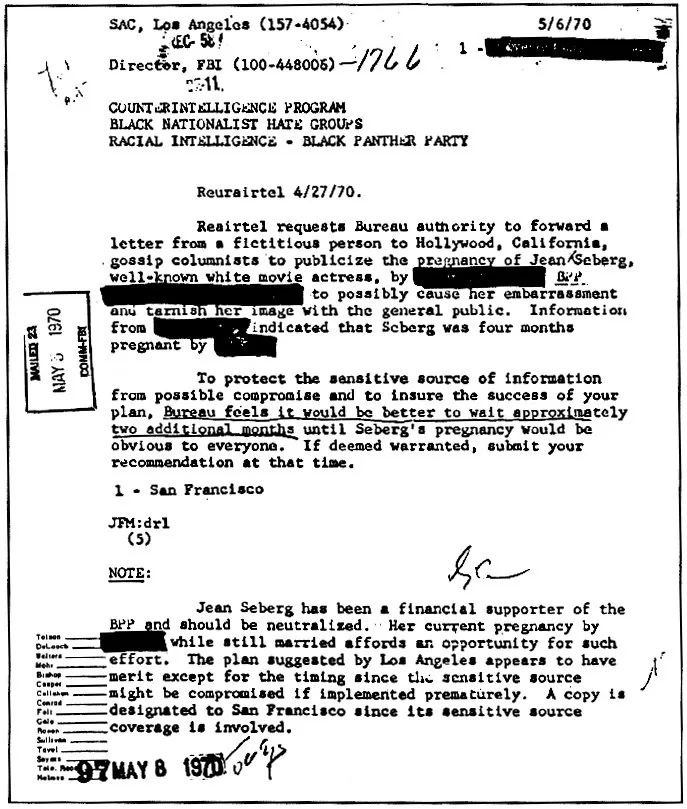
COINTELPRO
The bureau did more than watch.
 DocumentedDOSSIER 058
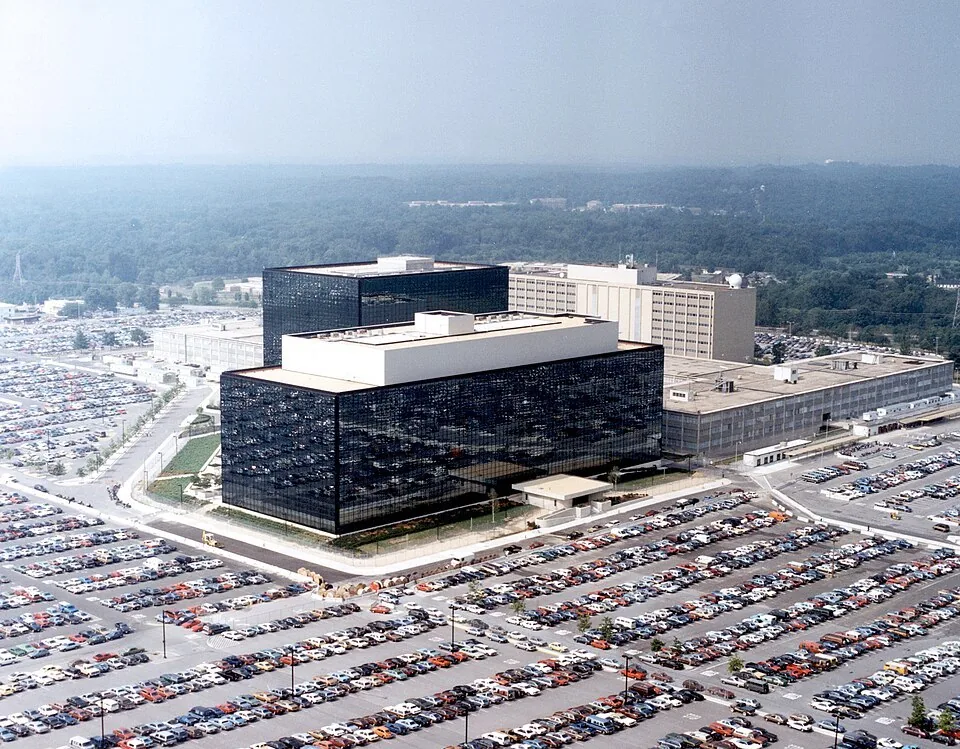
Project SHAMROCK: thirty years of secret telegram collection
How a wartime arrangement outlived the war—and put Americans’ messages in government hands.
DocumentedDOSSIER 059Project MINARET
The watch list reached into American life.