DOSSIER 003 / EARTH & SKY
Hollow Earth
An entire world beneath our feet.
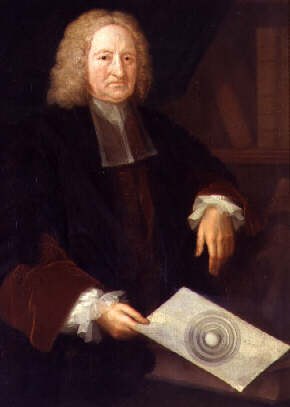
Before the secret entrance became an internet legend, a former army captain openly asked for an expedition. His proposal belonged to the age of unexplored frontiers, and he wanted the government to help him find one beneath the globe.
01 / The expedition that never supplied the proof
John Cleves Symmes announced his hollow-Earth proposal in an 1818 circular. He imagined habitable interiors accessible through polar openings and sought an exploring party. The scholarly history of that circular places it among contemporary debates about geography, exploration and the Earth's structure. Later books and fictional voyages helped transform a speculative physical model into a landscape readers could picture.
The original claim matters because later retellings often reverse its evidential status. A proposal for an expedition becomes a story that an expedition already found the entrance. The surviving proposal does not document such a discovery.
02 / Whose account are we actually reading?
Symmes's circular is a direct statement by a proponent, not an eyewitness account from inside the Earth. The Library of Congress bibliography gives readers a way to compare early writings with later histories instead of merging them into one continuous testimony. A compelling travel narrative may be fiction; a sincerely argued theory may be mistaken. Neither category should be silently promoted to a verified expedition log.
That distinction is especially important with alleged polar diaries. Before treating a passage as an explorer's admission, locate its manuscript, publication history and relationship to the explorer's authenticated records.
03 / Why the hidden-world story persists
The attraction is a frontier that modern maps have supposedly concealed: an inhabited interior, an entrance guarded by powerful institutions, and an explanation for why ordinary travellers cannot check it. Within that story, the absence of an accessible entrance becomes evidence of successful concealment. But a theory that makes every failed search confirm the cover-up has stopped distinguishing itself from being wrong.
04 / What would count as an opening in the case
Critics ask for observations that discriminate between a hollow inhabited globe and the Earth's measured internal structure. A documented journey would need navigable coordinates, authenticated recordings and independently repeatable observations. Maps with missing data, literary descriptions and the fact that deep caves exist do not meet that standard. The bibliography preserves the theory's cultural history; it does not certify the geography described in those books.
The allegation, in brief
Some hollow-Earth narratives imagine inhabited chambers, polar entrances, or concealed civilizations inside the planet.
Where the archive stands
The Library of Congress documents this idea’s long literary and scientific history. Modern geophysics does not support a vast habitable hollow interior. A bibliography records a belief’s existence, not its truth.
The underground kingdom survived longer in fiction than in geology.
ARCHIVIST’S NOTE / EXPANDED RESEARCH: 02 OCT 2026
THE SHELF BEHIND THE FILE
For further reading
Take the longer trail. These are the books we would keep beside this file.
As an Amazon Associate I earn from qualifying purchases. Purchases through these links may earn this archive a commission.
- THE WATCHER’S
FAVORITE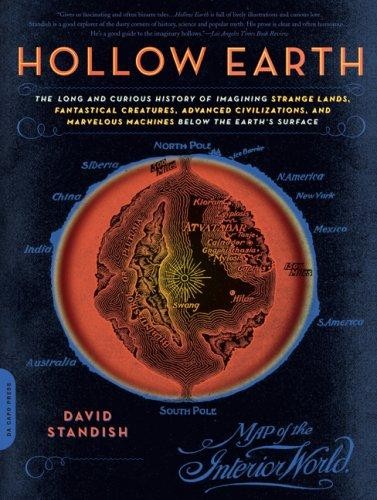 01 / Cultural history
Hollow Earth
The long afterlife of imagined worlds beneath our feet.
View book on AmazonBook & source detailsWhy this pick?
Specialist cultural history selected for its direct relevance to the hollow-earth tradition.
The stamp is an editorial recommendation informed by published reviews, source quality, and relevance. It is not a claim about the highest Amazon customer rating. Selection source.
 02 / Political / religious studies
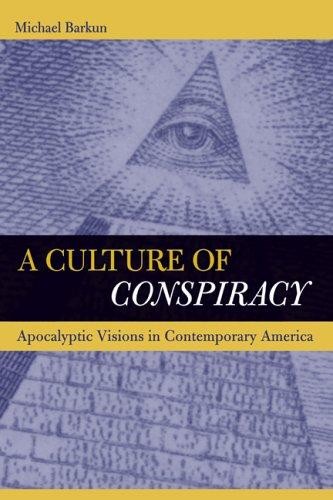
A Culture of Conspiracy
How UFO lore, secret governments, and apocalyptic expectations became entangled.
View book on AmazonBook & source details
A place on this shelf is not a verdict on every claim inside. Selection checked 2 October 2026. Cover artwork belongs to its respective rights holders; cover sources & editions. Covers identify a selected edition; Amazon lists current editions, availability, and prices.
A QUESTION LEFT IN THE MARGIN / EDITORIAL PROMPT
Bring one source.
Where does the hollow-Earth story stop being a literary tradition and become a claim we could test?
A useful first note: the source, what it establishes, and what it leaves open.
FOLLOW ANOTHER THREAD
Adjacent files
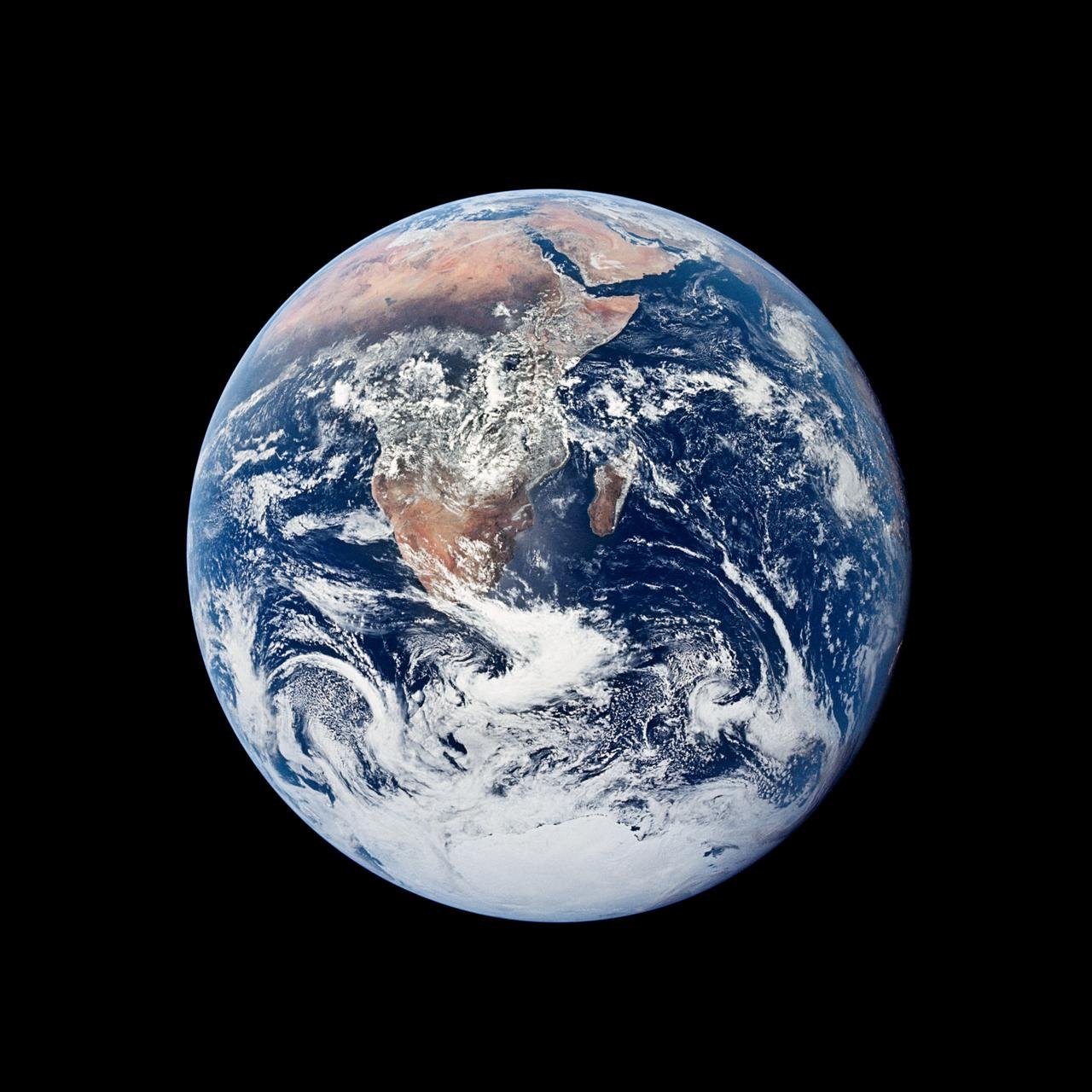 RefutedDOSSIER 001
Flat Earth
The horizon became an accusation.
 RefutedDOSSIER 002
The Moon landing hoax
Six landings. One stubborn allegation.
 UnsupportedDOSSIER 004
Chemtrails
White lines. A sky full of suspicion.