DOSSIER 023 / CONTACT & COVER-UPS
The Face on Mars
One mesa. One shadow. An entire civilization.
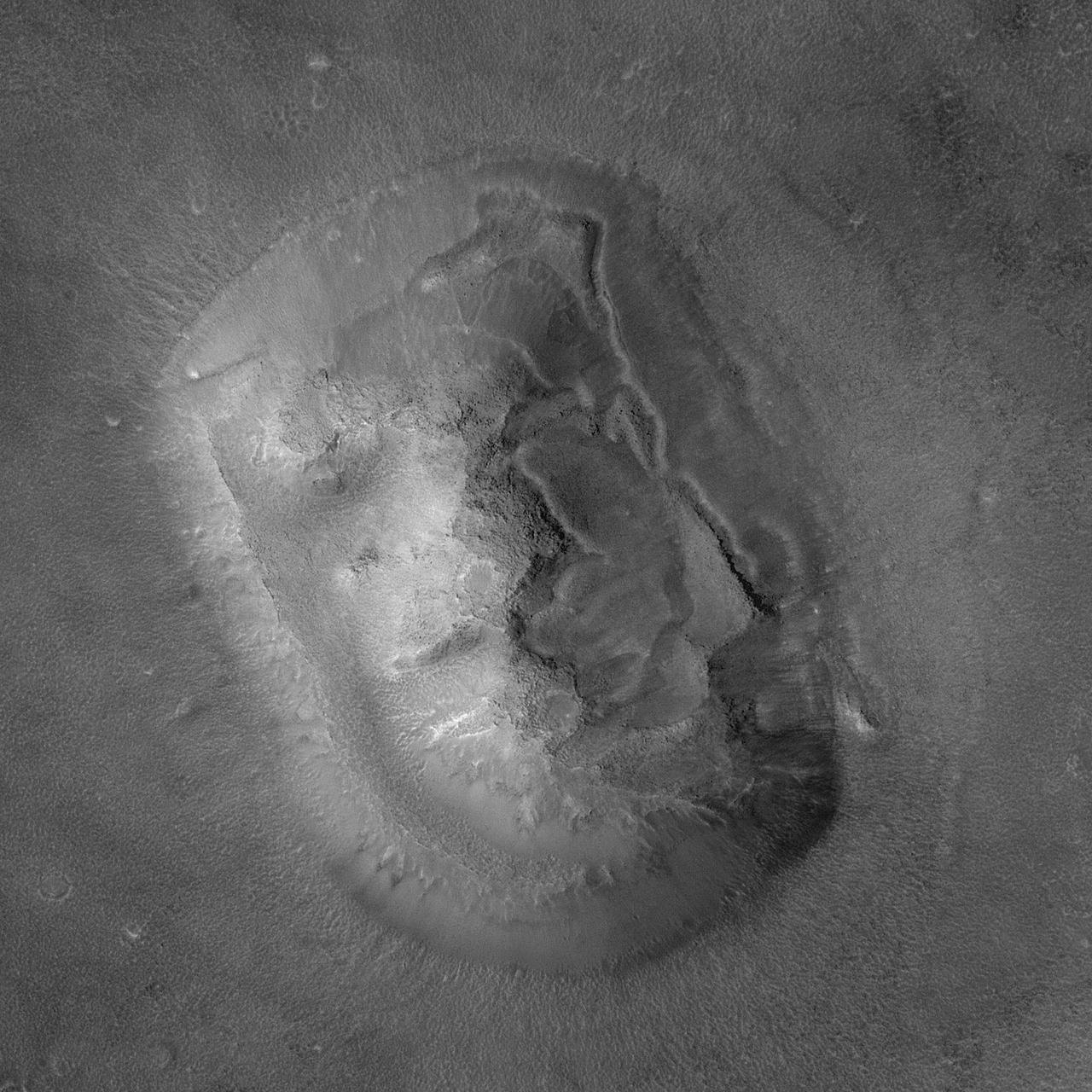
In the first image, a mesa looks back at the camera. In later images, the same place looks like a landform. The face did not disappear; the conditions under which people could inspect it changed.
01 / The photograph that supplied the face
Viking 1 photographed the Cydonia region on 25 July 1976 while the mission was seeking a landing site for Viking 2. Light, shadow, limited resolution, and the shape of a hill produced a recognizable face-like arrangement. NASA’s original image description acknowledged the resemblance. That acknowledgment was an observation about appearance, not a finding of construction.
02 / The witness was an instrument
There was no person standing beside the formation. The firsthand record consists of spacecraft imagery and its acquisition details. Mars Global Surveyor returned a higher-resolution view in April 1998; JPL’s comparison identifies a roughly tenfold improvement over the best Viking view. Further imagery, including the detailed view linked in the original record, lets readers examine terrain that a single low-resolution frame could not resolve.
03 / The proposed monument
Believers read the apparent symmetry as design and sometimes interpret neighboring landforms as parts of a larger artificial complex. Suspicion then shifts to NASA’s role in selecting, processing, or explaining images. The strongest version of the hypothesis would predict geometric details that should remain recoverable across lighting and viewing conditions. A resemblance visible in one dramatic frame is a weaker test.
04 / What the newer views change
The detailed images favor a natural mesa rather than a carved human face. Recognition of a face is a real perceptual event; it need not be evidence that someone put a face there. Ask whether a claim relies on the raw terrain or on a contrast-enhanced outline. The mission images offer an unusually useful opportunity in conspiracy research: the disputed object can be revisited with better observations rather than only argued about from memory.
The allegation, in brief
The face-like formation at Cydonia was claimed to be an artificial monument, with its significance concealed by NASA.
Where the archive stands
Higher-resolution Mars Global Surveyor images show an eroded landform. Lighting and the coarse original image helped create the face-like appearance.
The crucial evidence was the next photograph, not another reading of the first.
ARCHIVIST’S NOTE / EXPANDED RESEARCH: 02 OCT 2026
THE SHELF BEHIND THE FILE
For further reading
Read these alongside the mission images above: resemblance is the beginning of a question, not its answer.
As an Amazon Associate I earn from qualifying purchases. Purchases through these links may earn this archive a commission.
- THE WATCHER’S
FAVORITE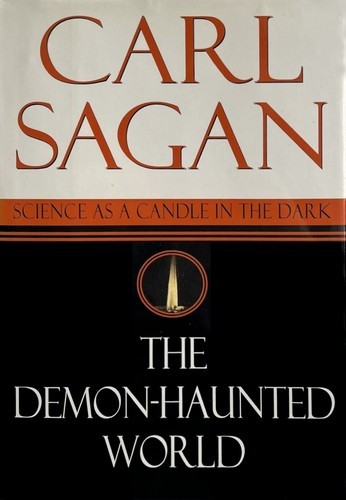 01 / Science / critical thinking
The Demon-Haunted World
A working kit for examining extraordinary claims without losing your sense of wonder.
View book on AmazonBook & source detailsWhy this pick?
Los Angeles Times Book Prize winner; favorable reviews from the Los Angeles Times and Washington Post, documented by the publisher.
The stamp is an editorial recommendation informed by published reviews, source quality, and relevance. It is not a claim about the highest Amazon customer rating. Selection source.
 02 / Political / religious studies
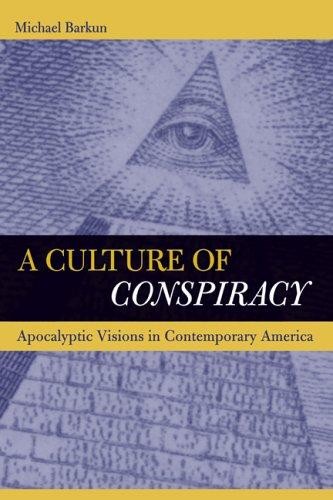
A Culture of Conspiracy
How UFO lore, secret governments, and apocalyptic expectations became entangled.
View book on AmazonBook & source details
A place on this shelf is not a verdict on every claim inside. Selection checked 2 October 2026. Cover artwork belongs to its respective rights holders; cover sources & editions. Covers identify a selected edition; Amazon lists current editions, availability, and prices.
A QUESTION LEFT IN THE MARGIN / EDITORIAL PROMPT
Bring one source.
What changed when later images became available? Which part of the original interpretation depended on image resolution?
A useful first note: the source, what it establishes, and what it leaves open.
FOLLOW ANOTHER THREAD
Adjacent files
 UnsupportedDOSSIER 018
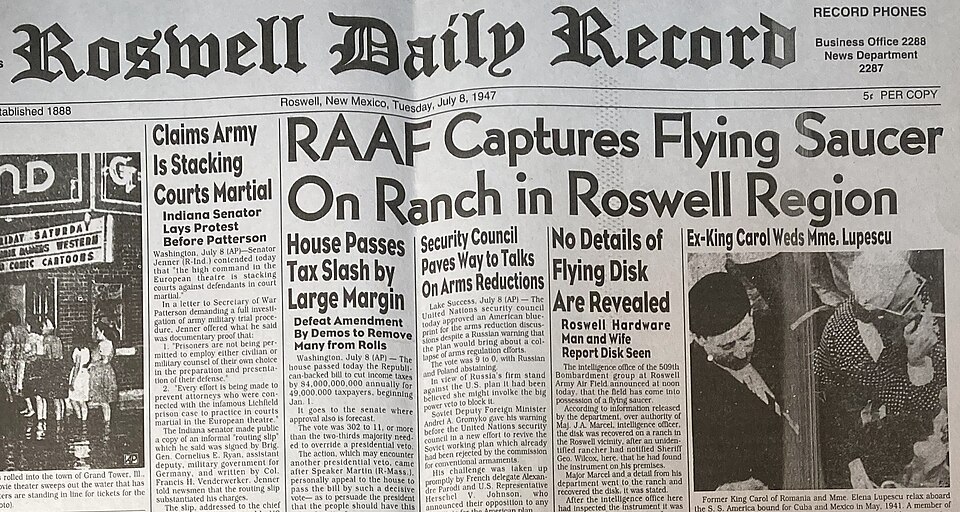
Roswell
Debris in the desert. Decades in the imagination.
 UnsupportedDOSSIER 019
Area 51
The fence was real. What went over it was disputed.
RefutedDOSSIER 020Majestic 12
The secret committee arrived on paper.