DOSSIER 001 / EARTH & SKY
Flat Earth
The horizon became an accusation.
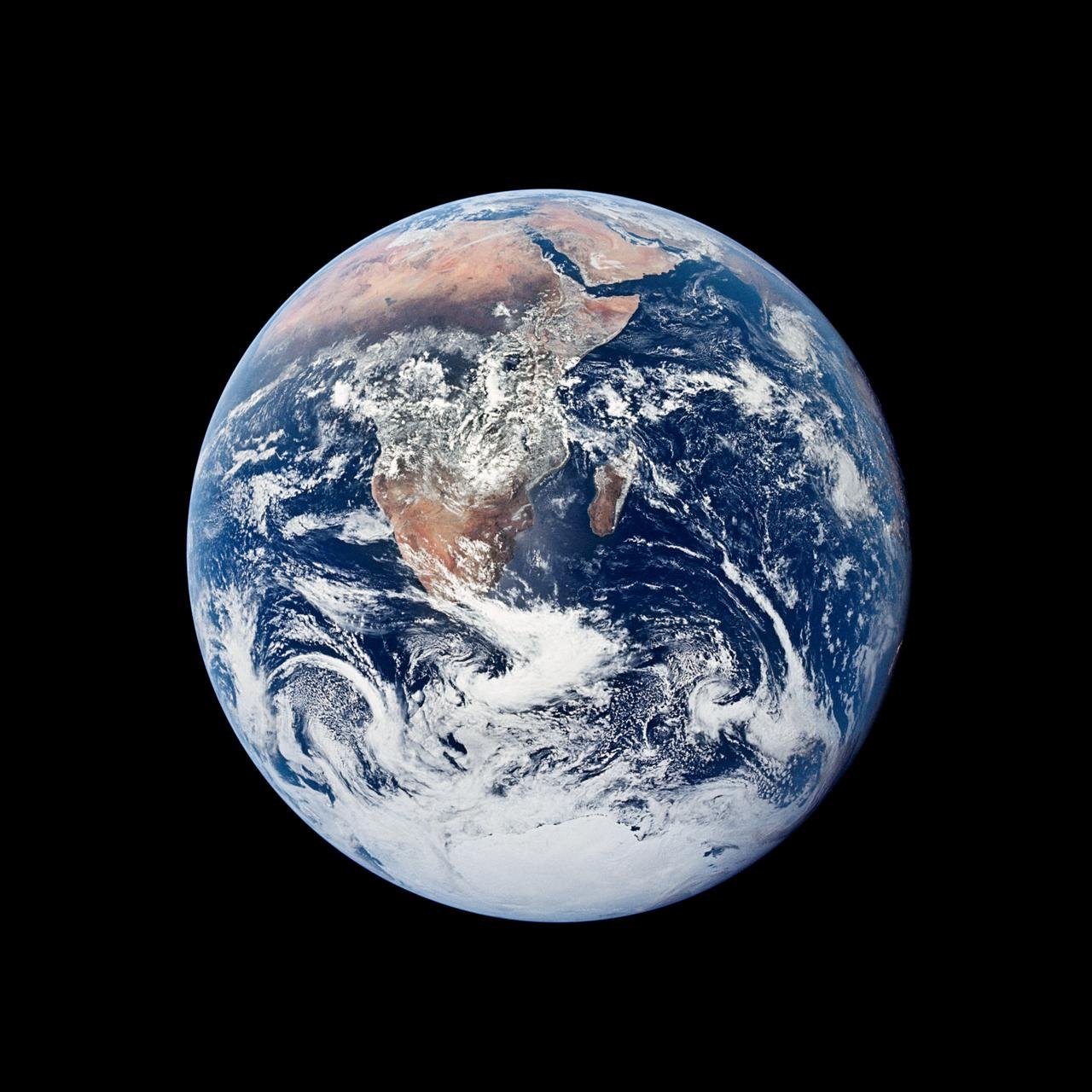
The argument did not begin with a satellite photograph. It began with a telescope pointed along a canal, and two sides certain that the same stretch of water would vindicate them.
01 / The canal that became a courtroom
In nineteenth-century Britain, the Bedford Level offered an unusually long, straight sightline over water. Samuel Rowbotham made observations there central to his case for a flat Earth. In 1870, Alfred Russel Wallace accepted a wager connected with the same controversy. A contemporary Nature report described an experiment involving signals along the waterway. The dispute survived the observation: the participants argued about the arrangement, interpretation and adjudication rather than agreeing that one afternoon had settled the matter.
That is an essential part of this story. Flat-Earth advocacy presents itself as a rebellion against inherited authority: go outside, look, measure. The difficulty is that an observation still needs a model of light, atmosphere and geometry. Calling an experiment direct does not remove those dependencies.
02 / A participant answers the accusation
Wallace's 1872 letter to The Zetetic gives the quarrel a human voice. He protested that the magazine had misrepresented who selected the canal and had attributed another writer's words to him. He objected particularly to portraying the adjudicator's decision as a foregone conclusion. This is a firsthand account of the dispute, written by an interested participant; it is not an impartial transcript of everything that happened.
Reading the letter is more revealing than repeating the familiar story that a scientist won a bet. It shows how quickly an experimental argument became an argument over trust, quotation and whether the referee had already chosen a side.
03 / What adherents think they are defending
The strongest version of the believer's position is a demand that ordinary people be able to test the world without accepting institutional photographs on faith. A level-looking horizon and water that seems flat become starting observations. Some advocates then treat disagreement as evidence of coordinated deception. Those are two separate propositions: an instrument-reading dispute does not establish a worldwide conspiracy.
04 / The objection that survives the photograph argument
NASA's explanation points beyond space imagery to shadows, horizons and observations from different locations. A useful test asks whether one model explains them together. Atmospheric refraction can complicate a long sightline near water; it does not make all observations interchangeable. The globe model supplies coherent predictions across geography and astronomy. A flat model must do the same before an apparently anomalous photograph or canal measurement overturns it.
The allegation, in brief
Modern proponents claim Earth is a flat plane and space agencies conceal its shape. Some versions put Antarctica around the edge as an ice wall.
Where the archive stands
Earth’s curvature is supported by navigation, changing stars with latitude, eclipses, geodesy, and independent orbital observations. The claim requires mutually independent measurements to be fabricated.
Put the models under the same sky
The strongest inquiry does not end with a photograph from a space agency. It asks competing models to account for observations anyone can compare: the stars visible at different latitudes, the direction and timing of shadows, circumnavigation, and the changing geometry of an eclipse. A model that offers one explanation for a horizon and another incompatible explanation for a journey has not solved the problem.
- Use more than one observation and more than one location.
- Ask the proposed map to predict distances and directions.
- Check whether one coherent geometry explains every measurement.
A level-looking horizon is a local observation. A model of the whole planet must explain the whole planet.
ARCHIVIST’S NOTE / EXPANDED RESEARCH: 02 OCT 2026
THE SHELF BEHIND THE FILE
For further reading
Take the longer trail. These are the books we would keep beside this file.
As an Amazon Associate I earn from qualifying purchases. Purchases through these links may earn this archive a commission.
- THE WATCHER’S
FAVORITE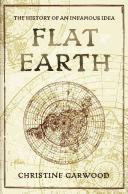 01 / History of science
Flat Earth: The History of an Infamous Idea
A history of the movement, including its Victorian revival.
Find editions on AmazonBook & source detailsWhy this pick?
Positive reception in the Sunday Times, Daily Telegraph, and Financial Times, documented by the publisher.
The stamp is an editorial recommendation informed by published reviews, source quality, and relevance. It is not a claim about the highest Amazon customer rating. Selection source.
 02 / Science / critical thinking
The Demon-Haunted World
A working kit for examining extraordinary claims without losing your sense of wonder.
View book on AmazonBook & source details
A place on this shelf is not a verdict on every claim inside. Selection checked 2 October 2026. Cover artwork belongs to its respective rights holders; cover sources & editions. Covers identify a selected edition; Amazon lists current editions, availability, and prices.
A QUESTION LEFT IN THE MARGIN / EDITORIAL PROMPT
Bring one source.
Which observation would a flat-Earth model and a globe model predict differently? Describe a test someone else could repeat.
A useful first note: the source, what it establishes, and what it leaves open.
FOLLOW ANOTHER THREAD
Adjacent files
 RefutedDOSSIER 002
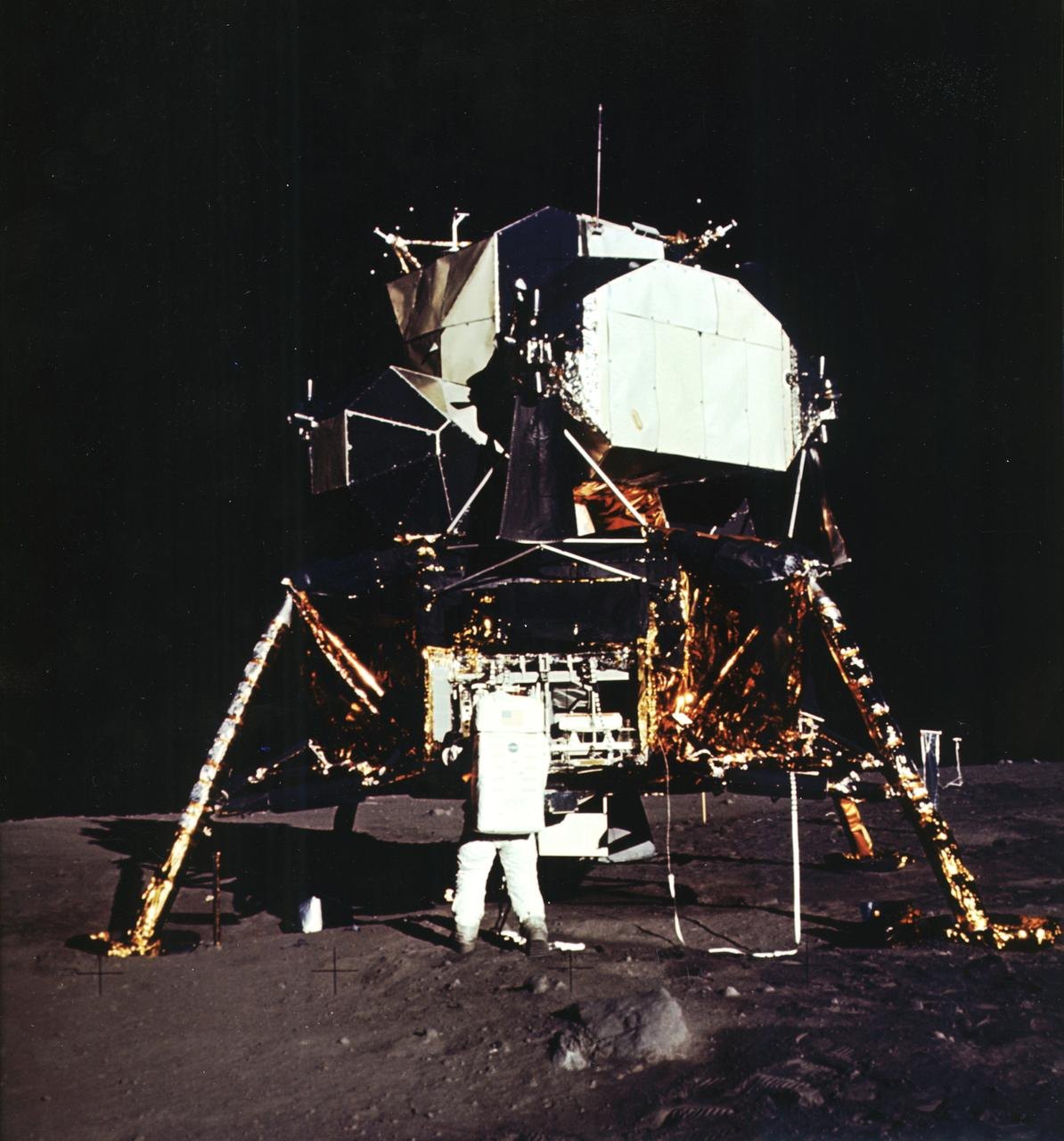
The Moon landing hoax
Six landings. One stubborn allegation.
 UnsupportedDOSSIER 003
Hollow Earth
An entire world beneath our feet.
 UnsupportedDOSSIER 004
Chemtrails
White lines. A sky full of suspicion.