DOSSIER 043 / DIGITAL FOLKLORE
The Mandela Effect
The memory is real. The remembered event may not be.
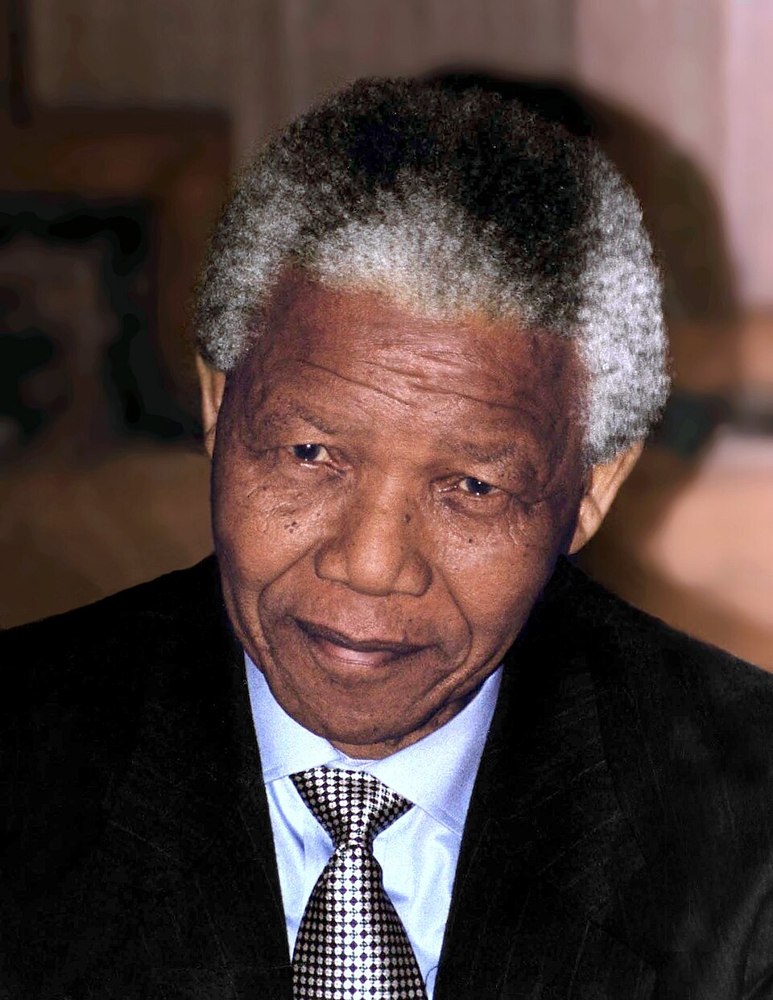
You can picture the missing detail. Other people picture it too. Then the surviving image refuses to cooperate. The disturbing part of the Mandela effect is the confidence of the memory, not merely the mistake.
01 / A private recollection becomes a shared puzzle
The name refers to reports of remembering a history at odds with the record, including a supposed earlier death of Nelson Mandela. The visual form concerns familiar logos and characters remembered with features they do not contain. The Monopoly character’s supposed monocle is a prominent example. Agreement among strangers makes an ordinary memory error feel like something with a public origin.
02 / Researchers asked people to choose and draw
Deepasri Prasad and Wilma Bainbridge tested memory for visual icons, finding shared and specific errors rather than only random mistakes. Participants could confidently choose an incorrect version. The study matters because it takes the phenomenon seriously as an observation to explain. It does not assume that a memory is accurate simply because many people share it.
03 / The alternate-reality interpretation
Some believers propose merged timelines, altered history, or movement between realities. Their strongest experiential point is that the false recollection can feel as vivid as a correct one. Bainbridge’s interview discusses such interpretations while explaining memory research. The experience of certainty is part of the evidence about memory; it is not an independent measurement of a changed external world.
04 / Why the memory explanation remains useful
Memory is reconstructive, and similar expectations can produce similar errors. The researchers’ findings also caution against assuming that one simple explanation accounts for every icon. That leaves a legitimate scientific question about why particular wrong details recur. A changed-reality hypothesis would need independently recoverable predictions or records that ordinary memory processes cannot explain. Until then, the repeated mistake is a phenomenon to study, rather than proof that history was rewritten.
The allegation, in brief
Shared mistaken memories are interpreted as evidence that timelines were altered or people moved between universes.
Where the archive stands
University of Chicago research documents consistent shared memory errors. That finding supports a psychological phenomenon, not a demonstrated alteration of reality.
Confidence is a property of the witness. Accuracy is a property of the account.
ARCHIVIST’S NOTE / EXPANDED RESEARCH: 02 OCT 2026
THE SHELF BEHIND THE FILE
For further reading
Memory research supplies context for shared recollections; neither book establishes alternate timelines.
As an Amazon Associate I earn from qualifying purchases. Purchases through these links may earn this archive a commission.
- THE WATCHER’S
FAVORITE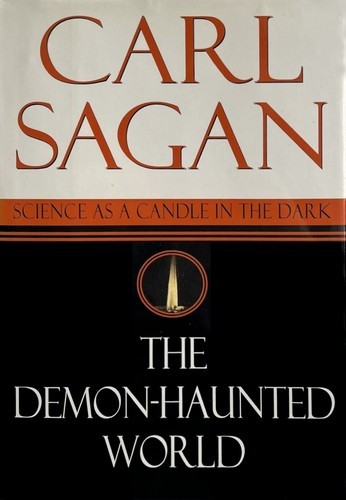 01 / Science / critical thinking
The Demon-Haunted World
A working kit for examining extraordinary claims without losing your sense of wonder.
View book on AmazonBook & source detailsWhy this pick?
Los Angeles Times Book Prize winner; favorable reviews from the Los Angeles Times and Washington Post, documented by the publisher.
The stamp is an editorial recommendation informed by published reviews, source quality, and relevance. It is not a claim about the highest Amazon customer rating. Selection source.
 02 / Cognitive psychology
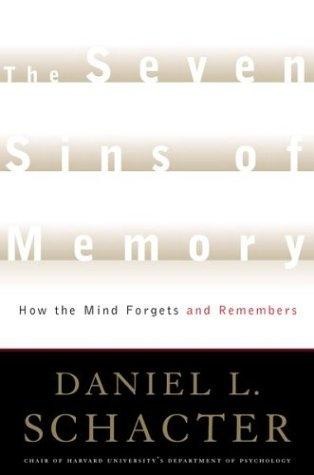
The Seven Sins of Memory
Why a vivid memory can still be mistaken.
View book on AmazonBook & source details
A place on this shelf is not a verdict on every claim inside. Selection checked 2 October 2026. Cover artwork belongs to its respective rights holders; cover sources & editions. Covers identify a selected edition; Amazon lists current editions, availability, and prices.
A QUESTION LEFT IN THE MARGIN / EDITORIAL PROMPT
Bring one source.
Choose a shared memory error. What original record would check it, and what would a competing timeline explanation predict?
A useful first note: the source, what it establishes, and what it leaves open.
FOLLOW ANOTHER THREAD
Adjacent files
 UnsupportedDOSSIER 040
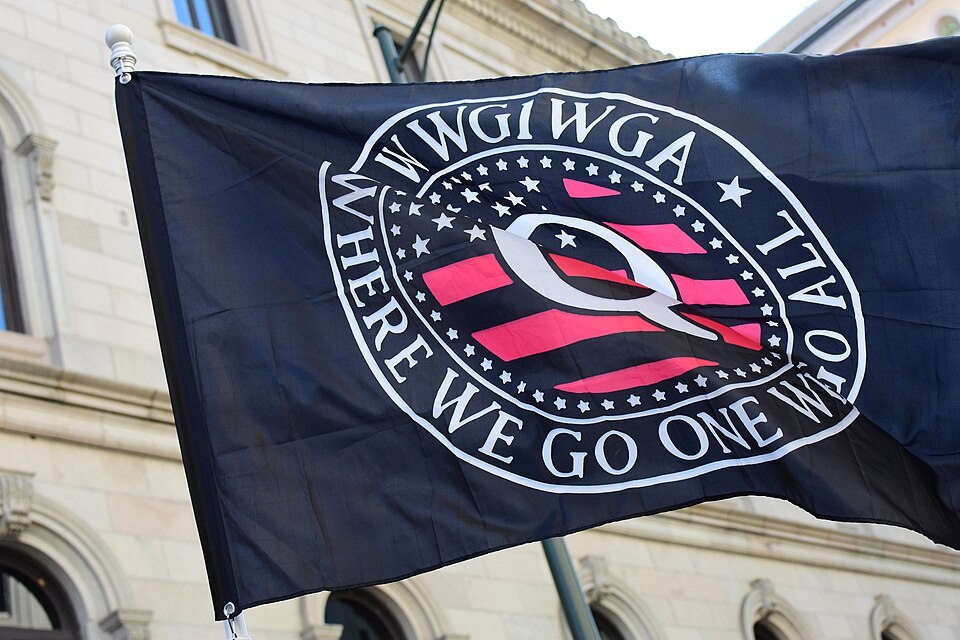
QAnon
Anonymous posts became a promise of revelation.
 RefutedDOSSIER 041
Pizzagate
An online fiction walked into a real restaurant.
 UnsupportedDOSSIER 042
The Satanic Panic
The old monster moved into the suburbs.