DOSSIER 045 / DIGITAL FOLKLORE
The Dead Internet Theory
The crowd keeps talking. Is anyone still there?

The reply sounds familiar. The profile is thin. The same image turns up under another name. An internet full of automation can make a person wonder whether anyone is still on the other side of the conversation.
01 / A feeling of emptiness meets real automation
Dead Internet Theory describes online life as dominated by bots, generated content, and managed interactions. The research survey linked here discusses those concerns and the incentives of engagement-based platforms. It is not a census proving the disappearance of human users. Its most defensible subject is the growing difficulty of determining which interactions were initiated by people.
02 / The measurements that people cite
Imperva’s 2025 report classified 51 percent of traffic in its measured 2024 sample as automated. That is a vendor’s traffic analysis, including machine requests; it is not a claim that 51 percent of accounts or conversations everywhere are fake. Search crawlers and other useful automation belong in such measurements alongside malicious activity. A website request, a user, and a meaningful conversation are different units.
03 / The believers’ broader allegation
Believers read repetitive posts and improbable engagement as signs of coordinated manufacture, sometimes extending the claim to a centralized replacement of public discussion. Their strongest evidence concerns specific bot networks or generated material that can be investigated. Their weakest move is treating a suspicious encounter as a representative sample of the entire internet. An automated feed can be pervasive without every person in it being fictitious.
04 / What a useful investigation would count
Trace an account’s behavior, provenance, and coordination with other accounts; distinguish automated assistance from wholly synthetic identity. Report how a sample was collected before generalizing its results. The theory contains a real technological and economic problem, but its totalizing version needs a scale and a directing actor that anecdotes do not establish. The feeling of alienation deserves explanation without becoming a statistical claim by itself.
The allegation, in brief
Bots and generated content supposedly replaced most human online activity through a coordinated hidden takeover.
Where the archive stands
Automation and synthetic content are real. A research preprint surveys the theory and artificial interactions, but does not establish the sweeping secret-takeover narrative or a universal proportion of non-human traffic.
Measure a platform, a time period, and a type of activity. “The internet” is too large for an anecdote.
ARCHIVIST’S NOTE / EXPANDED RESEARCH: 02 OCT 2026
THE SHELF BEHIND THE FILE
For further reading
Platform manipulation and evidence-reading tools; these books do not establish that most internet users are bots.
As an Amazon Associate I earn from qualifying purchases. Purchases through these links may earn this archive a commission.
- THE WATCHER’S
FAVORITE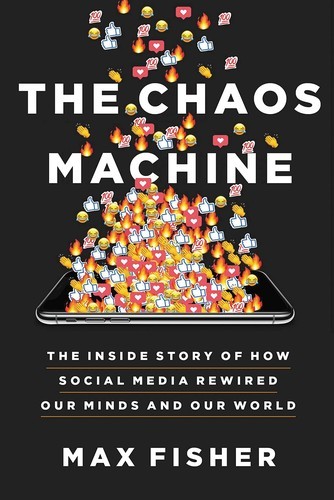 01 / Investigative journalism
The Chaos Machine
The platforms, incentives, and algorithms that help rumors travel.
View book on AmazonBook & source detailsWhy this pick?
Booklist starred review and favorable New York Times Book Review reception, documented by the publisher.
The stamp is an editorial recommendation informed by published reviews, source quality, and relevance. It is not a claim about the highest Amazon customer rating. Selection source.
 02 / Science / critical thinking
The Demon-Haunted World
A working kit for examining extraordinary claims without losing your sense of wonder.
View book on AmazonBook & source details
A place on this shelf is not a verdict on every claim inside. Selection checked 2 October 2026. Cover artwork belongs to its respective rights holders; cover sources & editions. Covers identify a selected edition; Amazon lists current editions, availability, and prices.
A QUESTION LEFT IN THE MARGIN / EDITORIAL PROMPT
Bring one source.
Which claims about bots can be measured, and which jump from visible automation to the disappearance of real people?
A useful first note: the source, what it establishes, and what it leaves open.
FOLLOW ANOTHER THREAD
Adjacent files
 UnsupportedDOSSIER 040
QAnon
Anonymous posts became a promise of revelation.
 RefutedDOSSIER 041
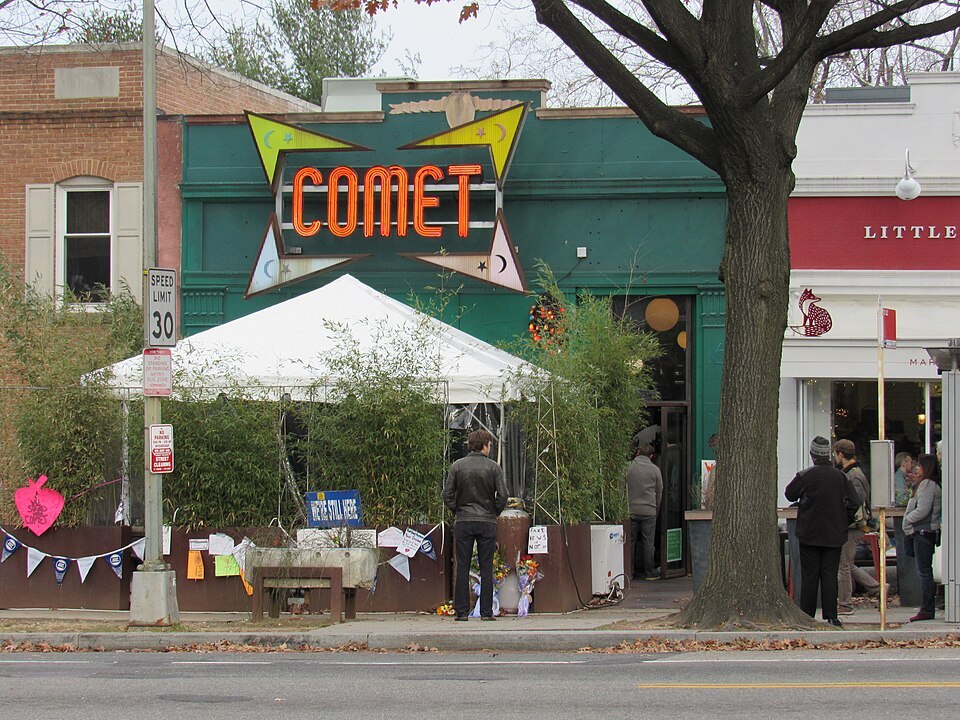
Pizzagate
An online fiction walked into a real restaurant.
 UnsupportedDOSSIER 042
The Satanic Panic
The old monster moved into the suburbs.