DOSSIER 046 / DIGITAL FOLKLORE
Paul is dead
An album cover becomes a crime scene.
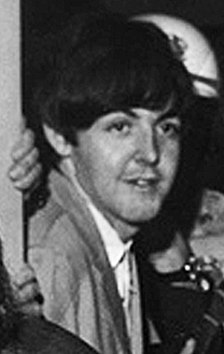
An album sleeve becomes a funeral procession. A lyric becomes a message. By autumn 1969, Paul McCartney’s retreat from publicity had become, for some listeners, evidence that the man himself had disappeared.
01 / The clues collect around a missing celebrity
The Paul-is-dead story claimed that McCartney had died and been replaced, with the Beatles leaving coded hints in their records and artwork. The October 1969 BBC interview preserved by the Paul McCartney Project belongs to the moment when journalists sought an answer from his Scottish farm. The archive page supplies its recording and broadcast dates, allowing the response to be placed beside the rumor’s growth.
02 / The subject answers in his own voice
McCartney told interviewer Chris Drake that he was alive in Scotland and described wanting less time in the limelight. That is direct testimony from the person said to be dead, preserved here through a specialist historical archive rather than the BBC’s original hosting. Its provenance should be visible. A replacement theory can always reject the speaker’s identity, but doing so makes authentication, not silence, the question.
03 / Why the album evidence felt deliberate
Believers combine differences in appearance, symbolic details, and sounds interpreted when recordings are played unusually. The accumulation can seem stronger than any individual clue. Yet the clues are selected from a large catalogue of creative material, with no agreed limit on what counts. If every odd detail is available for interpretation, an investigator can build a pattern around many different premises.
04 / The replacement claim needs more than resemblance
A critic asks for an independently established death, a verified replacement, and a reliable chain connecting those events to the band’s conduct. The interview challenges the idea that absence from publicity was itself evidence of death. The theory’s resistance to any public appearance is its deeper difficulty: the evidence that would ordinarily refute the rumor is reclassified as proof of a successful impersonation. That makes a satisfying puzzle, but a poor test.
The allegation, in brief
Paul McCartney supposedly died and was replaced, while the Beatles planted clues in photographs and recordings.
Where the archive stands
McCartney publicly addressed the rumor in a 1969 BBC interview. The clue-hunting narrative rests on interpreting art as coded testimony rather than establishing a death and replacement.
A backward lyric will say almost anything to an ear already waiting for it.
ARCHIVIST’S NOTE / EXPANDED RESEARCH: 02 OCT 2026
THE SHELF BEHIND THE FILE
For further reading
Background on rumor and evidence. The direct Beatles chronology is in the paper trail.
As an Amazon Associate I earn from qualifying purchases. Purchases through these links may earn this archive a commission.
- THE WATCHER’S
FAVORITE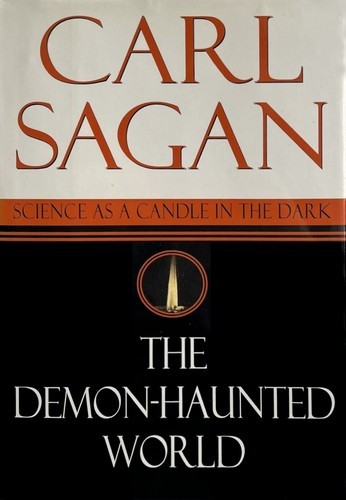 01 / Science / critical thinking
The Demon-Haunted World
A working kit for examining extraordinary claims without losing your sense of wonder.
View book on AmazonBook & source detailsWhy this pick?
Los Angeles Times Book Prize winner; favorable reviews from the Los Angeles Times and Washington Post, documented by the publisher.
The stamp is an editorial recommendation informed by published reviews, source quality, and relevance. It is not a claim about the highest Amazon customer rating. Selection source.
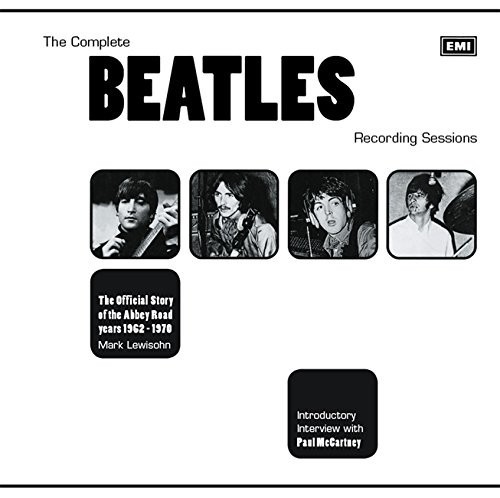 02 / Music history / reference
The Complete Beatles Recording Sessions
A studio chronology to put beside claims about hidden messages and replaced musicians.
Find editions on AmazonBook & source details
A place on this shelf is not a verdict on every claim inside. Selection checked 2 October 2026. Cover artwork belongs to its respective rights holders; cover sources & editions. Covers identify a selected edition; Amazon lists current editions, availability, and prices.
A QUESTION LEFT IN THE MARGIN / EDITORIAL PROMPT
Bring one source.
Which alleged clue depends on interpreting a recording or photograph? What ordinary explanation should be tested first?
A useful first note: the source, what it establishes, and what it leaves open.
FOLLOW ANOTHER THREAD
Adjacent files
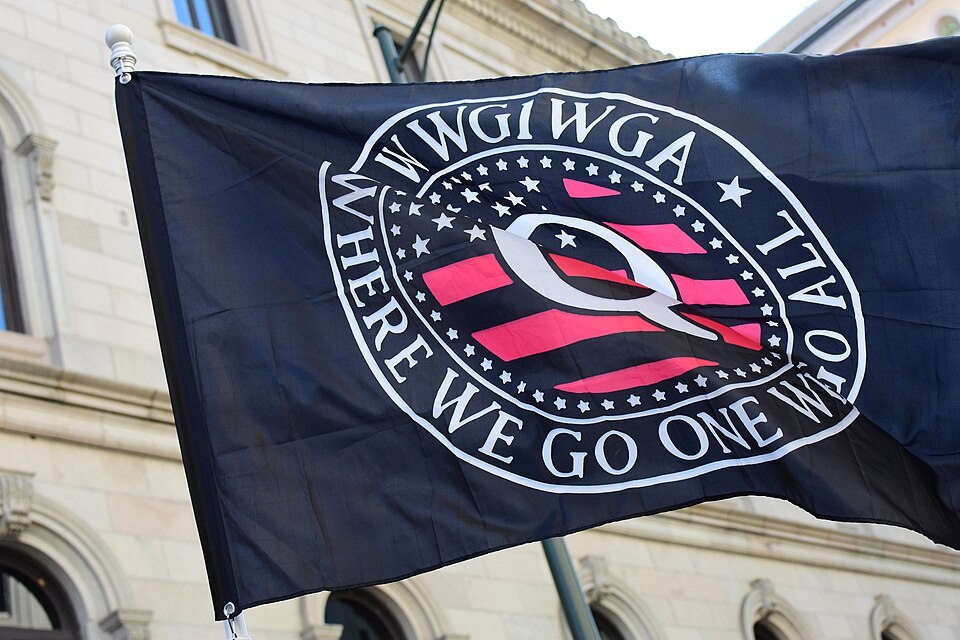 UnsupportedDOSSIER 040
QAnon
Anonymous posts became a promise of revelation.
 RefutedDOSSIER 041
Pizzagate
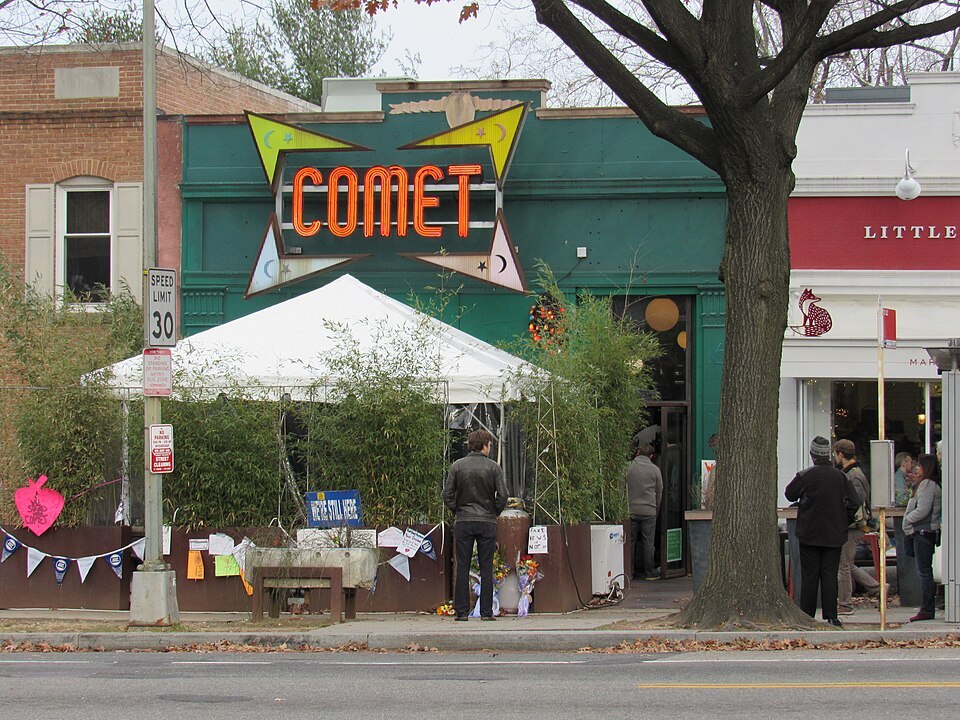
An online fiction walked into a real restaurant.
 UnsupportedDOSSIER 042
The Satanic Panic
The old monster moved into the suburbs.