DOSSIER 041 / DIGITAL FOLKLORE
Pizzagate
An online fiction walked into a real restaurant.
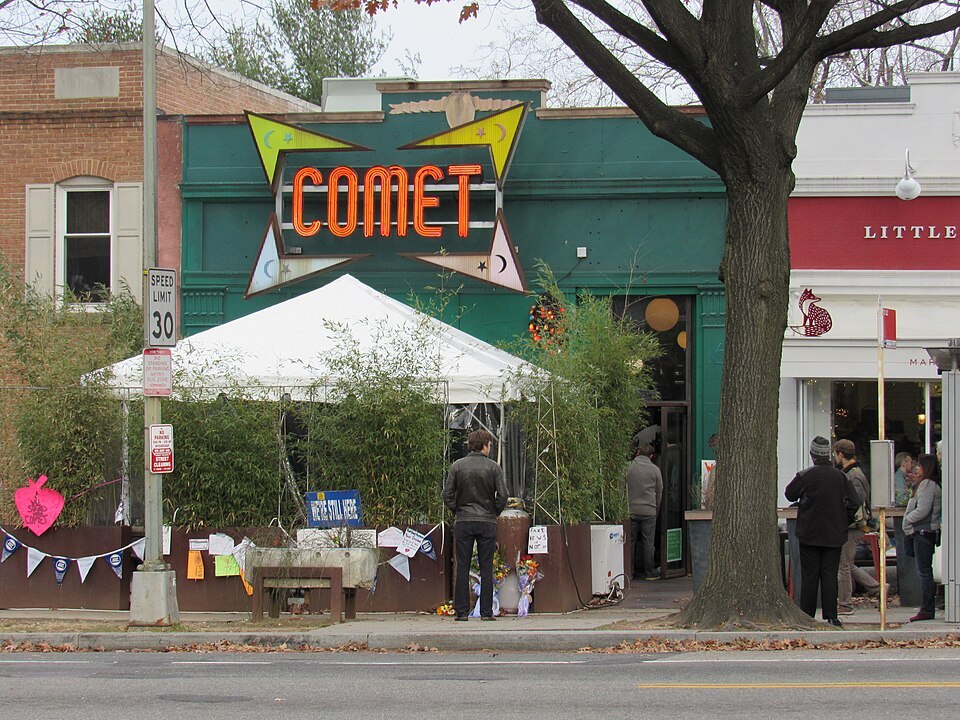
A restaurant became the address of an invented rescue mission. The people inside were real; the alleged trafficking operation was not established. One man arrived with weapons because he had decided an internet interpretation required action.
01 / The rumor becomes an armed intrusion
On 4 December 2016, Edgar Maddison Welch entered Comet Ping Pong in Washington with firearms and fired a rifle into a door. Employees and customers fled. His March 2017 guilty plea admitted offenses arising from the incident. The Justice Department’s account supplies a concrete chronology of the harm caused by the allegation, instead of asking readers to treat the episode as an online puzzle.
02 / What the would-be investigator found
The plea account describes Welch’s plan to investigate claims about child trafficking. His actions did not uncover the operation imagined online. Customers and staff witnessed an armed man entering their workplace, not the supposed hidden crimes. That difference is the central firsthand distinction: the event that can be documented is the assault produced by the rumor.
03 / How believers transformed ordinary material
The narrative depended on reading messages, names, and imagery as coded references to crimes. A chain of associations gave readers the feeling that many clues converged on one explanation. But an interpretation of a phrase is not a victim’s account, a verified transaction, or physical evidence. Once ambiguous material is assumed to be code, almost anything can be recruited into the same accusation.
04 / The objection is evidentiary, not indifference to abuse
Actual child exploitation demands serious investigation. That obligation makes false identifications more consequential, not more acceptable. This file does not repeat accusations against individuals as though a viral inference established them. It follows the documented plea and the rumor’s cultural context. The absence of corroborated evidence cannot be turned into proof that a perpetrator hid it well; that reasoning would leave any accused person unable to answer.
The allegation, in brief
An alleged coded-message trail falsely linked a Washington restaurant to a political child-abuse ring.
Where the archive stands
The allegation was baseless. Smithsonian places Pizzagate within the narrative lineage preceding QAnon. The archive records the false accusation without presenting accused people as suspects.
False accusations do not become evidence by being repeated with greater conviction.
ARCHIVIST’S NOTE / EXPANDED RESEARCH: 02 OCT 2026
THE SHELF BEHIND THE FILE
For further reading
Take the longer trail. These are the books we would keep beside this file.
As an Amazon Associate I earn from qualifying purchases. Purchases through these links may earn this archive a commission.
- THE WATCHER’S
FAVORITE 01 / Investigative journalism
The Chaos Machine
The platforms, incentives, and algorithms that help rumors travel.
View book on AmazonBook & source detailsWhy this pick?
Booklist starred review and favorable New York Times Book Review reception, documented by the publisher.
The stamp is an editorial recommendation informed by published reviews, source quality, and relevance. It is not a claim about the highest Amazon customer rating. Selection source.
 02 / Investigative journalism
Trust the Plan
Reporting on QAnon’s believers, promoters, and consequences.
Find editions on AmazonBook & source details
A place on this shelf is not a verdict on every claim inside. Selection checked 2 October 2026. Cover artwork belongs to its respective rights holders; cover sources & editions. Covers identify a selected edition; Amazon lists current editions, availability, and prices.
A QUESTION LEFT IN THE MARGIN / EDITORIAL PROMPT
Bring one source.
How did an interpretation become an accusation? Which verification step could have interrupted that progression?
A useful first note: the source, what it establishes, and what it leaves open.
FOLLOW ANOTHER THREAD
Adjacent files
 UnsupportedDOSSIER 040
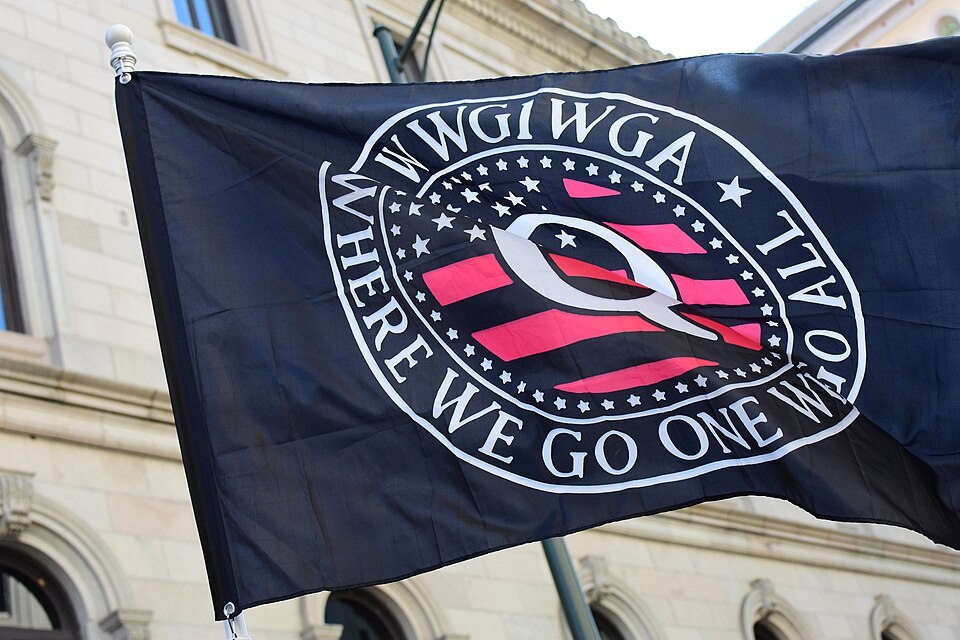
QAnon
Anonymous posts became a promise of revelation.
 UnsupportedDOSSIER 042
The Satanic Panic
The old monster moved into the suburbs.
 UnsupportedDOSSIER 043
The Mandela Effect
The memory is real. The remembered event may not be.