DOSSIER 011 / HIDDEN POWER
Freemasons and the invisible government
A closed door is an invitation to invent the room.
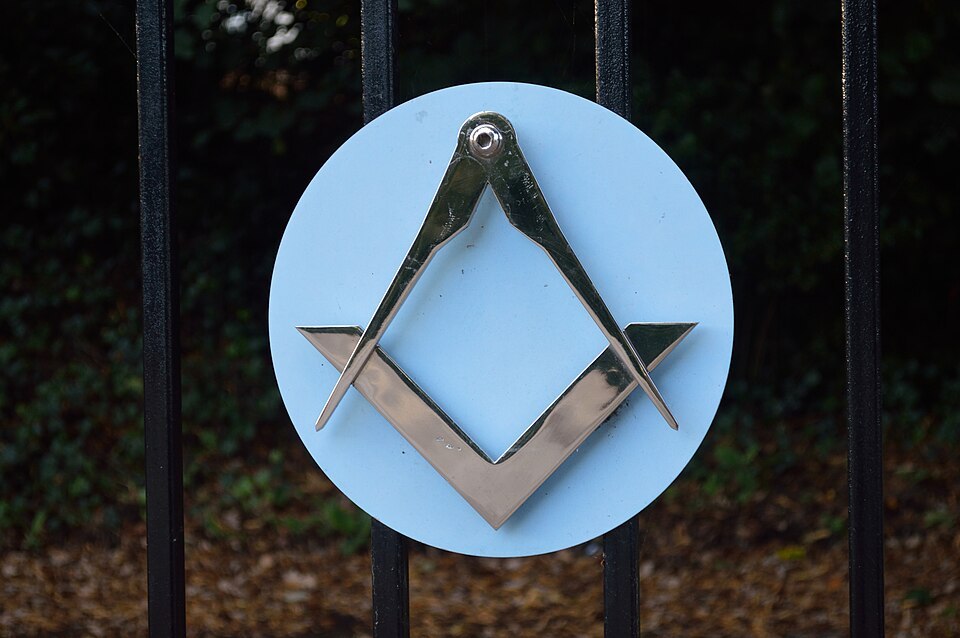
A closed door, an oath, a recognizable handshake: Freemasonry supplied the material for suspicion long before the internet gave suspicion a search bar. Its history also contains a disappearance that made secrecy a national political issue.
01 / A fraternity becomes a political target
Modern organized Freemasonry developed through lodges and grand lodges, with England’s institutional history placing an important consolidation in 1717. Members used ritual, allegory, and degrees to structure a fraternity. The United Grand Lodge of England describes a tradition of sociability and charity. That is the institution’s account of itself, and its jurisdiction should not be mistaken for a single government of every lodge worldwide.
02 / The Morgan affair in the contemporary record
William Morgan’s disappearance in 1826 gave American opponents something more tangible than a rumor about ceremonies. An 1829 newspaper preserved by the Library of Congress prints resolutions explicitly accusing a Masonic conspiracy of taking his liberty and life. It is a vivid record of contemporary accusation and political mobilization. It is not a neutral finding of every event or participant in his disappearance.
That distinction lets the reader hear the period’s anger without adopting a partisan newspaper’s certainty. An accusation printed close to an event can establish what people feared and argued; proximity alone does not settle what the author could personally know.
The court history adds the sequence behind that anger. Morgan had prepared a book exposing Masonic secrets, endured arrests, and was seized after someone paid his small debt and secured his release from jail. He struggled as men forced him into a carriage. Elihu Mather’s subsequent conspiracy trial ended in acquittal; other kidnapping convictions brought sentences opponents considered inadequate. Here the suspicion grew from an actual disappearance and contested prosecutions. Neither the crime nor those outcomes establishes a worldwide system of lodge orders.
03 / The argument about divided loyalties
Critics focus on obligations between members. If a judge, official, or businessman recognizes a fellow initiate, could the private bond outweigh a public duty? That is a serious question about conflicts of interest. Broader theories turn the possible conflict into a universal explanation: courts, revolutions, and governments are said to obey a hidden fraternity. The smaller concern is not evidence for the larger claim.
04 / The organization’s reply and its limits
The lodge’s account emphasizes moral instruction and charitable work. It deserves to be heard, while remaining an interested source. A sound investigation of favoritism would follow a particular decision, relationship, and benefit. It would not convict every member by association. Ritual privacy explains why outsiders have questions; proving covert control requires evidence of actual instructions and conduct.
The allegation, in brief
Masonic lodges are alleged to form a coordinated secret government, with rituals acting as evidence of a larger political plot.
Where the archive stands
Freemasonry is a real fraternal tradition. Its institutional history establishes lodges and rituals, not a universal hidden command structure. The organization’s account is useful for its history and should be read as an interested source.
Membership, influence, and coordinated control are three different claims.
ARCHIVIST’S NOTE / EXPANDED RESEARCH: 02 OCT 2026
THE SHELF BEHIND THE FILE
For further reading
Take the longer trail. These are the books we would keep beside this file.
As an Amazon Associate I earn from qualifying purchases. Purchases through these links may earn this archive a commission.
- THE WATCHER’S
FAVORITE 01 / Historical scholarship
Conspiracies of Conspiracies
Follow the recurring hidden-hand stories through American history.
Find editions on AmazonBook & source detailsWhy this pick?
Praised in the American Historical Review and recommended by Choice; review excerpts appear on the university press page.
The stamp is an editorial recommendation informed by published reviews, source quality, and relevance. It is not a claim about the highest Amazon customer rating. Selection source.
 02 / Historical scholarship
The Origins of Freemasonry
Scottish lodges, rituals, and the emergence of modern Freemasonry.
Find editions on AmazonBook & source details
A place on this shelf is not a verdict on every claim inside. Selection checked 2 October 2026. Cover artwork belongs to its respective rights holders; cover sources & editions. Covers identify a selected edition; Amazon lists current editions, availability, and prices.
A QUESTION LEFT IN THE MARGIN / EDITORIAL PROMPT
Bring one source.
Which source separates documented lodge history from a claim of coordinated political control?
A useful first note: the source, what it establishes, and what it leaves open.
FOLLOW ANOTHER THREAD
Adjacent files
 UnsupportedDOSSIER 010
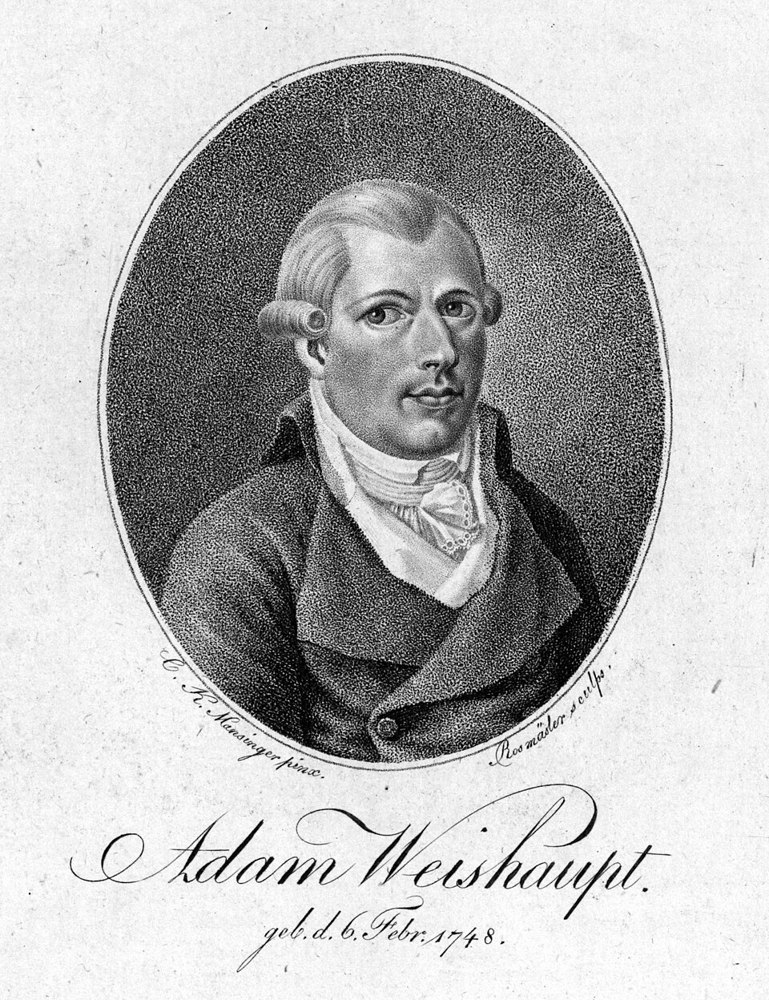
The Illuminati
The order died. The story did not.
![Collectie / Archief : Fotocollectie Anefo
Reportage / Serie : [ onbekend ]
Beschrijving : Oosterbeek Hotel "De Bilderberg" , conferentiecentrum
Datum : 30 mei 1954
Locatie : Oosterbeek
Fotograaf : Fotograaf Onbekend / Anefo
Auteursrechthebbende : Nationaal Archief
Materiaalsoort : Glasnegatief
Nummer archiefinventaris : bekijk toegang 2.24.01.09
Bestanddeelnummer : 906-4935](/assets/bilderberg.jpg) UnsupportedDOSSIER 012
UnsupportedDOSSIER 012Bilderberg
Powerful people. A meeting without a transcript.
 UnsupportedDOSSIER 013
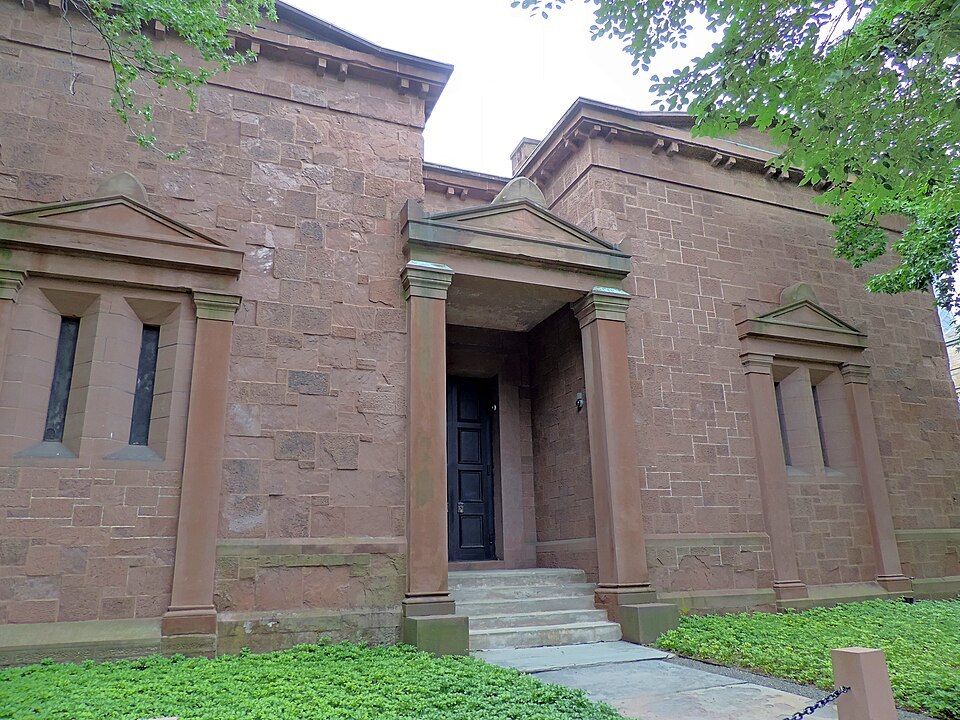
Skull and Bones
A tomb in New Haven, enlarged to fit the world.