DOSSIER 035 / MIND & MEDICINE
The vaccine-autism cover-up
A discredited claim that outlived its foundations.

For a parent, noticing a change in a child is not an abstract statistic. The MMR controversy gathered force from that intimate chronology. The research question is whether the event preceding the change was its cause.
01 / The paper and the parents behind it
A 1998 Lancet paper involving twelve children became the centerpiece of claims linking MMR vaccination and autism. It was later retracted. Brian Deer’s BMJ investigation compares the published case histories with medical records and interviews. His account found discrepancies in the histories used to build the alleged pattern, alongside undisclosed conflicts tied to litigation. The story is about how an apparent clinical signal was constructed, as well as how it was publicized.
02 / The firsthand accounts deserve their original chronology
Deer interviewed parents whose recollections did not always match the published description of their children. Those differences matter because the timing of symptoms was central to the argument. A parent’s observation can be sincere and important while the causal interpretation remains unproved. A small, selected case series cannot reliably tell investigators whether the same developmental changes occur more often among vaccinated children than an appropriate comparison group.
03 / Why believers retained the link
The proposed connection offered an identifiable event at a time when families were seeking an explanation. Distrust of pharmaceutical companies and disagreement over the retraction helped some readers retain the narrative. The theory’s strongest emotional evidence is the before-and-after account. Its scientific difficulty is separating that sequence from the age at which autism-related differences become apparent and from the many possible influences on reporting.
04 / The larger evidence beyond the original cases
WHO’s December 2025 review reaffirmed that the assembled evidence does not support a causal vaccine–autism link. Larger comparisons are needed because a memorable individual chronology cannot establish a population effect. Rejecting that alleged cause does not belittle a family’s experience or solve every question about autism. It means the particular explanation must answer to the evidence gathered beyond the original twelve children.
The allegation, in brief
Vaccines allegedly cause autism while health institutions suppress the connection.
Where the archive stands
WHO’s 2025 evidence review reaffirmed that the available research does not establish a causal relationship. A conspiracy claim cannot rescue a causal claim contradicted by the evidence.
Large, independent studies matter more than a story about why they must all be lying.
ARCHIVIST’S NOTE / EXPANDED RESEARCH: 02 OCT 2026
THE SHELF BEHIND THE FILE
For further reading
Take the longer trail. These are the books we would keep beside this file.
As an Amazon Associate I earn from qualifying purchases. Purchases through these links may earn this archive a commission.
- THE WATCHER’S
FAVORITE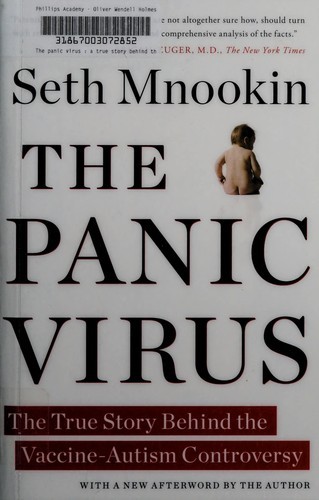 01 / Science journalism
The Panic Virus
How the vaccine-autism allegation became a public-health crisis.
Find editions on AmazonBook & source detailsWhy this pick?
A specialist investigation of the vaccine scare, with published reviews on the publisher’s page.
The stamp is an editorial recommendation informed by published reviews, source quality, and relevance. It is not a claim about the highest Amazon customer rating. Selection source.
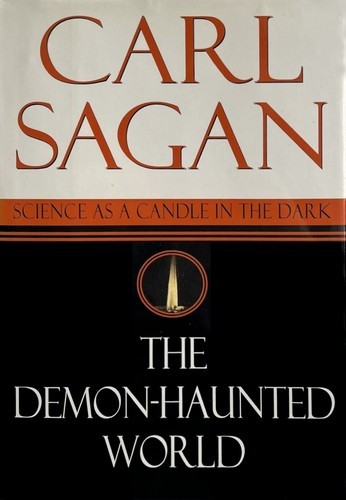 02 / Science / critical thinking
The Demon-Haunted World
A working kit for examining extraordinary claims without losing your sense of wonder.
View book on AmazonBook & source details
A place on this shelf is not a verdict on every claim inside. Selection checked 2 October 2026. Cover artwork belongs to its respective rights holders; cover sources & editions. Covers identify a selected edition; Amazon lists current editions, availability, and prices.
A QUESTION LEFT IN THE MARGIN / EDITORIAL PROMPT
Bring one source.
How did the original allegation acquire authority, and which later evidence changed its standing?
A useful first note: the source, what it establishes, and what it leaves open.
FOLLOW ANOTHER THREAD
Adjacent files
RefutedDOSSIER 032Vaccines and microchips
A tracking device imagined at the end of a needle.
RefutedDOSSIER 033Vaccines rewriting DNA
A new platform, burdened with an old fear.
RefutedDOSSIER 034Magnetic vaccination
A spoon sticks. A theory follows.